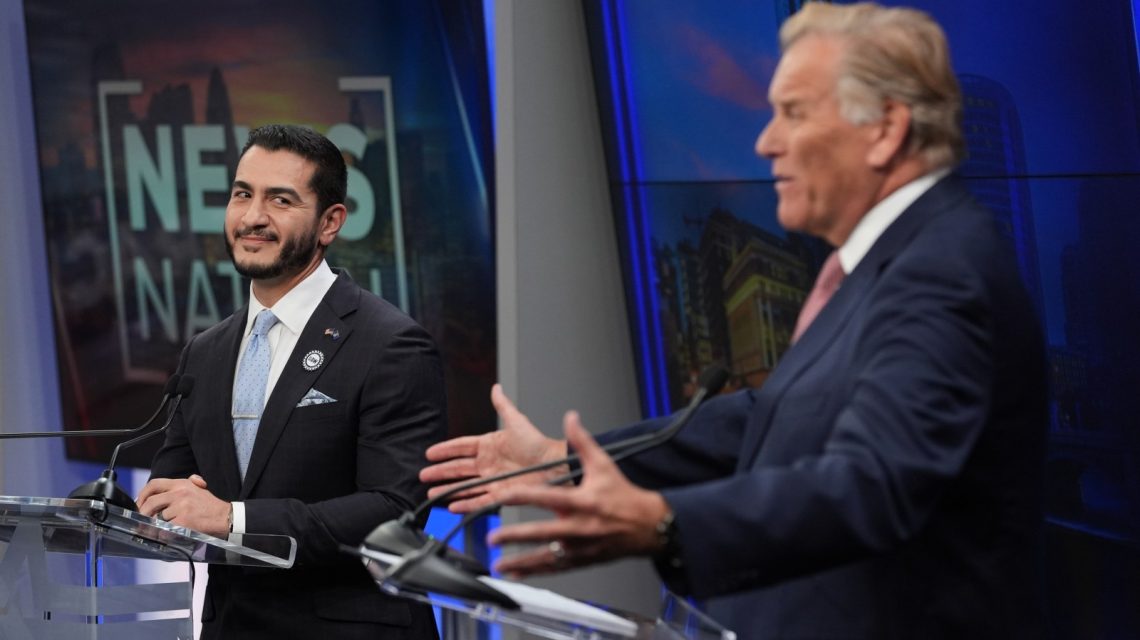
The race for a Michigan Senate seat presents a significant opportunity for Republicans as Democrats have held the seat since 1979. The contest between former Representative Mike Rogers and Democrat Abdul El-Sayed is tight, with Election Day set for November 3. The seat became available when Democratic Senator Gary Peters chose not to pursue a third term. Historically, Democrats have maintained control since Carl Levin defeated Republican Senator Robert Griffin in 1978, serving 36 years before Peters succeeded him in 2015.
A victory for Rogers would end a long losing streak for Republicans in Michigan Senate races. They have not secured a win since 1994 when Spencer Abraham won the state’s other Senate seat. Current polls show El-Sayed with a slight lead, though often within the margin of error. The Cook Political Report categorizes the contest as a Toss-Up, with strategic importance for control of the Senate in January.
In 2024, Rogers narrowly lost to now-Senator Elissa Slotkin by about 20,000 votes. He faces no primary opposition this time, and he holds President Donald Trump’s endorsement. El-Sayed, a progressive figure and former public health official, has support from independent Vermont Senator Bernie Sanders. He narrowly won the Democratic primary over Michigan Representative Haley Stevens.
Newsweek reached out to both campaigns for comment.
Recent polling data shows El-Sayed leading. An InsiderAdvantage survey of likely voters (conducted October 9-10) placed El-Sayed at 48% and Rogers at 46%, with 5% undecided. Other polls from Wedgewood Polls, Quantus Insights, YouGov, Mitchell Research & Communications, and Rust Belt Rising have shown similar competitive results, often within or slightly beyond the margin of error.
Historically, Michigan flips between parties at the presidential level but has leaned Democratic in Senate races for decades. Rogers nearly ended that trend against Slotkin in 2024. Recognizing his potential, national Republicans, including Senate Majority Leader John Thune and Trump, backed Rogers early.
The Democratic primary left some division within the party. Stevens had establishment backing, but El-Sayed won, despite concerns from some Jewish community members over his past comments about Israel. Republicans have criticized El-Sayed’s candidacy, attacking him with ads focusing on his background and political positions.
Rogers has distanced himself from the White House on some issues, criticizing Trump’s tariffs and calling for a swift end to the ongoing war with Iran. El-Sayed continues to link Rogers to Trump, focusing on policy areas like housing and trade impacts on Michigan’s economy.
In their first debate on October 8, both candidates exchanged personal attacks. Rogers stood by his positions on international matters, while El-Sayed received questions regarding his views on Israel and ties to controversial figures.
El-Sayed has been outspent almost 2-to-1 in advertising, making up for it with an active campaign schedule. Democratic leaders, including Governor Whitmer and Representative Ocasio-Cortez, have started showing their support for El-Sayed, with former President Obama expected to join shortly. A second debate is anticipated before the month’s end.
The Michigan Senate race bears great significance in the 2026 midterms. Republicans currently hold a slim majority in the Senate. Democrats would need to win back four seats to take control. Michigan is a crucial state for Democrats, where a loss would complicate their path to a majority. Absentee voting is already underway, with in-person voting opening on October 24.
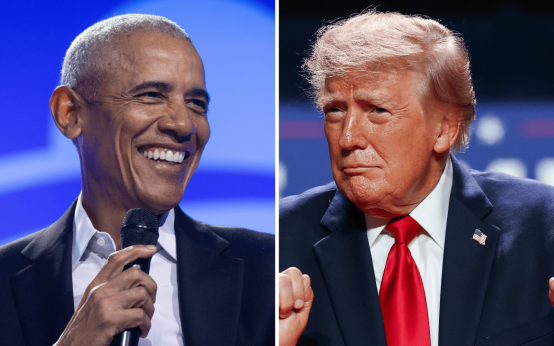 Obama’s Campaign Strategy and Trump’s Nationwide Rallies Before Midterms
 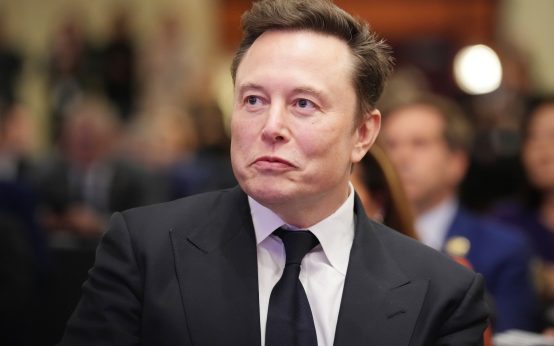 Elon Musk’s Political Contributions and Their Impact on Upcoming Elections
 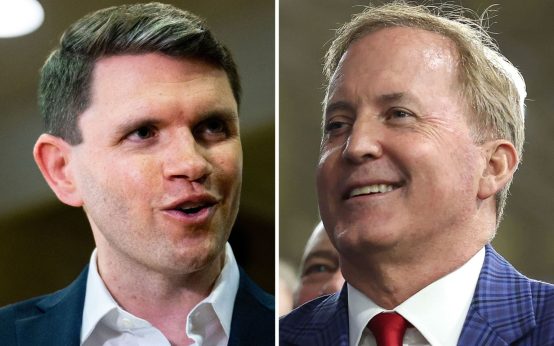 James Talarico’s Campaign Launches TV Ads Targeting Biden and Paxton
  President Trump Considers Firing Ambassador Kimberly Guilfoyle
  Georgia Gubernatorial Debate and Election Dynamics
  Katie Zacharia Begins Her Role as New White House Press Secretary