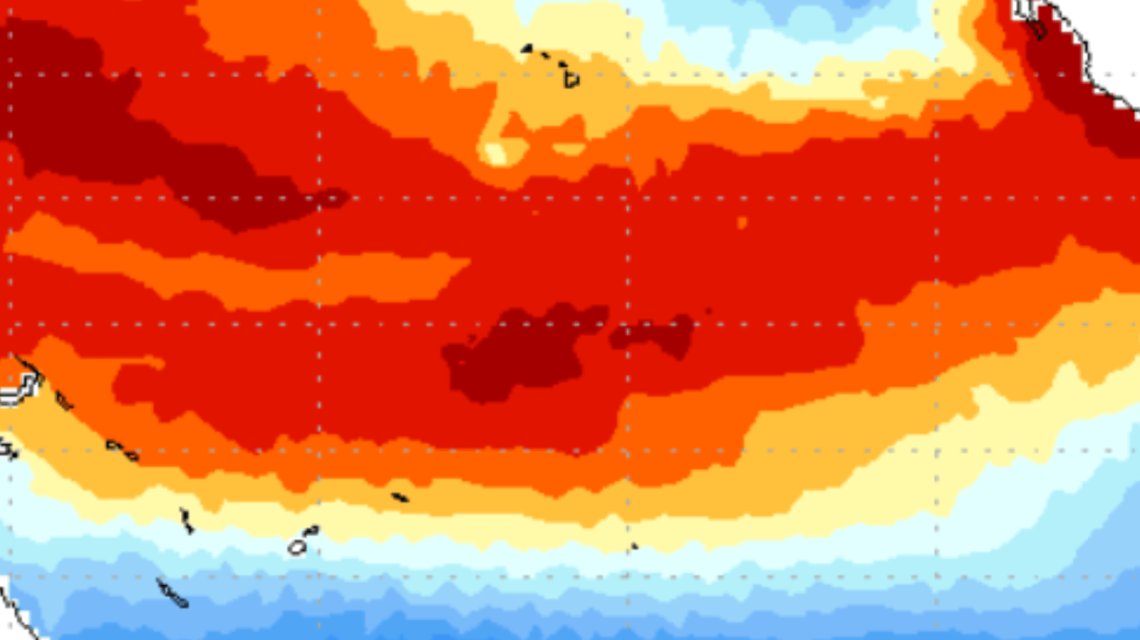
Temperatures in a critical area of the Pacific Ocean hit a new high last month, as this year’s El Niño intensifies further. The European Union’s Copernicus Climate Change Service has flagged this significant increase, noting that the temperature in the Pacific zone reached 29.70 degrees Celsius. This sea surface temperature marks a new record for El Niño, surpassing previous strong events from 1982-83, 1997-98, and 2015-16.
Copernicus director Carlo Buontempo expressed the exceptional nature of this year’s El Niño but cautioned against declaring it the strongest ever observed prematurely. Regarding global temperatures, he remarked on trends observed in past patterns, suggesting the possibility of record-breaking temperatures in 2026, followed by 2027. Betting odds platform Polymarket estimates an 80 percent likelihood of the 2026-27 El Niño being the most powerful to date.
Weather forecasters have been alerting the world to the possibility of this year’s El Niño being among the strongest on record, with the latest temperature measurements occurring prior to the expected peak.
What Is El Niño?
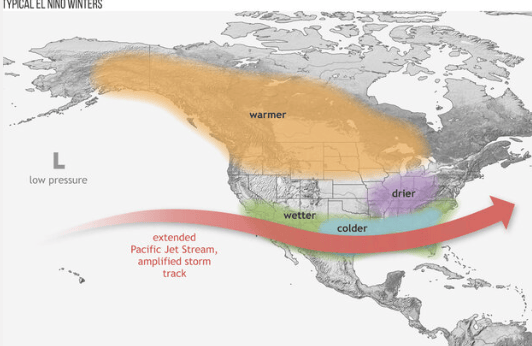
El Niño is a recurring climate phenomenon involving warmer Pacific waters, impacting temperatures and rainfall globally. In the U.S., El Niño can bring stormier conditions to southern areas, drier spells in northern regions, and changes in hurricane patterns. Federal forecasters have consistently indicated the potential strength of this El Niño, likening it to occurrences since 1950. The National Weather Service’s Climate Prediction Center emphasized last week that this El Niño’s magnitude enhances the chance of significant impacts.
This Year’s Pacific Temperature Record
Copernicus reports temperatures in the Pacific’s 3.4 region as being 2.99 degrees Celsius above the September average for 1991–2020. This surpasses the previous record from December 1997, measuring 2.81 degrees Celsius above average. The WMO anticipates further rise in temperatures as the event is yet to peak, likely in December. Even with a December peak, there’s over an 83 percent probability of a “strong-to-very strong” El Niño extending into early 2027, according to the National Weather Service’s Climate Prediction Center.
“El Niño releases stored heat into the atmosphere, contributing to higher global temperatures. It doesn’t introduce new heat. Rather, it releases stored oceanic heat, often turning these events into some of the hottest years recorded, like 2024,” explained Celeste Saulo at the Global Heat Forum in Bangkok.
WMO analysis reveals the Pacific’s 3.4 region has seen rapid temperature increases this year, climbing from 1.6 degrees Celsius above normal in June to 2.5 degrees above normal in August. The WMO projects El Niño will likely elevate temperatures globally and alter rainfall patterns, raising drought and flood risks across regions.
 Arizona Voters Prioritize Water Concerns in Upcoming Midterms
  Trump Announces Energy Ceasefire Between Russia and Ukraine
  Record Loggerhead Sea Turtle Nesting on Georgia Beaches
 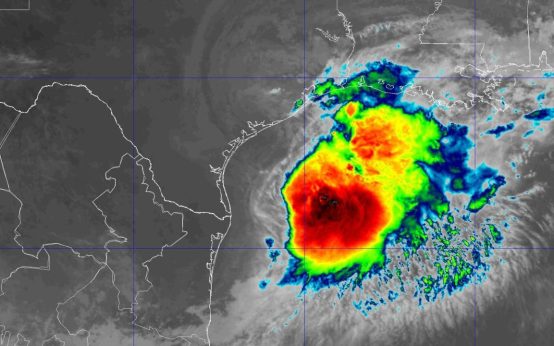 2026 Atlantic Hurricane Season Overview
  Winter Heating Costs: EIA’s 2026 Forecast
 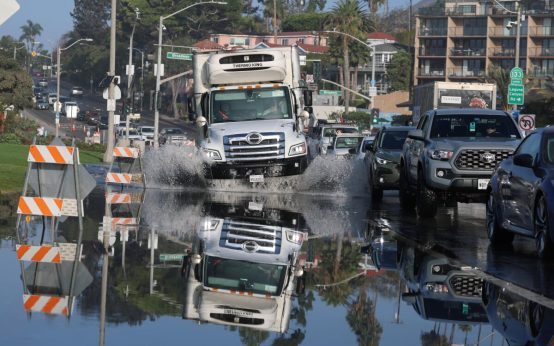 Tropical Storm Rachel Approaches West Coast with Potential Hazards