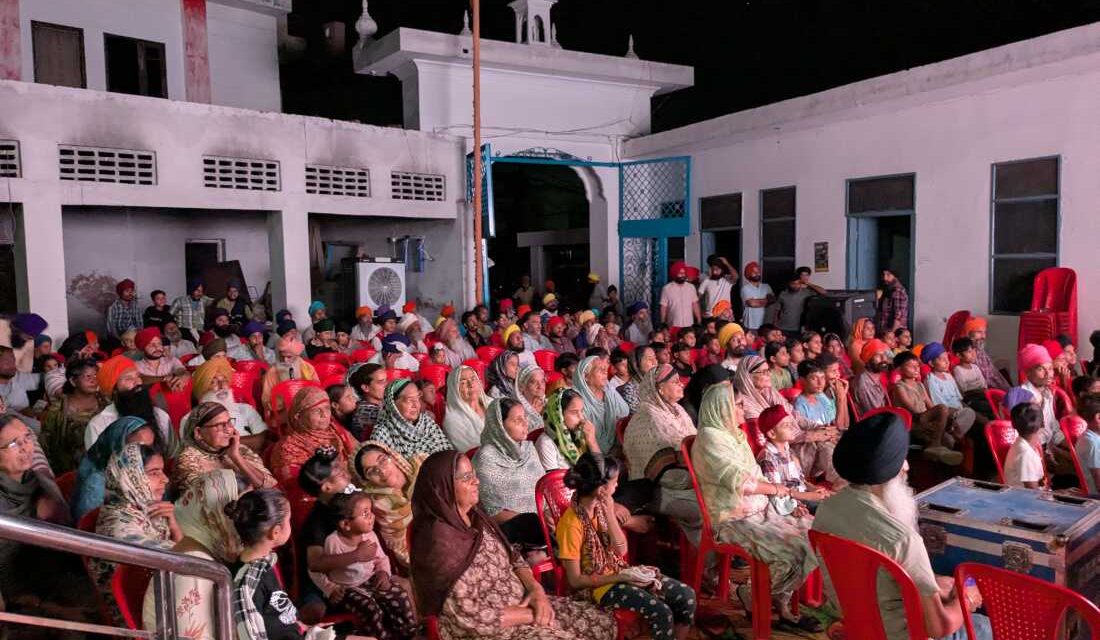
In early July, Bandala village in Punjab witnessed an unusual event. Hundreds gathered to watch Satluj, a film barred by the Indian government citing ‘national security’. On a humid monsoon evening, villagers finished tending crops before heading to the Sikh temple. There, they settled in with women at the front and men at the back, served juice in plastic cups, and kids lingered in the excitement of a late night.
The film, which didn’t receive a release certificate from censors, was pulled from streaming immediately after its debut. Despite this, the village displayed promotional posters prominently. Satluj delves into Sikh history and identity, vital to over 20 million Sikhs in India, primarily in Punjab. The film recounted the story of Jaswant Singh Khalra, an activist killed for exposing extrajudicial killings by security forces. This followed the violent separatist movement post-1984, after the Indian army attacked the Golden Temple.
Though the government often blocks controversial films, the response to Satluj differed. Sikh leaders across Punjab urged communities to view it. In Amritsar, protests erupted opposing the ban, and public screenings multiplied. Communities shared bootleg copies via WhatsApp and YouTube, challenging state restrictions. Sociologist Sanjay Srivastava noted the film resonates with unresolved issues among Sikhs.
“It does reflect a genuine feeling on the ground that the issues covered in the film have not been entirely resolved,” says Srivastava.
The ’90s setting of Satluj follows the Sikh separatist movement’s escalation. Thousands perished, and many Sikhs fled abroad. Lawyer Sarabjit Singh Verka described the desperation of authorities to quell violence, often ending in unlawful killings by police under a ‘bullet for bullet’ policy. Some officers abused power through extortion, staging false encounters, and destroying evidence. Khalra documented such acts, revealing 2,000 unlawful killings in Amritsar alone.
Though claims of up to 25,000 deaths statewide were seen as exaggerated, advocates like Verka argue for government accountability, yet no truth commission emerged. After Khalra’s disappearance in 1995, justice only partially prevailed with convictions of involved police officers a decade later.
The central authorities’ refusal to acknowledge past abuses remains. Actions against external Sikh separatists, compounded by overseas agitation, see the narrative portrayed in Satluj as a security threat. Film journalist Anna Vetticad suggests the ban reveals the Hindi nationalist government’s view of cinema as a significant influence.
“This government clearly considers cinema as a way of influencing mindsets, as a means of propaganda,” she states.
For viewers in villages like Bandala, the screenings were acts of remembrance. Ranjit Singh Babbar attended, carrying a photo of his father, abducted and killed by police in the ’90s. Despite attempts to pay ransom, Babbar’s father never returned. Khalra’s advocacy symbolizes hope, the film’s ban communicates suppression. Such actions leave a lasting feeling among Sikhs of unequal citizenship in their country.
 Brazil’s Presidential Election Heads to Runoff
 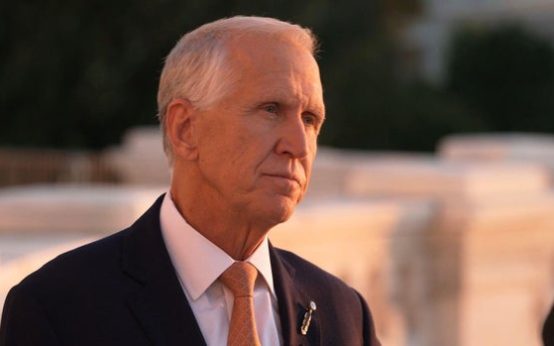 Sen. Thom Tillis Critiques Trump Administration and Reflects on Political Career
  Trump Forms Task Force to Address Artificial Intelligence
 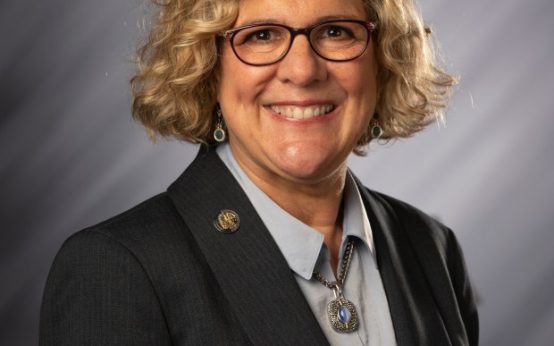 Indiana House District 19 Race: Olthoff vs. Neal
 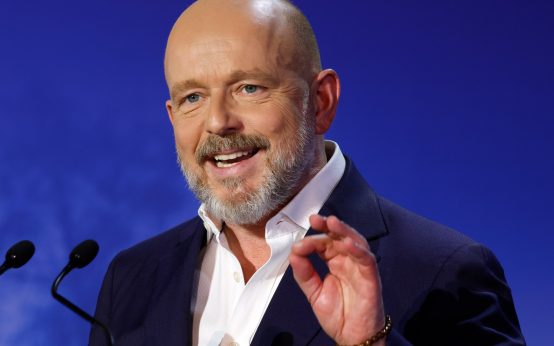 Hilton’s Campaign Ad Faces Backlash in California Governor Race
  Trump Criticizes Fox News Over Rally Coverage and Ratings Concerns