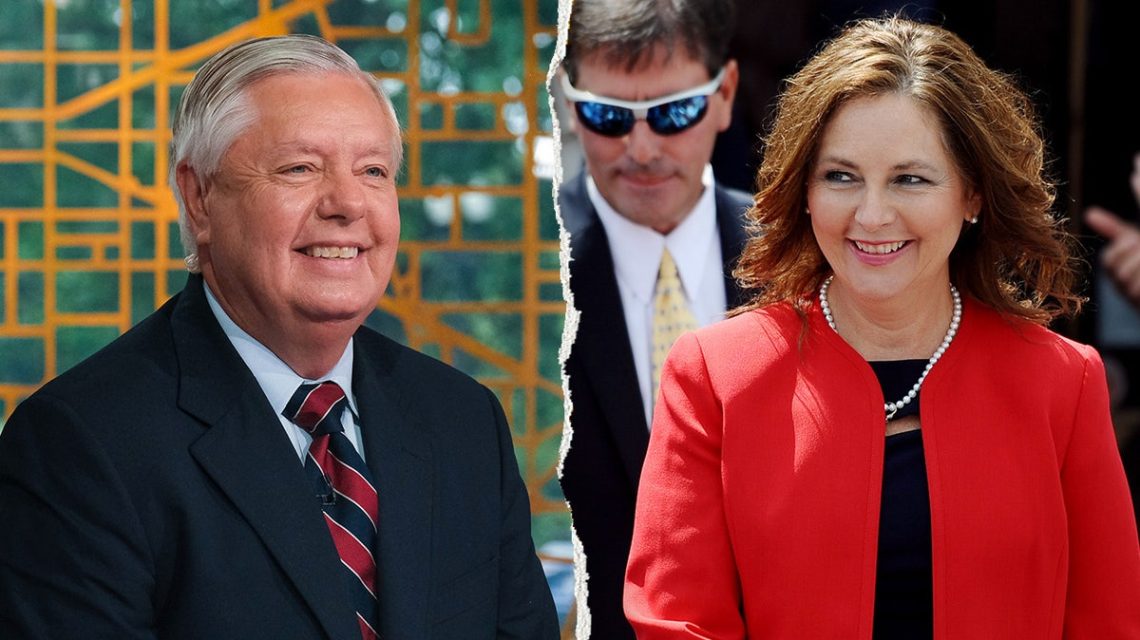
Sen. Darline Graham, sister of the late Sen. Lindsey Graham, acknowledged her limited knowledge on national security during a South Carolina GOP Senate debate. She seeks a full six-year term in the seat she inherited from her brother. Her admission came before the GOP Senate runoff against Rep. Ralph Norman, R-S.C.
A moderator questioned Graham about the importance of Taiwan and the South China Sea for U.S. national security. Graham replied that national security is not her area of expertise, but emphasized her support for the military. Her brother’s long service in the Air Force and her father’s Army background influence her commitment to military matters.
President Donald Trump endorsed Graham, encouraging her candidacy after her appointment by South Carolina Gov. Henry McMaster. Amid the debate, Ralph Norman suggested that Graham is the establishment’s preferred candidate.
The reaction to Graham’s comments on social media was swift. Nikki Haley, former U.N. ambassador and South Carolina governor, highlighted that national security knowledge is crucial for a U.S. Senator. South Carolina talk-show host Tara Servatius also critiqued Graham’s foreign policy understanding.
Following the debate, Graham remarked that South Carolinians prioritize economic concerns over international security issues. She has previously compared her approach to her brother’s, emphasizing everyday issues such as groceries, gas, and healthcare rather than global security.
Graham’s comments weren’t limited to foreign policy during the debate. She incorrectly estimated South Carolina’s population as 50 million, rather than its actual figure of approximately 5.5 million. This mistake led to criticism from Rep. Nancy Mace, R-S.C., who pointed out the discrepancy on social media.
Alec Schemmel, a Politics Reporter for Fox News Digital, provided context to the ongoing Senate race, reporting from the Washington D.C.-Baltimore Metro Area.
 Contentious Race in Pennsylvania’s 10th District Heats Up
  Trump’s Discontent Over Nobel Peace Prize Decisions
  Trump Urges Replacement of Zelensky Amid Rising Tensions
  Supporting Second Chances: The Clean Slate and Fresh Start Acts
  Judicial Watch Criticizes FBI Over Delayed Document Release in Trump Assassination Investigation
 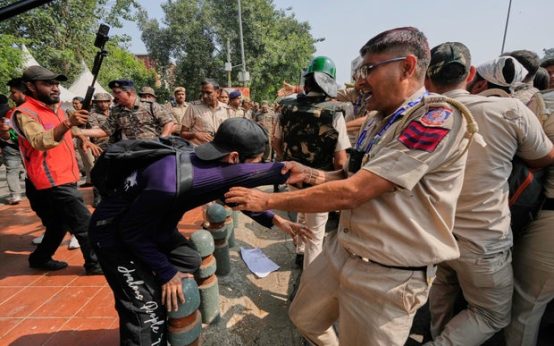 Security Crackdown in New Delhi Amid Protests Against Voter List Revision