With the autumn equinox approaching, the Old Farmer’s Almanac and the Farmers’ Almanac have issued their upcoming seasonal forecasts. These periodicals offer weather predictions, along with gardening tips and advice for skywatchers.
Fall Forecast
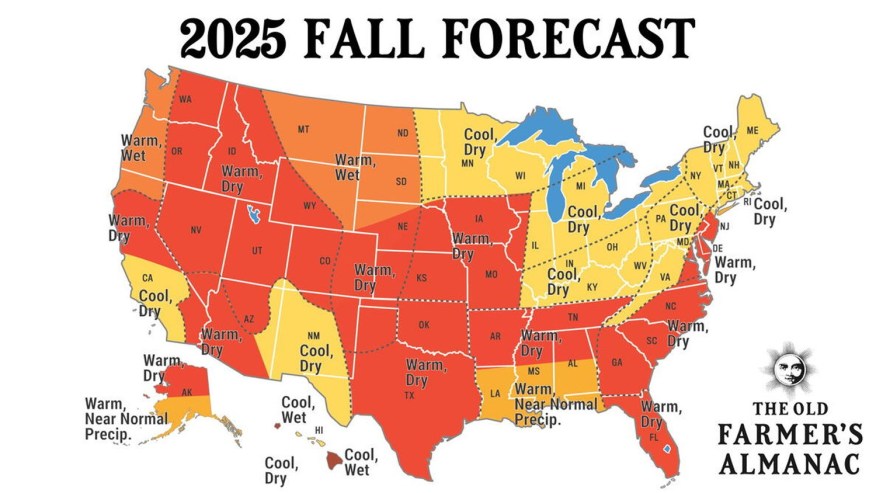
The Old Farmer’s Almanac projects a warmer fall season overall. It expects wetter conditions in the Pacific Northwest and northern New England. Meanwhile, the Plains, Rocky Mountains, and some states in the central Gulf region might experience a warm and dry fall. Areas like the Midwest, Ohio Valley, and East Coast could see a cool and dry season.
Winter Weather Outlook
The Farmers’ Almanac foresees a winter with “snow, sleet, and surprises” for the U.S. The forecast includes snowy weather for the upper Plains and Midwest. The Gulf and southern East Coast may face rainy conditions, and New England could encounter coastal storms.
Forecast Accuracy
The accuracy of almanac forecasts often sparks debate. Both publications claim an 80% success rate for their long-range predictions. However, research indicates that only about half of the Farmers’ Almanac’s forecasts were accurate. The Old Farmer’s Almanac uses a formula that incorporates solar science, climatology, and meteorology, comparing solar patterns with historical and current weather conditions.
Approach to Weather Forecasts
The Farmers’ Almanac incorporates the moon’s influence and historical weather patterns into its forecast formula. The long-term nature of these forecasts makes some skeptics wary. As meteorologist Rich Segal explains, predicting weather so far in advance is uncertain. NOAA’s forecasts, released in mid-October, follow a more cautious approach.
NOAA’s Approach
NOAA’s temperature and precipitation outlooks focus on probabilities. For example, the upper Pacific Northwest is predicted to have a warmer-than-average early fall, while the southern Midwest and Ohio Valley have an equal chance of warmer or cooler weather.
El Niño’s Influence
NOAA, along with the almanacs, considers the potential development of a strong El Niño pattern. National forecasters indicate a high chance of this year’s El Niño reaching a significant strength level, possibly impacting weather conditions such as a quieter hurricane season in the Atlantic.
Conclusion
Choosing to rely on almanac predictions is a personal decision. While some find value in these forecasts, others prefer official sources like NOAA, which remain cautiously optimistic about upcoming weather patterns.
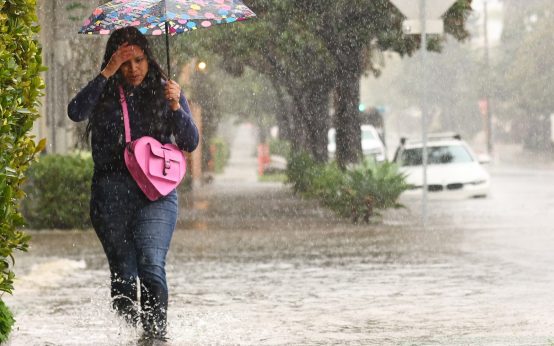 Super El Niño Impact on U.S. Weather: What to Expect
 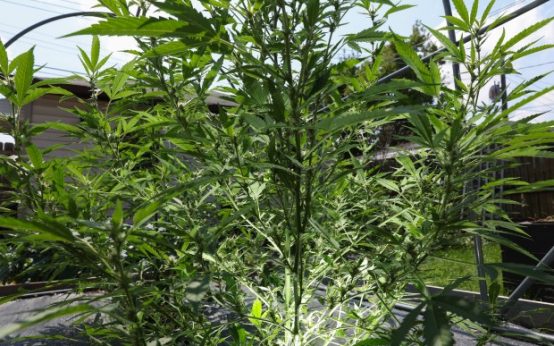 Illinois Considers Outdoor Cannabis Cultivation to Reduce Costs and Emissions
 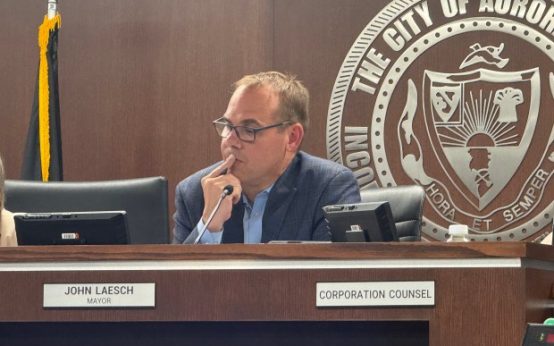 Aurora City Council Reviews Proposed Kingsley Row Townhouse Development
  National Park Advocates Protest Trump’s Parks Agenda
  Black Bear Trapped in Colorado Vehicle: Causes and Prevention
  Minnesota Governor Blocks Mining Near Boundary Waters in Defiance of Trump Policy