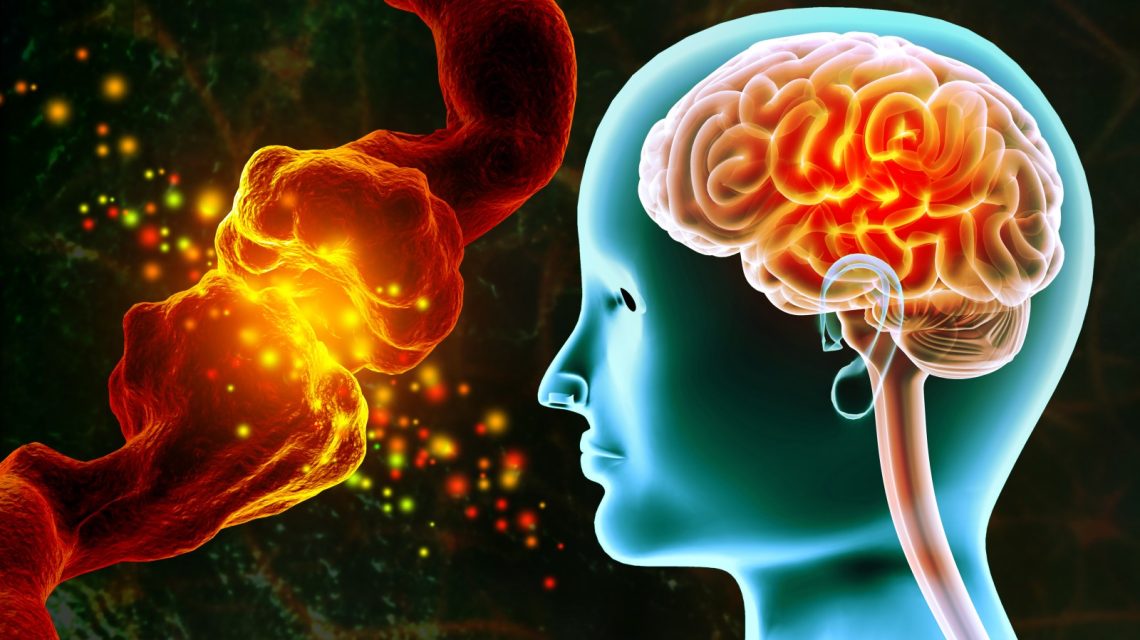
A recent investigation has unveiled a potential indicator for assessing the likelihood of developing dementia later in life. Currently, memory clinics rely on visual rating scales to evaluate brain atrophy related to dementia. However, these scales often miss subtle changes indicative of the disease’s early stages. Dementia encompasses diseases affecting the brain, such as Alzheimer’s, and impacts memory, thinking, and daily activities. In 2021, the World Health Organization reported that 57 million people worldwide were living with dementia.
Early signs include memory lapses, disorientation, conversational difficulties, anxiety, anger, and inappropriate behavior. Although no cure exists, as dementia progresses, patients may struggle to recognize loved ones, move, eat, drink, or manage basic functions.
Researchers propose that assessing the apparent age of a person’s brain via scans compared to their actual age might predict dementia risk years in advance. Stefan De Vries told Newsweek: A key insight from our study is that computer-estimated age from brain MRI (brain age) adds information beyond visual assessments by radiologists in people with subjective cognitive decline, but not in those with mild cognitive impairment.
This suggests that brain age assessment could be particularly valuable in dementia’s very early stages, where changes may be too subtle for visual detection. At Amsterdam UMC, researchers analyzed patient data from 2002 to 2024 using AI-based algorithms to estimate brain age from MRI scans, comparing this estimate to the actual age. The discrepancy, termed brain-PAD, showed significance in spotting mild cognitive impairment potential progressors to dementia.
The findings indicated that with each year a brain appeared older than the actual age, dementia risk increased by 6%. Early identification of dementia facilitates personalized strategies and interventions. Standard MRI scans detect brain shrinkage, but this approach could highlight more subtle signs, enabling earlier diagnosis.
The researchers analyzed 412 patients with subjective cognitive decline and 387 with mild cognitive impairment from the Alzheimer Center at Amsterdam UMC. They evaluated MRI scans, cognitive test scores, and traditional visual ratings, utilizing AI algorithms to ascertain brain age discrepancies. The study highlighted that an older-appearing brain strongly indicated future dementia risk. Conversely, patients with a brain age appearing 2.6 years younger had a 99% chance of remaining dementia-free over a two to ten-year period. While brain age calculations for MCI patients did not enhance current MRI ratings significantly, further research in clinical settings is necessary. However, this method could complement present strategies for identifying dementia-risk individuals.
De Vries stated that ongoing research aims to explore AI tools’ assistance to radiologists and its potential to improve diagnostic outcomes in memory clinic patients.
 Susie Wiles Shares Her Journey to Becoming Cancer-Free
  Tofu Tops Protein Source Rankings in New Analysis
  Santa Ana Winds and Wildfire Risks in Southern California
  Push for Ensuring Lasting Smiles Act to Protect Families
  Americans’ Confidence in Food Safety Hits Record Low
  Prepare for an Early Influenza Season: Vaccination Timing Is Crucial