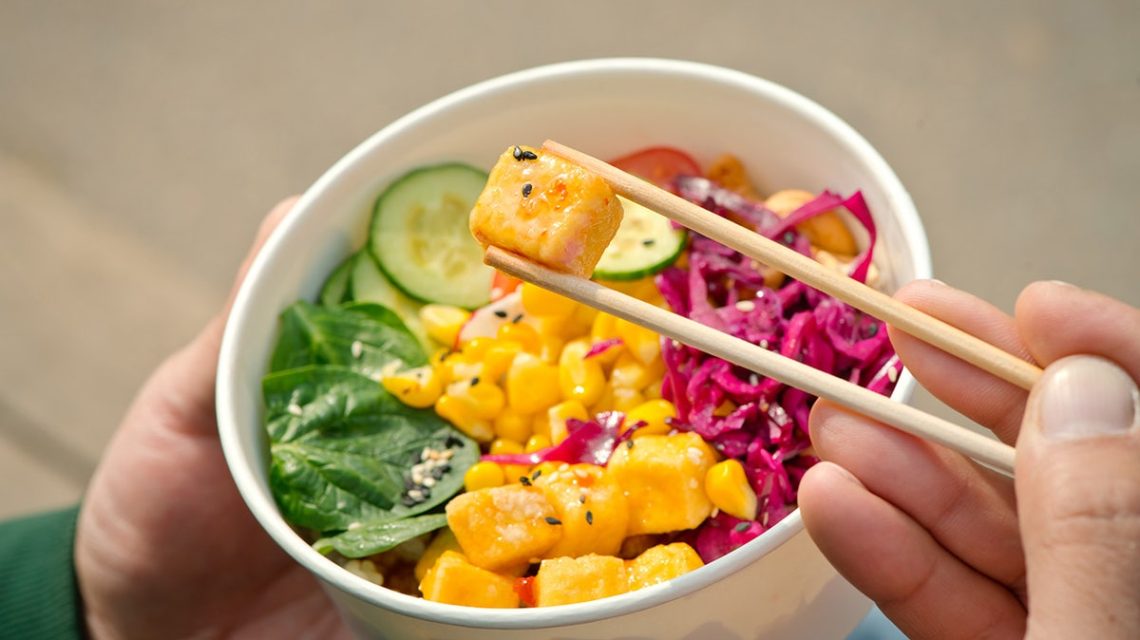
A recent analysis of 20 protein sources reveals that tofu, not steak, salmon, or eggs, is the highest scorer. This finding comes from the BPI Score, featured in a July paper published in Frontiers in Sustainable Food Systems, which evaluated protein sources on a 40-point scale.
The BPI Score, designed by University of Cambridge researcher Chris Macdonald in collaboration with the Better Protein Institute, assesses protein sources based on nutrition, affordability, availability, and environmental impact.
Understanding the BPI Score
The BPI Score establishes a “People Score” and a “Planet Score”. The People Score evaluates sodium, saturated fat, cholesterol content, presence of all nine essential amino acids, affordability, and availability. The Planet Score considers greenhouse gas emissions, water pollution, land use, and freshwater use.
Tofu ranks first in both categories, producing 0.61 kilograms of greenhouse gas emissions per 100 grams of protein, compared to 64.19 kilograms for beef. Tofu also uses about 2 square meters of land for this protein amount, while beef requires 211 square meters.
Beans, chia seeds, and quinoa join tofu in the top ranks. In contrast, mozzarella, lamb, beef, and cheddar are at the lower end.
Expert Insights
“The score provides a robust foundation for a more nuanced conversation,” Macdonald stated.
Corry Matthews, a California-based fitness and nutrition expert, advises considering protein quality, serving size, and how realistically you can meet nutritional needs with different foods.
“Three ounces of cooked chicken breast provides around 26 grams of protein,” Matthews noted. “A half cup of firm tofu may offer 10 to 15 grams, while two tablespoons of chia seeds provide 4 to 5 grams.”
Animal proteins such as eggs, dairy, fish, and lean meats generally offer complete proteins with essential amino acids. Tofu, being a soy food, also provides complete protein. However, those focusing on plant-based proteins must pay close attention to serving sizes and total intake, Matthews suggested.
Ashley Koff, an Oregon-based registered dietitian, emphasized that individual needs should guide protein choices. “Many do not digest tofu well,” Koff mentioned, recommending individuals choose protein sources they enjoy and can readily access.
Practical Advice
“Don’t let a ranking do all your nutritional thinking. Understand what the ranking measures, then choose foods that support your actual goals,” Matthews concluded.
 Meta’s Settlement and AI’s Impact on Youth
 Susie Wiles Shares Her Journey to Becoming Cancer-Free
 Southern California Faces Santa Ana Winds and Elevated Wildfire Risks
 Santa Ana Winds and Wildfire Risks in Southern California
 Push for Ensuring Lasting Smiles Act to Protect Families
 Americans’ Confidence in Food Safety Hits Record Low