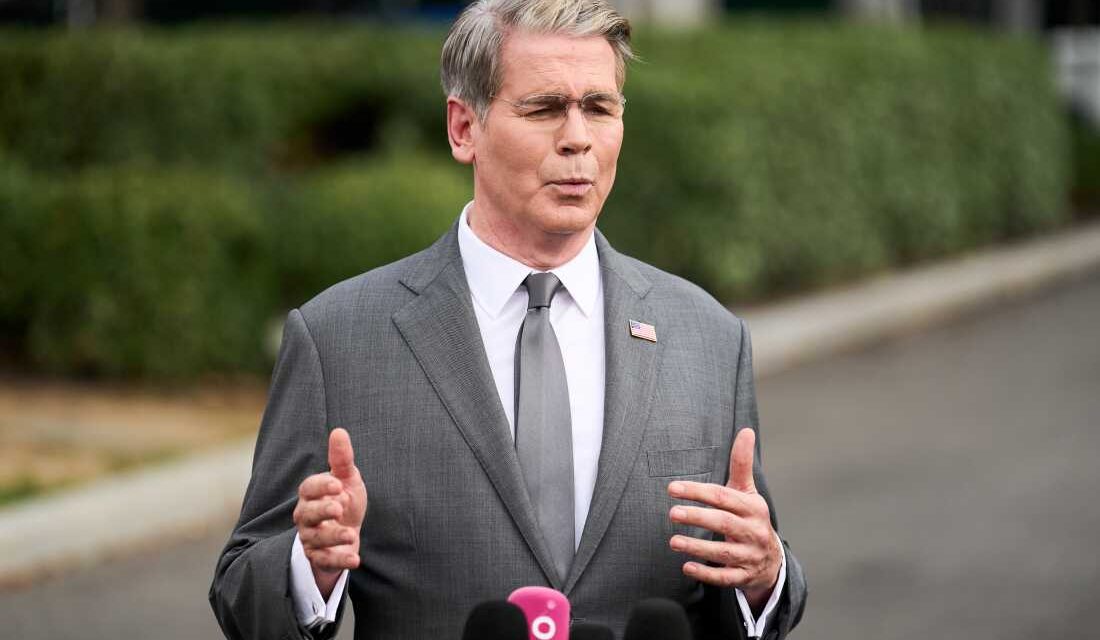
On Thursday, Treasury Secretary Scott Bessent addressed the media outside the White House, discussing plans for upcoming economic sanctions on Iran. Scheduled to be announced this Monday, these sanctions have been described by Bessent as the “single greatest financial offensive ever.” President Trump characterized it as an “economic D-Day.” He emphasized a commitment to targeting nations that offer financial assistance to Tehran.
Already, the Iranian currency, the Rial, has plummeted to unprecedented lows amid anticipation of these sanctions. The U.S. has long imposed extensive restrictions on Iran, with the latest round in June penalizing entities aiding Iran in circumventing existing measures. Additionally, a prolonged naval blockade by the U.S. has severely restricted entry of goods to Iran.
This new initiative appears aimed at increasing pressure not only on companies but also on governments supporting Iranian entities. In an editorial for the Financial Times, Bessent underscored the intention to cut every economic lifeline to Tehran. He pointedly addressed nations engaging in trade with Iran, advising them to reassess their actions. China, a major customer for Iranian oil, has been criticized for its substantial purchase activities.
Despite these measures, some analysts question the effectiveness of additional sanctions. Alan Eyre, a former diplomat involved in past nuclear discussions, expressed skepticism about the potential impact, noting the exhaustive nature of existing sanctions.
In response, Iran’s newly appointed security chief, Mohsen Rezaei, promised a “seismic” backlash to the proposed sanctions. Rezaei, formerly leading Iran’s Revolutionary Guards, is now an advisor to Ayatollah Mojtaba Khamenei. He cautioned Gulf states that collaboration in these measures would render them adversaries of Iran, posing them as potential targets.
Since the commencement of the U.S. and Israel’s conflict with Iran six months prior, Iran has launched strikes on U.S. military establishments in Jordan and allied Gulf nations, including UAE, Kuwait, and Saudi Arabia, resulting in casualties and injuries. Rezaei warned of further disruptions at pivotal oil transit points, particularly the Strait of Hormuz, risking severe complications for global oil supply. Energy exports have already suffered historic disturbances, with Iran’s strategic influence in Hormuz playing a significant role.
Gulf nations, despite investing heavily in alternative pipelines to bypass Hormuz, have yet to comment on the implications of fresh sanctions.
For ordinary Iranians, these intensified sanctions compound existing economic hardships. The country has endured U.S. sanctions since the 1979 Islamic Revolution, with significant economic strain on the population. Current inflation figures reach nearly 90%, per Iran’s Statistical Centre. Faced with rampant devaluation and inflation, many Iranians rely on credit for basic food purchases.
NPR interviewed a 30-year-old Iranian woman who described the financial struggles faced by ordinary citizens. Using credit for groceries and finding essential medicines prohibitively expensive, she spoke of the increasing challenges in daily life, exacerbated by frequent power outages and rising unemployment. Earlier this year, economic distress fueled public protests, met with severe governmental reprisal.
 Supreme Court Decision on Trump Administration’s Mail-In Ballot Order
 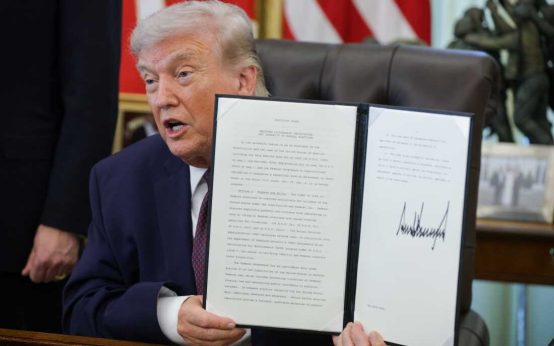 Supreme Court Pauses Ruling on Trump’s Mail-In Voting Directives
 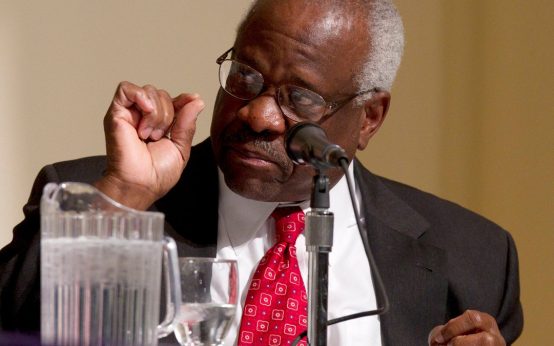 Clarence Thomas Rejects Racial Expectations on Political Views
  Michigan Senate Candidate Abdul El-Sayed Faces Backlash Over Remarks
 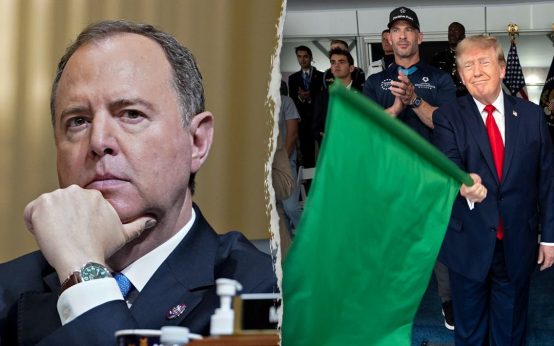 President Trump’s Appearance at the Freedom 250 Grand Prix Sparks Debate
 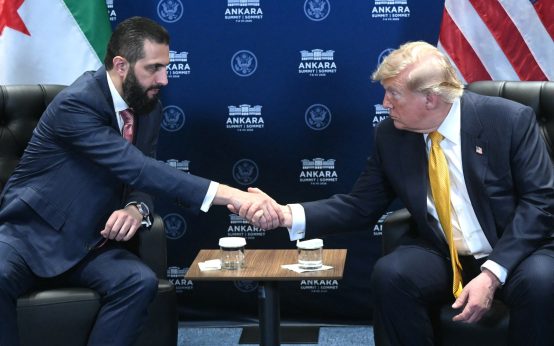 The State of U.S. Relations with State Sponsors of Terrorism