
As the trial of Lindsay Clancy continues, forensic psychiatrist Dr. Gregory Saathoff testified about crucial aspects of Clancy’s suicide attempt and mental state. Dr. Saathoff noted that Clancy never mentioned crushing pills during her suicide attempt, which is significant as it suggests a premeditated effort to hide pill bitterness. Saathoff pointed out inconsistencies in Clancy’s recounting of events, including differing stories about her actions on the night of the children’s deaths.
Another area of interest was auditory hallucinations. Clancy reported hearing a voice telling her to kill the children, which stopped after the act. Saathoff highlighted that such a limited occurrence of auditory hallucinations was unusual and not typical of command hallucinations. Both he and forensic psychologist Kirk Heilbrun found it notable that Clancy reported hearing voices only on the day of the killings.
The court heard that Saathoff has treated around half a dozen women who killed their children, underscoring his experience in these cases. Additionally, Saathoff’s testimony was provided without personal remuneration, which he clarified, stating that his salary from the University of Virginia is not influenced by specific case involvement.
Forensic psychologist Kirk Heilbrun contributed to the discourse, making notable observations about Clancy’s alleged moral awareness during the killings. Despite Clancy’s bipolar disorder diagnosis, Heilbrun testified that Clancy understood the legal and moral ramifications of her actions. He itemized decisions Clancy made leading up to the crimes, reinforcing the prosecution’s argument of a deliberate series of actions.
The defense, led by attorney Kevin Reddington, has been questioning witnesses rigorously, attempting to highlight deficiencies in Clancy’s treatment for postpartum psychosis. They sought to establish Clancy as a well-intentioned mother suffering from misunderstood mental health issues.
Amid courtroom exchanges, tensions peaked during Reddington’s cross-examinations. He challenged testimony regarding Clancy’s ability to communicate post-suicide attempt, citing a 911 call suggesting her spinal and throat injuries hindered speech. Heilbrun’s cross-examination also revealed his limited exposure to postpartum issues, further scrutinizing the foundation of his analysis.
The trial’s atmosphere is charged, with spectators filling the gallery and jurors taking diligent notes. Tempers flared during the witness questioning, and references to Catholic beliefs sparked calls for a mistrial. The judge instructed the jury to disregard faith-related comments to maintain focus on Clancy’s legal and psychological assessment.
The proceedings are advancing, with final testimonies and closing arguments approaching. Clancy’s case is complex, pitting psychological evaluations against moral and legal definitions of criminal responsibility.
 Florida Woman Found Guilty of Murdering Boyfriend
  Arrest Made in 15-Year-Old Cold Case of Missing Florida Woman
 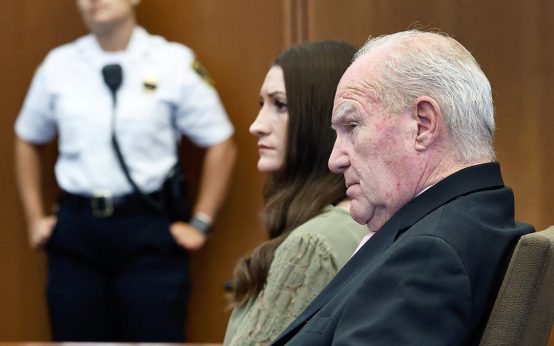 Lone Juror’s Perspective in Clancy Murder Trial
  U.S. Justice Department Drops Charges Against Former CIA Analyst
  Eric Lewis Acquitted of Murder: Philadelphia Police Misconduct Allegations Surface
  Former Chicago Detective Tied to 1960 Murder Case Using DNA