
Dolly Parton was far more than a musician. She was an actor, author, philanthropist, and theme-park entrepreneur. The icon, who passed away at 80, occupied a significant place in our cultural world. At her core, Parton was a songwriter.
Choosing 11 songs from her extensive catalog is challenging, yet some classics are undeniable standouts. These songs reflect her journey and contributions to music.
1968: “Just Because I’m a Woman”
Parton’s work often championed feminist themes. This song addresses gender dynamics, reflecting her stance during the rise of the women’s liberation movement. In this track, the protagonist tells her partner not to judge her for past relationships, highlighting equality.
1971: “Coat of Many Colors”
This autobiographical song describes Parton’s mother crafting a coat from rags. Despite being mocked, she saw its worth. Her lyrics express how the coat’s true value wasn’t monetary.
1973: “Jolene”
One of her most famous songs, “Jolene” was inspired by a bank teller’s interest in Parton’s husband. While innocent in nature, it tells a compelling story. This iconic song remains widely recognized.
1974: “I Will Always Love You”
This track, linked with Whitney Houston’s rendition, was originally by Parton. Written for Porter Wagoner, it’s an enduring classic spanning decades and generations.
1977: “Here You Come Again”
Despite not writing this hit, Parton made “Here You Come Again” her own. It marked her successful transition into pop, maintaining her country roots.
1980: “9 to 5”
Written for the film “9 to 5,” this song showcased Parton’s Hollywood influence. Its lyrics celebrated working women and called for pay equity, earning Parton an Oscar nomination.
1983: “Islands in the Stream,” with Kenny Rogers
Parton teamed up with Kenny Rogers for this duet. Originally intended for other artists, their version highlights the bond between country and R&B music.
1989: “Why’d You Come in Here Lookin’ Like That”
Returning to her country roots, Parton released “Why’d You Come in Here Lookin’ Like That” in 1989. This track features traditional instruments and playful lyrics, contrasting with her earlier pop sounds.
1999: “The Grass Is Blue”
This bluegrass ballad reflects raw emotion. Written in a short period, “The Grass Is Blue” showcases Parton’s storytelling within a poignant song.
2001: “Little Sparrow”
Parton embraced her roots with “Little Sparrow.” The title track highlighted her distinct voice and a cappella harmonies, reaffirming her musical capabilities.
2014: “Blue Smoke”
In “Blue Smoke,” Parton transports listeners to her childhood in the Blue Ridge Mountains. The song captures nostalgia and place through vivid imagery.
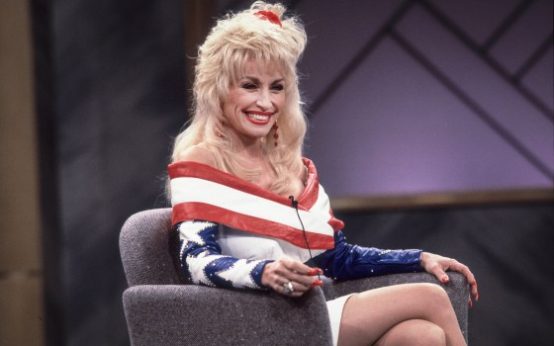 Dolly Parton: A National Treasure
  Intriguing Noir and Suspense Novels
 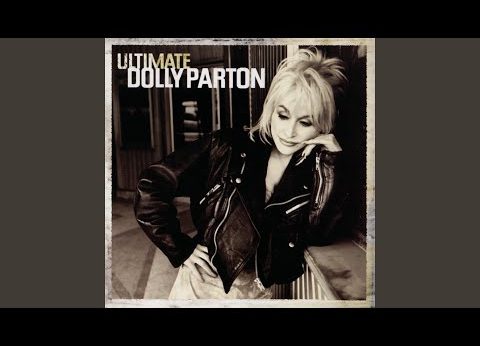 Dolly Parton’s Enduring Legacy in American Music
  Tiktok ‘fibermaxxing’ Trend and Paige Spiranac’s Content Innovations
 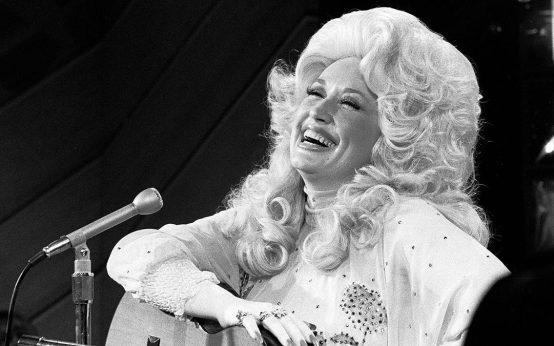 President Trump Orders Flags Lowered for Dolly Parton
  Chicago Theater Updates: Robert Falls Returns, Broadway Openings and Shattered Globe’s New Season