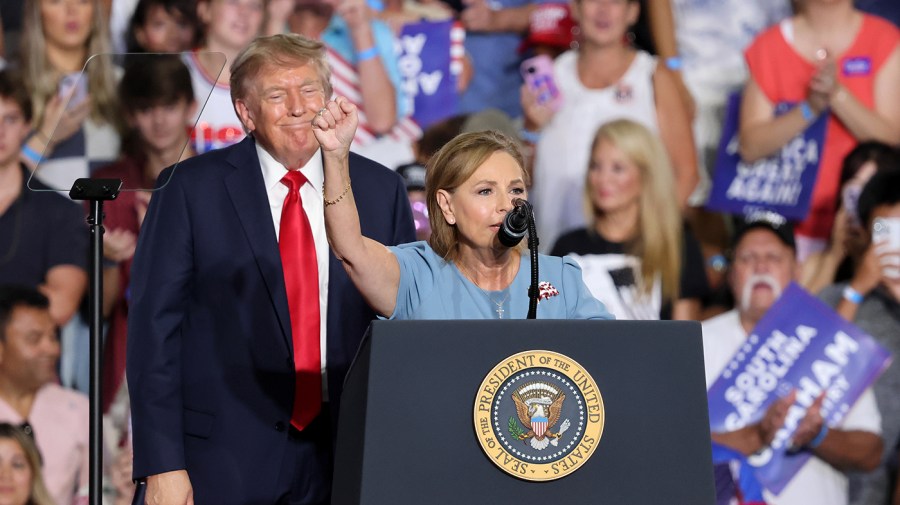
The political landscape in the United States is marked by significant events and policy shifts. Recent developments shed light on the complexities within GOP runoffs and Supreme Court rulings impacting mail-in voting. Additionally, contentious trade talks with Canada and economic pressures related to Iran are influencing global relations. These changes warrant close attention.
GOP Runoffs and Political Influence
Voters in South Carolina and Oklahoma GOP runoffs are observing the influence of endorsements from former President Trump. In South Carolina, Sen. Darline Graham and Rep. Ralph Norman compete for a Senate seat, with Trump backing Graham. However, her fumble in a recent debate has stirred uncertainty. Public polling shows a tight race, intensifying scrutiny of Trump’s endorsement power.
In Oklahoma gubernatorial runoff, Republican Mike Mazzei challenges Gentner Drummond, the early favorite. Drummond’s opposition to a Trump-supported aluminum smelter project and his impeachment stance have drawn criticism. Trump leverages his influence through tele-rallies, encouraging voter turnout amidst political tensions.
Supreme Court and Voting Legislation
The Supreme Court recently permitted Trump’s mail-in voting requirements to advance, removing a federal judge’s block. Conservative justices believe Democratic-leaning states filed prematurely. The executive order aims for verified voter lists and regulates mail-in ballot distributions. This ruling’s timing is crucial for upcoming midterms, although future legal challenges could affect implementation.
Trade Relations and Tariffs
Trade tensions with Canada escalate as Trump contemplates further tariffs, retaliating against Canadian countermeasures. New tariffs target Canadian autos and steel following disputes over trade agreement terms. These tariffs inflame the trade war, influencing agricultural and electronic sectors. Canada’s resistance highlights the challenging negotiation landscape.
Economic Sanctions Against Iran
The Trump administration unveiled a significant economic strategy named “Operation Economic Outcast” targeting Iran. Treasury Secretary Scott Bessent underscores the threat of sanctions rather than immediate enforcement. The approach seeks global cooperation to cut business ties with Iran, intending economic isolation. Key trading partners like China and Russia factor into the plan’s success.
Sanctions target 60 entities and sectors, broadening the Treasury’s authority in areas such as digital assets and shipping. Iran’s currency, the rial, hit record low levels amidst economic contraction warnings from the IMF. The U.S. markets exhibited stability, yet signs of Iran’s economic struggle persist.
Water Rights and State Disputes
Nevada pursues legal action against federal directives on Colorado River water cuts. Governor Joe Lombardo argues these proposed reductions threaten public welfare and could damage local economies. The Interior Department’s plan would impose significant water use reductions, prompting resistance from affected states.
Intraparty Tensions on Agricultural Tariffs
Senate Republicans express concern over Trump’s pause on beef import tariffs amid rising food costs. Agricultural states fear cheap beef imports may harm local markets. Senators argue against short-term fixes, pointing out challenges facing farmers in a volatile economic climate.
Supreme Court Dynamics and Ethics
Justice Clarence Thomas addresses ethics concerns amid scrutiny regarding his disclosures and associations. His appearance on Ted Cruz’s podcast highlighted mutual support amidst political criticism. Thomas anticipates ongoing challenges relating to his and his wife’s perceived influences.
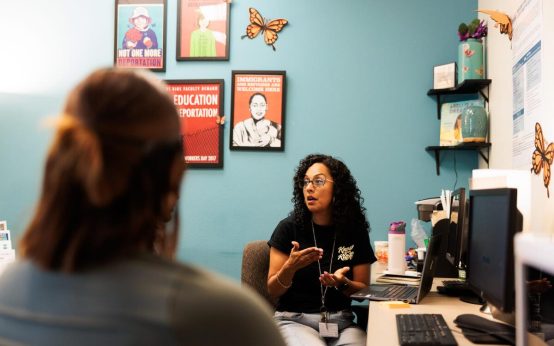 Support and Challenges for Undocumented Students in California
 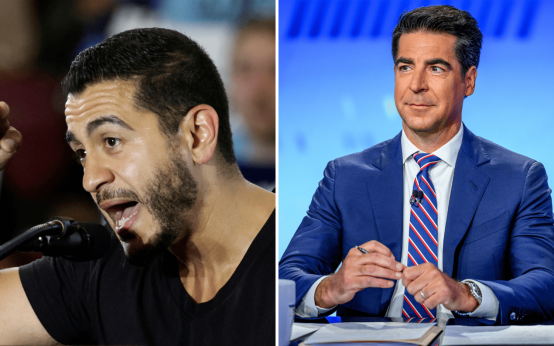 Abdul El-Sayed and Jesse Watters Clash Over Key Issues in Michigan Senate Race
 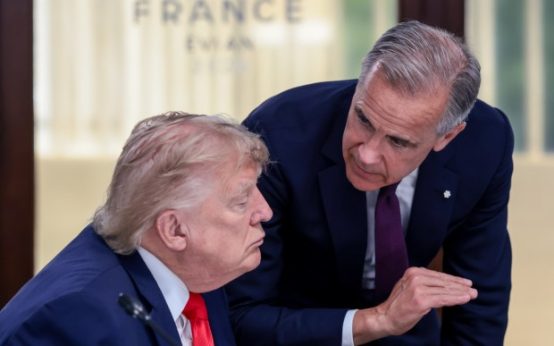 The U.S.-Canada Trade Dispute and Lessons in Coercive Diplomacy
  Federal Surveillance Raises Concerns Over Privacy and Free Speech
 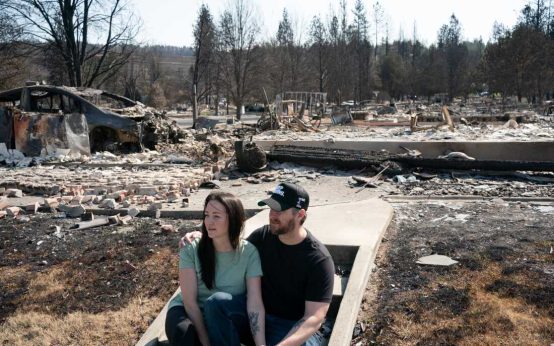 Challenges Faced by Wildfire Survivors in Spokane
 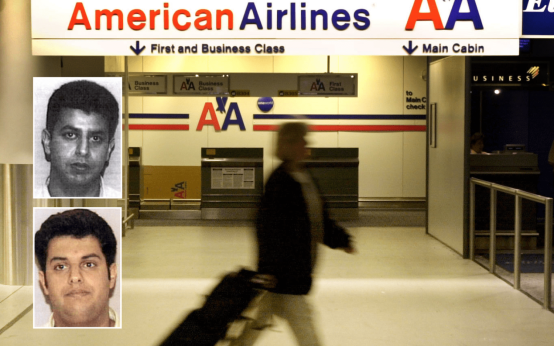 Setting the Stage for 9/11: Key Events from August 25-26, 2001