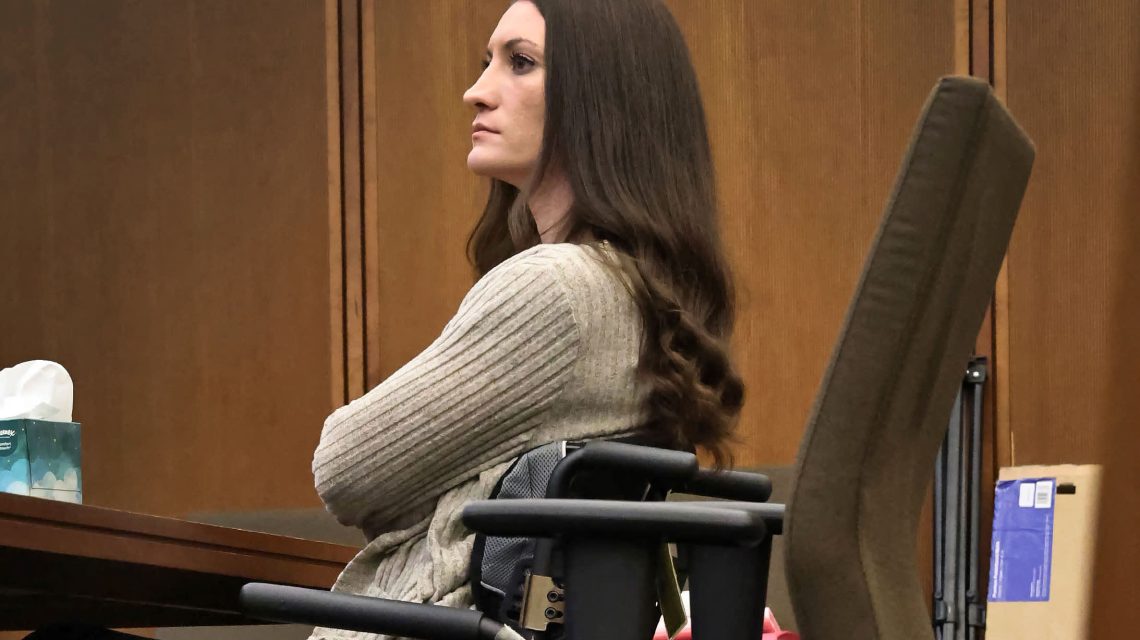
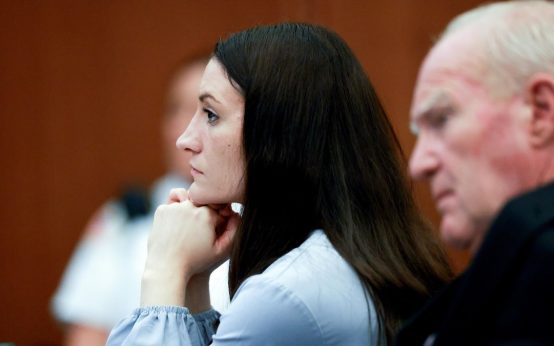
The murder trial of Lindsay Clancy, who is accused of killing her three young children — Cora, 5, Dawson, 3, and Callan, 8 months — at their home in January 2023, is drawing to a close with the expected conclusion of evidence presentation today.
Mental Health at the Forefront
The trial has centered around Clancy’s mental health. Prosecutors assert that Clancy deliberately committed the acts, while the defense argues that she was suffering from postpartum psychosis, which affected her ability to recognize the wrongfulness of the actions.
The prosecution’s final witnesses aimed to discredit claims of Clancy’s postpartum psychosis and the alleged influence of voices commanding her actions. Meanwhile, defense attorney Kevin Reddington emphasized testimonies from friends and family, including Clancy’s husband, who described her as an exceptional mother.
The trial, spanning five weeks, has sparked widespread discussion and analysis, reaching beyond the Massachusetts courtroom to podcasts and social media platforms. Clancy, now 36, has become emblematic of the shortcomings in maternal healthcare.
Closing arguments may commence tomorrow as advised by the judge.
Defense’s Strategy
Defense attorney Reddington completed his cross-examination of forensic psychiatrist Gregory Saathoff, who was the trial’s final witness. Reddington challenged claims that Clancy attempted suicide by crushing pills into lemonade, questioning whether evidence of pill residue or a crusher was found. Saathoff responded that no such evidence had been identified.
During the proceedings, Reddington also focused on Clancy’s decision to reject a medication due to its side effects, highlighting her background as a nurse. Saathoff asserted the benefits of the medication were substantial, but acknowledged Clancy’s personal choice to avoid the drug was reasonable.
Trial’s Last Day of Testimony
The courtroom was less crowded this morning, with empty seats noticeable. Jurors appeared attentive, taking notes during witness testifications. Gregory Saathoff maintained his viewpoint that Clancy knew right from wrong when she committed the acts, citing Clancy’s actions before the killings as evidence of her awareness.
Saathoff described Clancy’s dosage of medication, amitriptyline, as low and acceptable for a child. He emphasized people experiencing psychosis could refrain from illegal acts if commands occur in front of law enforcement, illustrating the ability to control behavior.
Observers and Public Interest
Nichelle Milford Cook, an attendee since August 1, splits her time between Massachusetts and Texas, motivated by her expertise in maternal and postpartum healthcare. Cook seeks to understand gaps in Clancy’s healthcare as a means to prevent similar cases in other mothers.
Public interest extends beyond the courtroom. Various narratives are debated, raising questions about Clancy’s criminal responsibility given her mental health condition. The defense argues her postpartum psychosis absolves her criminal culpability, while the prosecution maintains her awareness and intent.
Final Remarks before Deliberation
Judge William Sullivan has advised jurors to remain open-minded as they approach deliberation. Closing arguments are anticipated tomorrow, heralding the final phase when the jury will assess evidence and testimonies to arrive at a verdict.
 Lindsay Clancy Trial Nears Conclusion Amid Mental Health Debate
  Murder Trial of Lindsay Clancy: Mental Health and Maternal Care
  Lindsay Clancy Trial Nears Conclusion Amid Psychiatric Debate
  South Carolina Lawmaker Discusses Lindsay Clancy Trial Dynamics
  Multi-Faith Parents Sue Palo Alto School Over Mosque Field Trip
  Testimonies Examine Mental State in Clancy Case