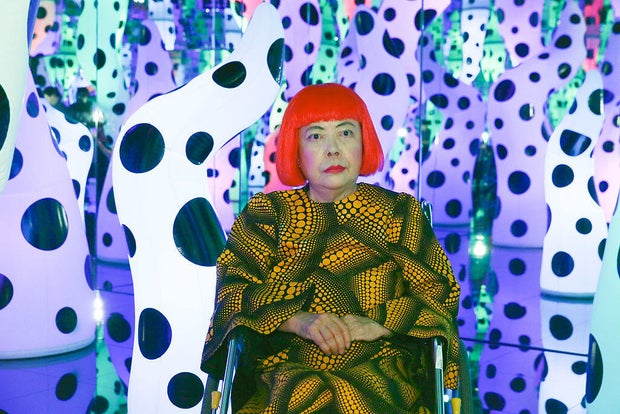
Japanese artist Yayoi Kusama, renowned for her distinctive use of polka dots in paintings, sculptures, and museum installations globally, passed away. Kusama died at 97 years old in a Tokyo hospital, as reported by her studio.
“She continued to paint until her final days, never setting aside her brush, and continued exploration of forever love and eternal soul,” the studio’s statement highlighted.
Kusama was celebrated worldwide, featuring prominently in institutions like the Museum of Modern Art and the Whitney Museum of American Art in New York. Her artwork predominantly featured repetitive motifs — nettings, swirls, worms, and most notably, dots. These lively dots, displayed on her canvases or as glowing installations, embodied vibrant psychedelic excellence.
In a 2012 interview with the Associated Press, Kusama expressed her lifelong dedication to art. “Polka dots are fabulous,” she stated, dressed in her signature orange bob wig and polka dot attire. She aspired to create thousands of paintings, emphasizing her unwavering commitment to her craft.
One of her notable creations, “Fireflies on the Water” (2002), made of mirror, plexiglass, 150 lights, and water, beautifully reflected her unique vision.
Kusama attributed her artistic style to childhood hallucinations, perceiving the world as spotted. Despite decades spent in psychiatric institutions, her condition did not halt her artistic journey. As one of the first Japanese women pursuing art in New York in 1957, she was bold in maintaining her artistic vision, despite being soft-spoken and shy.
In later years, her art’s popularity soared. She collaborated with brands like Louis Vuitton, expanding her work into fashion, teacups, T-shirts, and keychains. In 2008, Christie’s auctioned her work for a record $5.8 million. She received Japan’s prestigious Order of Culture award in 2016. Upon receiving the honor, she expressed determination to pursue her art and ensure its lasting impact.
Kusama was often labeled under various artistic terms such as pop, avant-garde, and feminist. However, she often dismissed these categories, prioritizing her personal artistic vision.
Born into a middle-class family, Kusama felt misunderstood. Her parents preferred a traditional path for her — marriage, not painting. To escape these constraints, she chose America. Arriving in New York, amidst the dominance of “action painting” characterized by dribbles and smears, she persisted in her dot-centric style.
Kusama engaged in anti-war performances placing dots on various subjects, drawing media attention for obscenity but popularizing her art. During her time in New York, she forged connections with fellow artists like Andy Warhol, Georgia O’Keeffe, and Joseph Cornell, who admired her innovation.
Throughout her career, Kusama created remarkable, celebratory works. These include “Macaroni Girl,” a diminutive figure adorned with macaroni symbolizing food fear; “The Visionary Flowers,” gigantic twisting tulips sculptures; and “Mirrored Corridor,” a space with mirrors projecting a phallic dotted illusion.
Aside from visual art, Kusama explored films and published novels, often expressing uncertainty about her inspirations. Despite this mystery, her surprise at the outcomes only enriched her creative process.
Deep inside, Kusama embodied a blend of vulnerability and determination. Although she declared herself “an artistic revolutionary,” she admitted feeling constant fear.
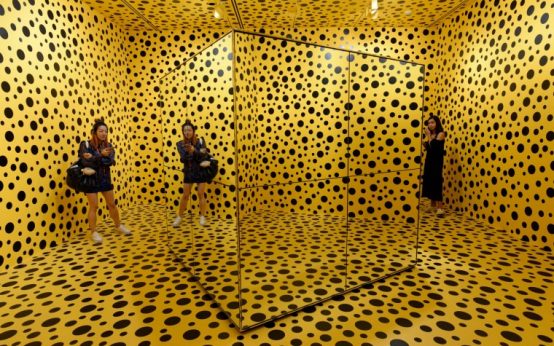 Yayoi Kusama: A Pioneering Journey Through Art and Mental Health
 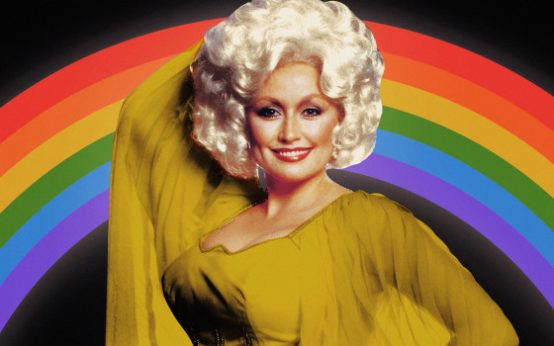 Dolly Parton’s Enduring Support for LGBTQ Rights
  Celebrating the Legacy of Dolly Parton and the Philosophy of Ubuntu
  Jon Stewart Discusses Impact of Political Comedy on News Consumption
  Celebrating the Legacy of Dolly Parton
 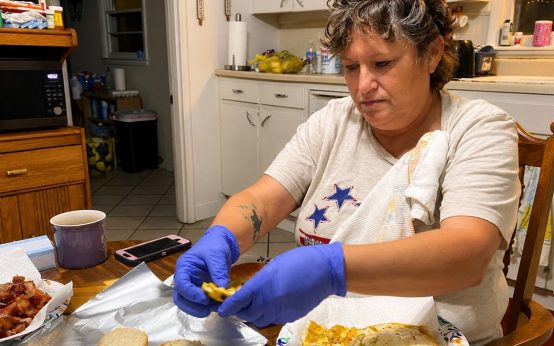 Missouri Grandmother Faces Legal Issues Over Free Breakfasts