In Northern Ireland, police used water cannons against protesters on Wednesday, responding to violent demonstrations. Protesters set small fires and threw bricks, rocks, and bottles during the second night of unrest following a brutal stabbing in Belfast.
The unrest began after 30-year-old Sudanese national, Hadi Alodid, appeared in court. He faced charges of attempted murder after allegedly blinding a man, Stephen Ogilvie, in a knife attack. Authorities detained Alodid, who also faced charges of possessing a knife and making threats after the assault.
Masked demonstrators used bricks pulled from walls and sections of dismantled fences to attack riot police. These clashes followed Alodid’s court appearance and were influenced by tensions related to anti-immigrant sentiments. The conflict began when several masked men set homes on fire, targeting properties believed to house immigrants. Additionally, protesters burned trash bins, torched a bus, and attacked police with projectiles.
Belfast resident Anselme Shima expressed fear after witnessing smoke from burning vehicles near his home. “I’ve lived on my street for almost 10 years and have a good relationship with my neighbors,” he said. “But last night was horrific.” Authorities rescued families, including one with a baby, from burning homes, moving them to police stations for safety.
Police Chief Constable Jon Boutcher of the Police Service of Northern Ireland (PSNI) stated that the violence affected families across different communities. To address the situation, authorities planned to deploy 200 additional officers and requested support from other forces. The violence prompted bus and train operators to suspend services early.
“There is absolutely no excuse for it,” Boutcher told the BBC, emphasizing the need for calm.
The family of Stephen Ogilvie urged the public to avoid using the tragedy as a pretext for division or hostility, highlighting the valuable contributions migrants make to the country.
Politicians from both sides of Northern Ireland’s government condemned the violence. First Minister Michelle O’Neill criticized the masked attackers, labeling the events as “disgusting cowardice.” Deputy First Minister Emma Little-Pengelly called the attacks “utterly wrong.”
The incident, captured on video and shared widely on social media, triggered unrest among anti-immigration activists. Ogilvie, in his 40s, suffered serious injuries, including deep cuts to his head, face, and back. Alodid applied for asylum and received a five-year permit to remain in Northern Ireland, arriving from the Republic of Ireland in 2023. Police found no evidence suggesting the attack was terrorism-related.
Despite calls for calm from politicians, far-right activists encouraged protests online. British Prime Minister Keir Starmer condemned the violence, stating, “There is no justification for the violence and disorder that we saw threatening our communities.” Northern Ireland Justice Minister Naomi Long criticized agitators using social media to incite fear, describing the actions as racist.
The violence sparked discussions over the open border between Northern Ireland and the Republic of Ireland. Some politicians questioned the existing arrangement, a vital component of the peace process ending “The Troubles.” This conflict, which involved Irish Republican and British Loyalist militants along with U.K. security forces, claimed around 3,600 lives before the 1998 peace accord.
Most of the unrest occurred in working-class neighborhoods where former paramilitary groups maintain influence. A recent violent protest in Southampton highlighted similar tensions, where a university student was murdered, triggering allegations about immigration’s role in the incident. British politicians, however, rejected these claims.
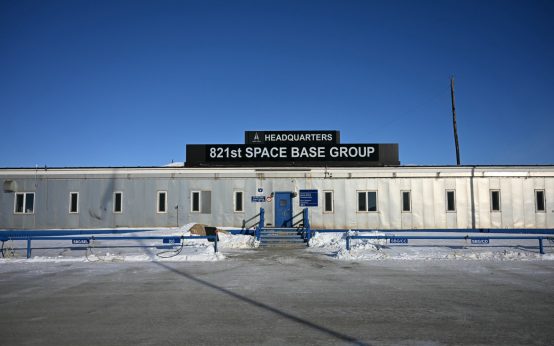 New U.S. Military Bases Planned in Greenland Amid Strategic Security Deal
 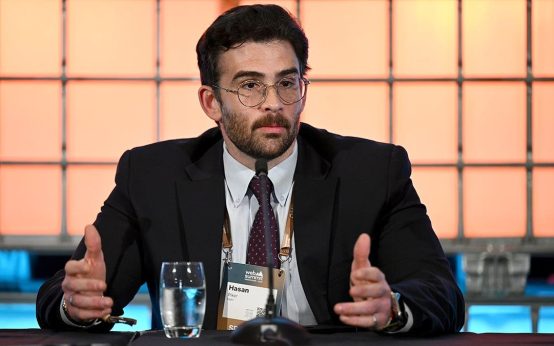 Twitch Streamer Hasan Piker Discusses Controversial Commentary
  A Shifting Political Landscape: The Decline of Autocratic Power
  Trump Delivers Warning to Iran, Cuba at UN General Assembly
 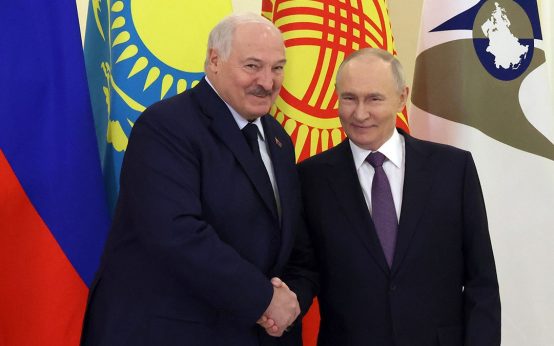 Lukashenko and Putin’s Unique Relationship and Belarus’ Strategic Role
  Alan Ritchson Faces Backlash Over Political Remarks