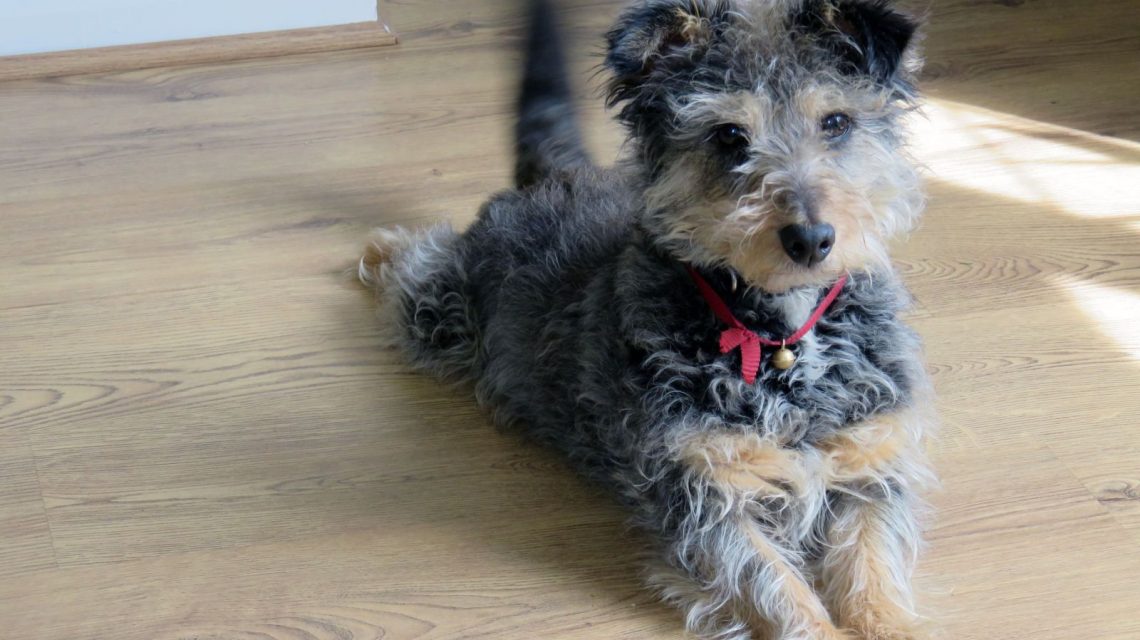
A dog approaching with a wagging tail might seem like an invitation to interact, but it’s crucial to assess the situation more closely before petting them.
While it’s common to associate a wagging tail with happiness, this isn’t always the case. Tail movement can occasionally indicate fear, anxiety, or agitation. Misinterpreting these signals could lead to uncomfortable situations for both the dog and the person.
A wagging tail can mean happiness, but it can also signal the opposite, according to Mike Gould, a canine expert and co-founder of Hounds Town USA.
Reasons Dogs Wag Their Tails
Dogs express emotions through various behaviors rather than a single action, and it’s important to consider their body language in general. This includes posture, ears, facial expression, and surroundings.
Dogs may wag their tails when they feel happy to see someone, but tail movement can also occur due to fear, anxiety, overstimulation, or defensiveness. In these cases, the tail wag might signal that the dog is ‘activated’ by something like another animal, a new person, or a sudden sound.
A dog preparing to defend itself can still wag its tail, indicating that you shouldn’t automatically interpret this as an invitation to approach.
Meaning Behind Different Tail Wags
Tail wags can vary, and their position and movement offer important clues. A broad, loose wag typically suggests comfort and sociability, while a low or tucked tail indicates fear. A high, tight, and speedy wag may signify excitement or agitation, whereas a raised, stiff tail might mean alertness to nearby changes.
Dogs can detect sounds and scents before humans, so changes in tail position can be early indicators of nearby stimuli.
Understanding the Whole Dog
It’s vital to look at the entire dog’s physical cues, such as body tension, face, ears, mouth, and hackles. A relaxed dog may, for instance, close its mouth abruptly after hearing a car or sensing something nearby.
These physical signals help differentiate dogs that are comfortable and socially engaged from those whose attention or emotional state has shifted.
Although each dog has a baseline, Gould notes that some dogs are naturally more challenging to read. Observing your own dog regularly aids in identifying what is normal for them and noticing changes.
Misinterpreting a Wagging Tail
Greetings can be situations where a dog’s body language is easily misread. People might see a wagging tail and think the dog wants petting when, in reality, the dog might feel uncertain.
Breed stereotypes can complicate these assumptions further. Similar behavior might be perceived differently depending on the breed, like a Labrador retriever or a pit bull.
Instead of adhering to breed expectations, pay attention to the individual dog and the signals being portrayed at that moment.
Reacting to a Dog’s Discomfort
If a dog shows discomfort despite a wagging tail, it’s prudent to give the dog space rather than assuming it wants attention.
Humans are part of a dog’s environment, meaning our body language impacts the dog’s comfort level.
Lowering your gaze and getting closer to the dog’s level can reduce intimidation, and allowing the dog to approach independently can be reassuring.
For scared dogs, chasing or moving toward them when they seek distance exacerbates fear.
Instead, soften your approach, provide space, and let the dog decide on its terms whether to come closer.
Continuous Observation of the Dog
No singular tail movement can indicate a dog’s feelings conclusively. As owners spend more time observing their dogs, their ability to identify standard behavior and detect changes improves.
Dogs communicate by revealing aspects of themselves, and it’s our task to learn their language instead of assuming they speak yours.
 Choosing the Right Manual Lawn Edger
  NFL Love Story: Cooper DeJean and Abby Summers
  Effective Ways to Reheat Pizza: A Practical Guide
  How to Regain Control Over Your Attention
  Managing Family Tensions on Social Media
  Taste of Naperville: Culinary Delights Await Diners