
The closing arguments in Lindsay Clancy’s murder trial are set to take place in Massachusetts following 21 days of testimony. Clancy faces charges of first-degree murder for the deaths of her children, 5-year-old Cora, 3-year-old Dawson, and 8-month-old Callan.
Prosecution and Defense Stances
Clancy has pleaded not guilty. The prosecution argues she planned the murders and questions the seriousness of her subsequent suicide attempt. Her defense points to overmedication and postpartum psychosis as factors, asserting she should not be held accountable.
Potential Consequences
If convicted of first-degree murder, Clancy could receive a life sentence without parole. If found not criminally responsible, she would be sent to a state psychiatric hospital. A not guilty verdict is deemed unlikely by her attorney, who acknowledges Clancy’s actions.
Court Proceedings and Public Interest
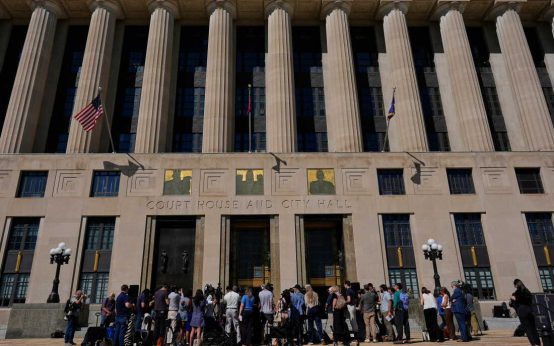
The trial is drawing significant public and media attention. At Plymouth Superior Court, a crowd of more than 90 people, including media and the public, gathered to enter the courthouse. Many in attendance showed support by wearing pink, and some brought children and chairs to wait in line.
Judge and Legal Teams
Judge William Sullivan oversees the trial. A request for a mistrial was denied after a prosecution witness referenced Clancy’s religious beliefs. Prosecutors Jennifer Sprague and Shanan Buckingham have been handling the case, while Kevin Reddington leads the defense.
The Role of Postpartum Psychosis
Postpartum psychosis plays a central role in Clancy’s defense. This rare disorder affects 1 to 2 per 1,000 women post-delivery and presents as a mental health emergency. It involves delusions, hallucinations, and disconnection from reality. Prompt treatment can lead to recovery and positive family life.
If you or someone you know struggles with emotional distress or a suicidal crisis, contact the 988 Suicide & Crisis Lifeline. For mental health care resources, reach out to the National Alliance on Mental Illness at 1-800-950-NAMI (6264) or [email protected].
 Christa Pike Moved to Rehabilitation Center After Surviving Execution Attempt
  Ohio Dog Park Shooting Incident Sparks Legal Debate on Self-Defense Claims
  The Ethical and Practical Challenges of Lethal Injection Procedures
  Failed Execution of Christa Pike Sparks Debate and Legal Questions
  Ex-CIA Official Guilty of Fraud and Abuse
  Inquiry Requested into DOJ’s Case Against Former Olympian