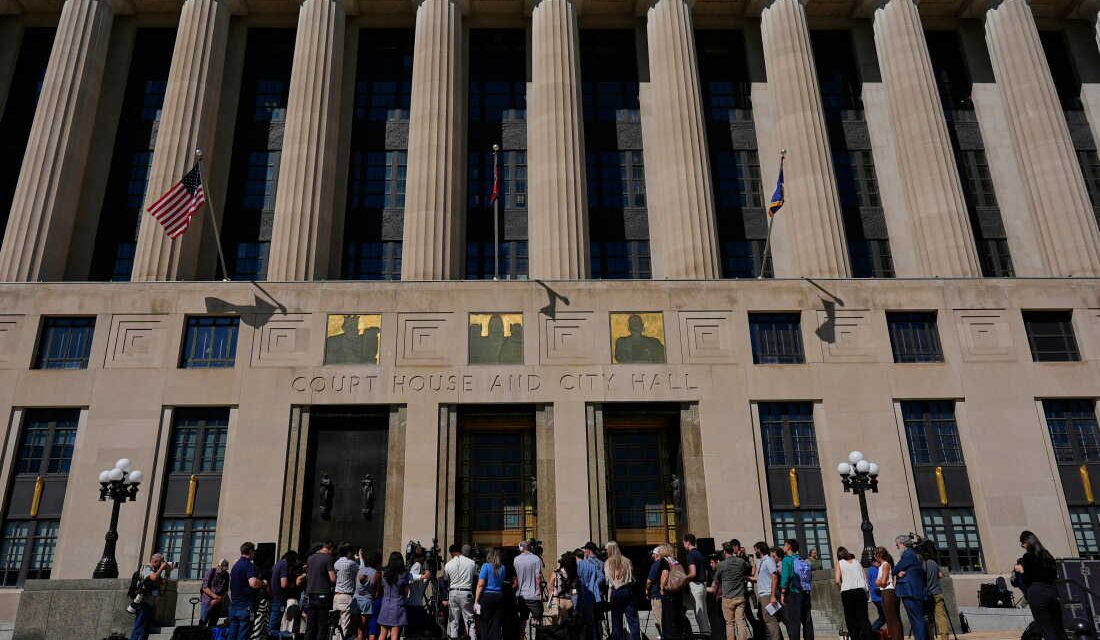
NASHVILLE, Tenn. — Christa Pike, 50, began walking and eating again after surviving a failed execution attempt by the state of Tennessee. Pike’s attorneys reported her recovery following the state’s attempt to administer a lethal injection using pentobarbital. The execution took place eight days earlier for the 1995 murder of Colleen Slemmer, a classmate of Pike. Despite two doses, the drug did not result in death, leaving Pike with burned and blistered arms.
Initially unconscious and on a ventilator, Pike took her first limited steps on Wednesday. She required some assistance as she moved, marking slow progress in regaining mobility in her arms. For the first time since the execution attempt, Pike managed to eat as well. However, her lawyers highlighted uncertainty around both her physical recovery and the legal situation following the attempted execution.
Questions Persist About Pike’s Recovery and Legal Future
The failed execution on September 30 reignited discussions on the death penalty’s administration in various states. Shortly after, Texas carried out the first U.S. execution since the failed attempt in Tennessee. “Despite her remarkable physical recovery, questions linger about the long-term impact of her ordeal,” her attorneys stated.
They noted the profound psychological trauma Pike faces after surviving the attempt, including the terror and pain associated with her near-death experience. Pike regained consciousness on Tuesday and gradually began speaking, initially showing confusion. On Thursday, her attorneys reported ongoing struggles with concentration and memory. Doctors remain cautious about assessing potential long-term impacts.
The future of Pike’s death sentence remains unclear. Her legal team plans to petition Republican Gov. Bill Lee to commute her sentence to life imprisonment without parole. “She should never undergo another execution attempt,” they insisted.
Lack of Clarity on Execution’s Failure
Following the unsuccessful execution, Gov. Lee postponed the state’s other scheduled execution for the year. He also ordered a review to understand the failure’s cause. The state’s prison chief resigned, raising further questions. Experts suggested issues with the IV line might have caused the drug to pool in her tissue rather than enter her bloodstream effectively.
A court filing revealed Pike’s attorneys stating no execution team member realized the IV lines were incorrectly placed. State officials have not provided explanations. During the process, Pike appeared to make peace with her fate but later expressed arm pain before reportedly losing consciousness. Media witnesses were removed approximately 90 minutes into the execution as she continued with heavy breathing. An ambulance eventually transported her to a hospital.
 Ex-CIA Official Guilty of Fraud and Abuse
  Inquiry Requested into DOJ’s Case Against Former Olympian
  Firing Squad Execution Decision for Nidal Hasan
  Supreme Court’s New Term Ruling on Sunoco Case
  Realtor in California Arrested for Alleged Spying
  Tennessee Halts Execution After Failed Attempt and Legal Outcry