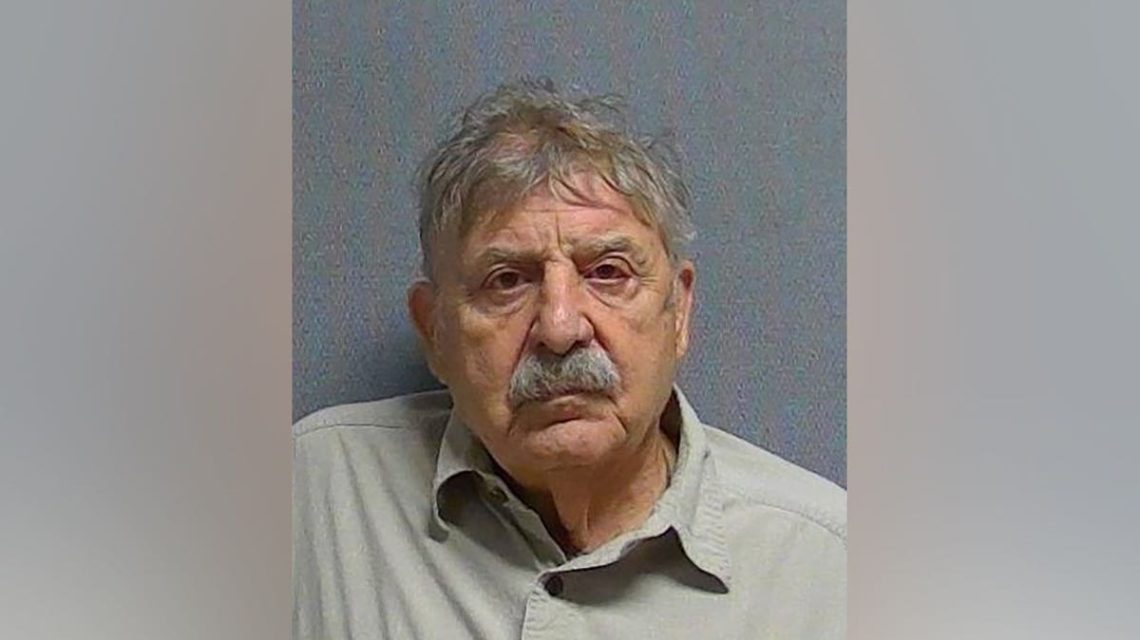
A confrontation at an Ohio dog park involving Emmanuel “Mike” Mathews, 81, has led to serious legal questions. Mathews faces a felonious assault charge for shooting David Mattai, 55, on April 21 in Bainbridge Township. Mathews has pleaded not guilty to the charge.
Legal Analysis and Self-Defense
Under Ohio law, defendants who contribute to initiating a conflict may lose their right to claim self-defense. Legal expert Michael Benza explained that because both men escalated the situation, determining self-defense becomes complex. Benza elaborated that self-defense hinges on subjective fear and perceived danger.
Both men could potentially receive self-defense rulings, or neither might. The jury could rule Mathews and Mattai at fault, negating self-defense claims.
Competing Accounts of the Incident
According to Mathews’ attorney, Ian Friedman, the encounter began as a verbal dispute over political views on Trump, escalating from verbal discord to physical altercation. Friedman stated that Mathews tried to leave the park and ensure his safety.
The argument began when Mattai overheard Mathews praising Trump and disagreed. After an initial altercation, Mattai drove away but returned shortly.
Friedman reported that, at a picnic table with his dog, Mathews prepared to depart when Mattai returned. Insults exchanged across a park fence led to a physical clash. Mattai allegedly pulled Mathews by the hair.
Witness Jamie Jedlinsky intervened, and both men returned to their vehicles. In the parking lot, Mathews allegedly placed a gun on his dashboard. Witnesses report Mattai retrieving his firearm and exchanging fire with Mathews.
Mathews did not sustain injuries, but Mattai suffered a serious gunshot wound. This required multiple surgeries and impacted his spine.
The Impact of Firearms on Legal Standing
Benza noted that introducing firearms alters the legal scope of a fight. Brandishing a weapon escalates the situation, potentially justifying defensive responses.
Ohio law removes the duty to retreat when legally present. Friedman emphasized that Mathews had no obligation to flee, arguing that Mathews acted out of fear, not political motivation.
Implications of Local Politics on the Jury
Benza mentioned that Geauga County’s political leanings might affect jury selection. Concerns arise about jury biases relating to Republican or Trump supporter sentiments, affecting fair trial perceptions.
Ultimately, the jury must decide if Mathews acted from a genuine, reasonable fear for his life. Mathews’ trial begins February 16, with potential sentences ranging from five to 15 years if convicted.
Mattai’s pretrial hearing is scheduled for October 28, at Chardon Municipal Court. He is open to pleading guilty or no contest for no jail time.
 The Ethical and Practical Challenges of Lethal Injection Procedures
  Failed Execution of Christa Pike Sparks Debate and Legal Questions
  Ex-CIA Official Guilty of Fraud and Abuse
  Inquiry Requested into DOJ’s Case Against Former Olympian
  Firing Squad Execution Decision for Nidal Hasan
  Supreme Court’s New Term Ruling on Sunoco Case