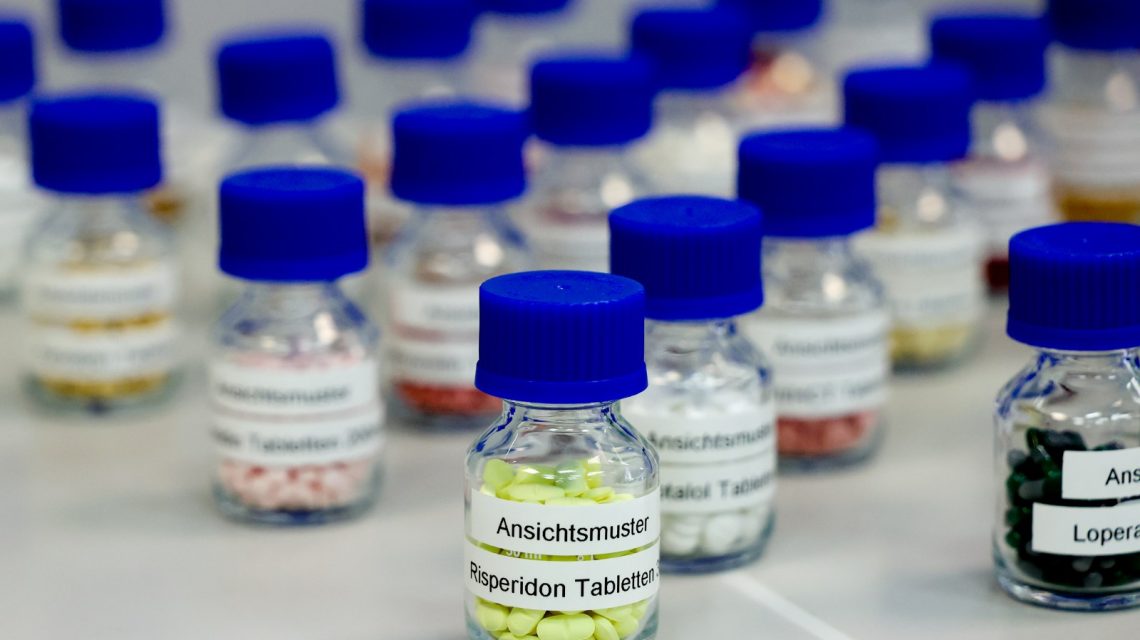
For over a year, German officials have resisted one of the Trump administration’s major reform attempts. President Trump’s patience with this has now expired.
The White House has asked allied countries to retract their price controls on prescription medications. If these nations paid market prices for drugs developed and produced in the United States, it would ease the burden on American patients, employers, and taxpayers. Currently, Americans fund a large portion of the research and development that benefits the rest of the world. Such changes would also boost America’s biotech sector and encourage more investment in job-creating research.
However, German leaders have refused to cooperate. The German government has recently intensified its price controls by enacting a law that increases the mandatory rebates biotech firms must provide to German insurers.
This development has forced the Trump administration to formally initiate a Section 301 investigation into Germany’s pricing practices. This process could lead to legally solid tariffs and other trade penalties on Germany unless their government agrees to President Trump’s proposed changes.
The investigation has a strong basis. Nonetheless, the administration should extend its focus beyond Germany. Many other major trading partners engage in similar unfair pricing practices detrimental to American patients and workers.
Japan sets low prices for new medicines and frequently cuts them further. France uses biased health technology assessments to justify setting prices far below market rates for innovative medicines.
Switzerland links reimbursements for new drugs to prices in low-income European countries and to older, less effective treatments. Swiss officials often review and reduce these reimbursements. Canada lacks crucial regulatory protections, allowing Canadian firms to replicate U.S. pharmaceuticals. They also set drug prices significantly below market rates, hindering companies’ ability to fund research and deliver life-saving medications.
For years, both Republican and Democratic administrations have criticized this foreign dependency, which deprives American companies of significant sales revenue. In 2018, if developed countries had paid U.S. prices for branded drugs, drug companies would have gained an extra $254 billion in revenue as per the Information Technology and Innovation Foundation.
This revenue increase would primarily benefit American companies, leading to an R&D investment boost that could create new U.S. jobs and several new drugs annually.
Germany is Europe’s largest economy, with over 83 million citizens, making it one of the most significant and influential pharmaceutical markets globally. Targeting it for the first Section 301 investigation is a logical move.
If Germany’s practices were tolerated further, it could embolden other nations to delay necessary reforms and attempt to outlast the Trump administration. More Section 301 investigations are crucial, and prompt actions can strengthen U.S. negotiators’ position to obtain concessions from foreign governments.
The Trump administration has shown that applying this leverage is effective. The United Kingdom recently agreed to increase its spending on innovative drugs as a share of GDP after facing a potential Section 301 investigation.
Ambassador Jeffrey Gerrish, who served as the deputy U.S. trade representative for Asia, Europe, the Middle East, and industrial competitiveness from 2018 to 2020, has expressed his personal views on this matter.
The Trump administration deserves recognition for taking decisive steps rather than merely expressing frustration as past administrations have. However, for the benefit of American workers and patients, this should only be the starting point. The U.S. cannot maintain its leadership in pharmaceutical innovation if it permits continual exploitation by other wealthy countries.
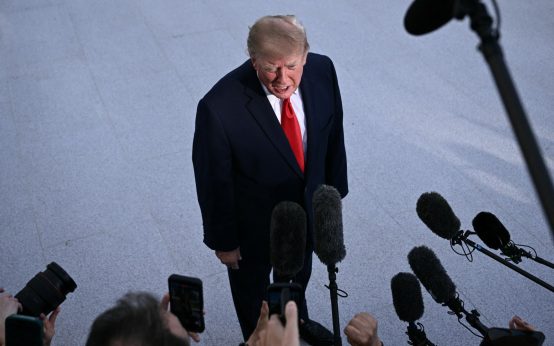 White House Videos Facing Legal Scrutiny Over Use of Federal Funds
 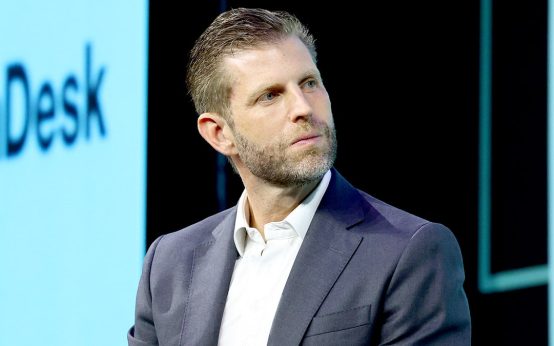 Eric Trump Supports Investigation into ABC News Story
  Zelensky Challenges Trump Over Russia Diesel Deal
 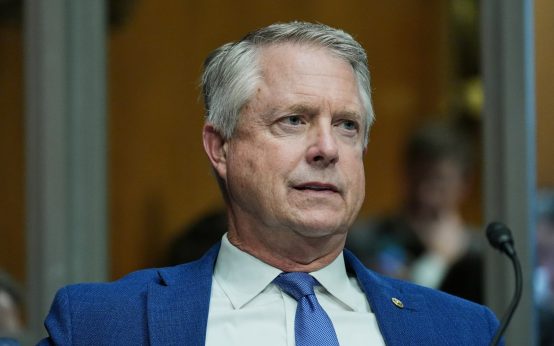 Trump Plans Rally to Support Senator Roger Marshall Amid Tight Kansas Race
  Michigan Senate Candidate Faces Scrutiny Over Family Ties
  Trump’s Diesel-Deal Feud with Zelensky Obscures a More Important Effort