
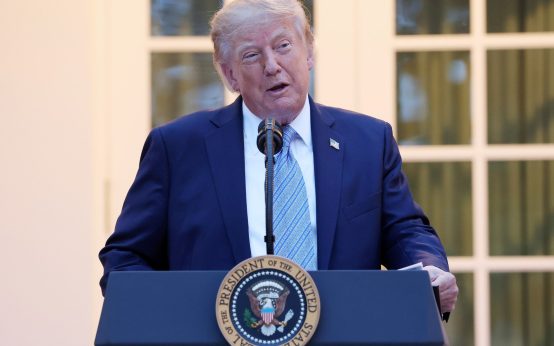
On August 27, 2026, President Donald Trump issued an executive order to rename Lake Ontario as ‘Lake America.’ He claimed that all necessary notifications had been made. This decision came amidst intensifying trade tensions with Canada. Ontario Premier Doug Ford had previously dismissed the suggestion as mere rhetoric.
Trump’s history with place renaming includes a 2025 executive order to call the Gulf of Mexico the Gulf of America and reverting Alaska’s Denali to Mount McKinley. Although these changes might seem minor compared to other national issues, the process of renaming places in the U.S. is formal and respected.
U.S. Board on Geographic Names
The U.S. Board on Geographic Names, part of the U.S. Geological Survey, standardizes place names. In 2015, Trump requested the board to update its policies to honor visionaries and patriots. Typically, the process starts locally, with residents proposing and gathering support for a name change. State-specific procedures apply.
Example: Bde Maka Ska
A notable example is Minnesota’s decision in 2018 to rename a significant lake to Bde Maka Ska, honoring Dakota oral history. The Minneapolis Park Board advocated for the change, and after county approval, the Minnesota Department of Natural Resources made it official for the state. The request then went to the Board on Geographic Names for nationwide recognition.
Renaming can take time. The Denali renaming took 40 years. Ohio representatives, loyal to President William McKinley from Ohio, consistently opposed the change. It wasn’t until President Barack Obama’s administration that Denali received official recognition, reflecting Alaskan traditions.
The Naming Authority
Input from State geographic names authorities, land management agencies, local governments, and Tribal Governments are actively pursued.
This policy guides the Board on Geographic Names. The Interior Department’s secretary, appointed by the president, plays a crucial role. Secretary Sally Jewell authorized Denali’s renaming in 2015 due to prolonged inaction by the board.
Legal Challenges and Objections
Objections to name changes can result in court cases. For example, some protested Bde Maka Ska’s renaming from Lake Calhoun. Minnesota’s Supreme Court eventually upheld the decision.
International Naming Considerations
Renaming outside U.S. borders presents different challenges. For instance, the Gulf of Mexico extends into international waters, complicating unilateral name changes. Although the U.S. Board on Geographic Names recognized the Gulf of America, each nation has the authority to decide its place names, and the U.S. lacks the means to enforce international compliance.
Official U.S. documents, maps, and signage now use the new names, but global mapping services like Google Maps display names according to viewer location. From the U.S., viewers see ‘Gulf of America’; from Mexico, ‘Gulf of Mexico’ appears. Users may adjust these settings manually to see other perspectives.
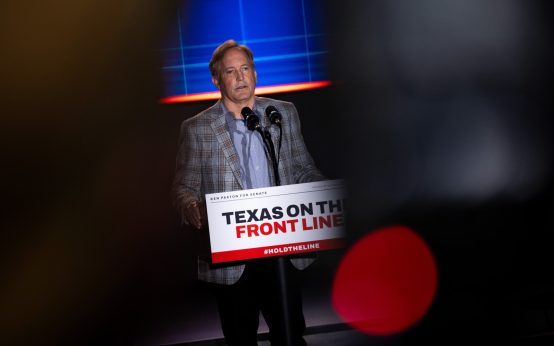 Texas Senate Race Tightens with Shifting Youth Support
 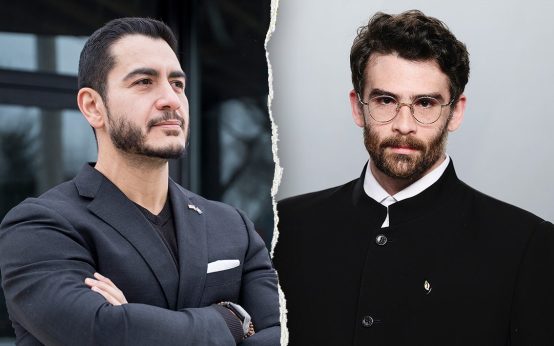 Flight 93 Hero’s Father Criticizes Ties Between Hasan Piker and Abdul El-Sayed
  House Races Shift Amid Democratic Momentum
 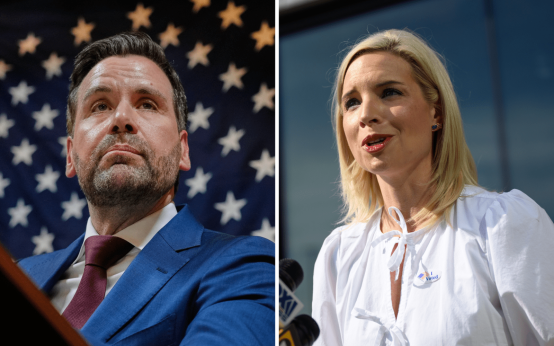 Iowa Senate Race: Marist Poll Shows Democrat Josh Turek Leading Republican Ashley Hinson
 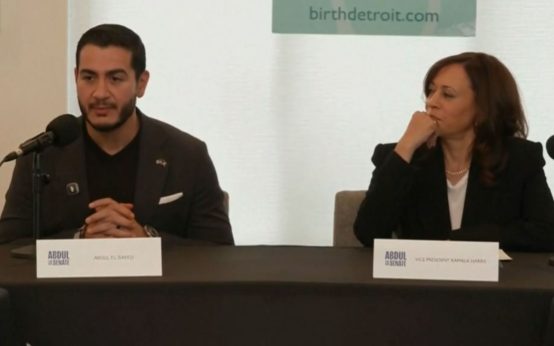 Kamala Harris and Abdul El-Sayed Campaign Together in Detroit
  Challenges Facing the Supreme Court’s Public Perception