Pentagon Spokesman Criticizes Release of Military Assessment
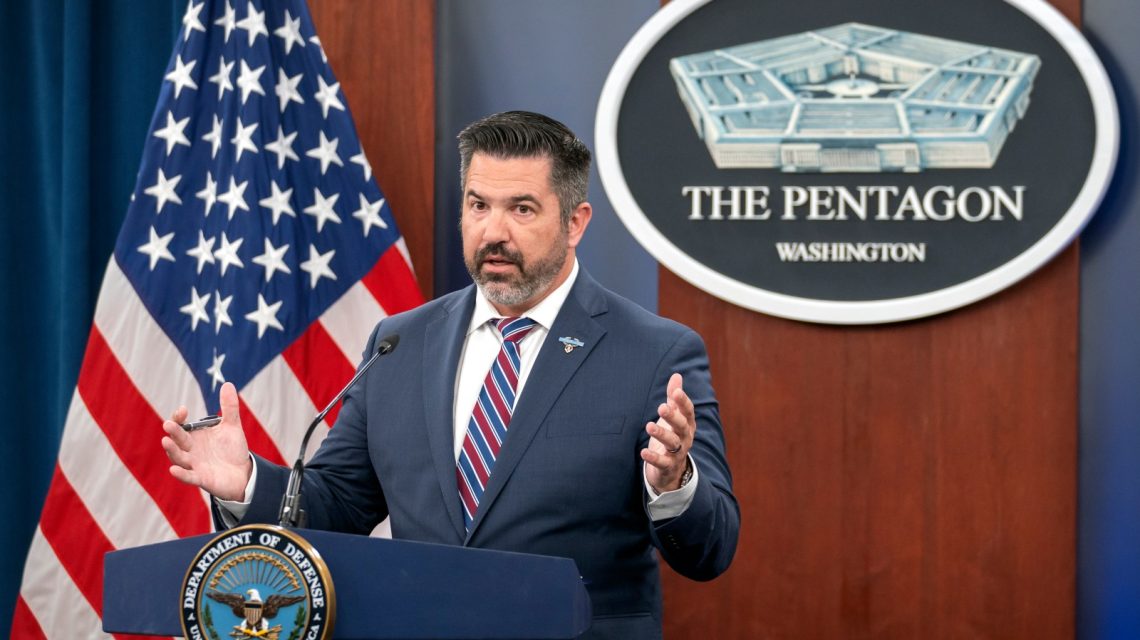
Chief Pentagon spokesman Sean Parnell recently criticized the release of a classified military assessment, highlighting a growing political and national security dispute over the U.S. war in Iran. The controversy intensified following The Washington Post’s report, which noted that top military commanders cautioned Defense Secretary Pete Hegseth about the strain of prolonged Middle East operations on U.S. forces.
Challenges of Military Strain and Transparency
The report suggested that extending deployments and reallocating resources to the Iran conflict are compromising the military’s readiness to safeguard other regions, including the U.S. homeland. The revelations emerged from the August 14 Secretary of Defense Orders Book (SDOB), detailing concerns from the Army, Navy, and Air Force leaders, along with several four-star commanders. They highlighted issues with supporting multiple theaters while engaging in a six-month conflict.
Classified Document Leak Sparks Controversy
In response to the Post’s report, Parnell referred to the information as “fake news” filled with inaccuracies. In a statement to Newsweek, he emphasized that Secretary Hegseth is working actively with military branches and command leaders to ensure efficient conflict deterrence and readiness. On X, Parnell condemned the release of classified assessments, calling it both “a crime” and “a betrayal of the force.”
“This fake news, poorly sourced reporting is full of inaccuracies, which is typical for the Washington Post,” Parnell stated.
Legal and Ethical Implications of Publishing Classified Information
The debate on whether publishing such assessments constitutes an illegal act arose. Post reporter Dan Lamothe argued that independent journalism is protected under the First Amendment unless it risks revealing sensitive operational details. Lamothe highlighted the importance of transparency, especially regarding war efforts funded by taxpayer money.
Concerns over Depleted Military Resources
The SDOB indicated that the Iran war is depleting U.S. military capabilities, impacting European, Pacific, and Southern Commands. Leaders of these commands stated that ongoing diversions of ships and aircraft have hindered homeland defense capabilities. Navy Admiral Daryl Caudle warned about the inability to maintain current operational support levels.
Both the Army and Air Force leaders supported extended deployments, but acknowledged the associated risks. Issues such as prolonged mobilization of the 82nd Airborne Division and the strain on Patriot missile units were highlighted. The depletion of resources like Patriot and THAAD interceptors, Tomahawk missiles, and Reaper drones limits the administration’s escalation abilities.
Trump’s Response to Information Leaks
Amidst the growing concerns over resource depletion, President Donald Trump threatened legal action against those leaking military information. Reports about depleted missile stockpiles fueled his backlash. The White House countered claims that the Iran conflict has drained munitions reserves, although significant military spending is underway to replenish supplies.
Future Developments
Congress is considering additional funding requests, including an $88 billion supplemental and a Pentagon budget surpassing $200 billion for the Iran conflict. Whether lawmakers push for greater transparency or more leaks emerge will influence how the conflict unfolds in the coming months.
For further information, contact Newsweek editors Hollie Silverman and Anthony Murray.
 Federal Appeals Court Decision Against Trump’s ‘Third-Country’ Deportation Policy
  President Trump’s Controversial Ban on Media Outlets Sparks Press Freedom Concerns
  U.S. Security Agreement in Greenland Sparks Optimism and Concerns
  Cook County’s Property Tax Bridge Loans
  A Controversial Stance on Immigration Policies Sparks Debate in South Carolina
  Trump Administration Challenges In-State Tuition for Undocumented Students