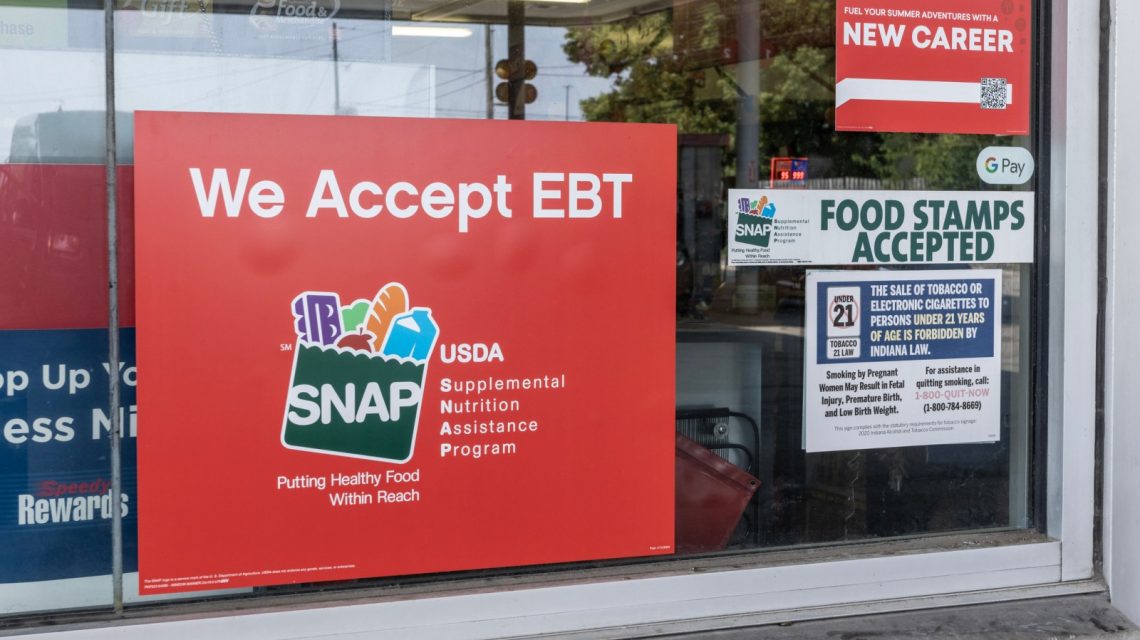
Planned restrictions on what Supplemental Nutrition Assistance Program (SNAP) recipients can buy have been postponed in South Carolina and North Dakota due to a federal court ruling that invalidated similar policies in other states. Both states were preparing to implement new SNAP food-purchasing restrictions in early September but will now delay until November 1. The U.S. Department of Agriculture (USDA) directed this postponement as it responds to the court decision and undertakes a public notice process.
SNAP benefits assist millions of low- and no-income households across the U.S. Several states have sought waivers from the USDA to ban the purchase of unhealthy food and drinks using benefits, a trend that began with the Trump administration in January 2025. South Carolina’s Healthy Food SC project was set for August 31, while North Dakota’s Healthy Choice Waiver was planned for September 1. The USDA approved both proposals in December 2025.
An August 25 letter from the USDA’s Food and Nutrition Administration (FNA) to South Carolina’s Department of Social Services explained that the Office of General Counsel and the Department of Justice are reviewing a court order that vacated five other states’ waiver approvals: Colorado, Iowa, Nebraska, Tennessee, and West Virginia. USDA did not comment on pending litigation. Public notice in the Federal Register is planned 30 days before implementation in South Carolina, prompting a request to delay until November 1 to allow for public feedback.
North Dakota received a similar letter, as reported by the North Dakota Monitor. Acting FNA Administrator Shiela Corley requested a postponement while USDA considers public feedback. Consequently, North Dakota’s Health and Human Services confirmed shifting the start date to November 1 at the federal agency’s direction.
Proposed Changes
Under current federal rules, SNAP benefits can cover fruits, vegetables, meat, dairy, breads, cereals, snacks, and non-alcoholic drinks. Alcohol, tobacco, hot foods, and non-food products are not allowed. Food-restriction waivers permit stricter rules by excluding more products.
North Dakota’s waiver intends to prevent using SNAP benefits for sweetened beverages, certain energy drinks, and candy. The state targets drinks with added sugar or artificial sweeteners under five grams and less than 50 percent juice, plus certain energy drinks. Examples include soda, sweetened tea, lemonade, sports drinks, and some bottled coffees, while milk, unsweetened beverages, and 100 percent juice remain eligible.
Similarly, South Carolina’s waiver targets candy, energy drinks, soft drinks, and sweetened beverages with different definitions. Diet and zero-sugar soft drinks remain eligible. Milk-based drinks, drinks with 50 percent natural juice without added sweetener, sports drinks, and beverages for medical use are excluded. The restrictions only apply to SNAP purchases; recipients may use other payments for these items.
Legal Battle
The postponement follows the June 22 Aragon v. Rollins decision, where SNAP recipients in five states challenged USDA’s approval of restrictions. U.S. District Judge Amy Berman Jackson sided with the plaintiffs, finding the USDA used incorrect legal authority and failed to issue a timely public notice. Although the decision vacated approvals for the five states, it did not affect North Dakota or South Carolina’s waivers.
Elsewhere, similar waivers are active in states like Arkansas, Florida, Idaho, Indiana, Kansas, Louisiana, Oklahoma, Texas, and Utah.
Federal Moves on SNAP Purchases
The waivers are part of a broader effort under the Trump administration’s Make America Healthy Again initiative to change SNAP nutrition guidelines. So far, 23 states have received approval, with restrictions varying from soft drink bans to broader exclusions, though five approvals were vacated by the court decision.
Agriculture Secretary Brooke Rollins has encouraged states to adopt these restrictions, expressing hope for nationwide coverage. Upon approving North Dakota and South Carolina’s waivers, Rollins emphasized a focus on nutrition rather than junk food.
Future Developments
For now, recipients in North Dakota and South Carolina will operate under current SNAP rules while the USDA completes its review before implementing new rules on November 1.
 FDA Proposal to Revise GRAS Notification
  Challenges in Maternity Care Accessibility in Arkansas
  AI Chatbots and Their Influence on Conversations About Suicide
  Understanding the True Impact of Heat-Related Deaths in the U.S.
  Young Mother Faces Rare Cancer After Misdiagnosis
  Rabies Alert in North Carolina After Petting Zoo Outbreak