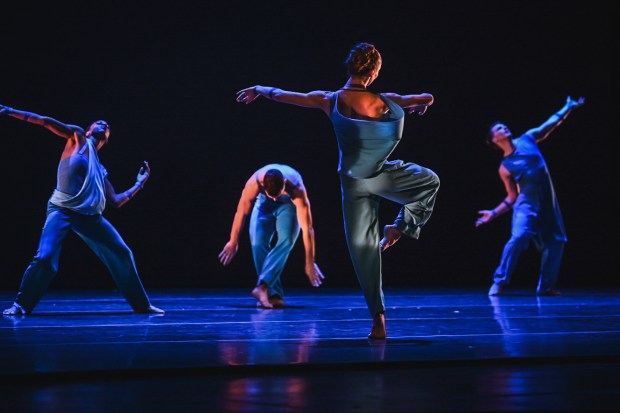
The Auditorium’s fall season is creating a buzz in the dance community, with Marisa Santiago at the helm. As the producing director of artistic programming at the 135-year-old venue bordering Chicago’s Loop, Santiago plays a pivotal role in curating the dance events. This year, she has successfully brought back the Dance Theatre of Harlem after a decade, with the company performing for one night in October.
In November, Ballets Jazz Montréal will make its Chicago debut. Their performance of “Dance Me,” celebrating Leonard Cohen’s music, is set to retire after this tour. The Auditorium’s programming has consistently garnered attention, featuring performances by renowned groups like the Martha Graham Dance Company during its centennial, Parsons Dance Company, and Tiler Peck and Friends. Long-standing partnerships with groups such as the Alvin Ailey American Dance Theater further enhance the lineup.
This season’s theme focuses on North American dance, including Dance Theatre of Harlem, Ballets Jazz and Ailey, and returning acts like Les Ballets Trockadero de Monte Carlo and Ballet Folklorico de Mexico. Though not the edgiest, these selections resonate with the Auditorium’s historic appeal. Santiago’s astute understanding of the Auditorium’s audience and context informs her decisions, aiming to preserve and celebrate the venue’s legacy.
Programming dance presents challenges. The audience for dance is smaller, and the costs are high. The presence of the Joffrey Ballet adds complexity, given its established reputation and the Auditorium’s historic connection to the Joffrey before its own permanent move to Chicago in 1995. Tania Castroverde Moskalenko, replaced by current CEO Rich Regan in 2019, further navigated challenges presented by the Joffrey shifting part of its calendar to the Lyric Opera House.
Santiago’s strategic approach involves filling the venue and revenue gaps left by the Joffrey’s reduced presence. This involves diversifying programming, attracting a broader audience, and fostering relationships with different promoters. Despite challenges, Santiago emphasizes the Auditorium’s commitment to dance.
A notable innovation is the “curtain cap” system. Drapes section off upper balconies, creating a more intimate environment suitable for dance audiences. Complimented by strategic pricing, it allows for expanding available seating if demand spikes, creating tangible opportunities for sell-out performances.
Efforts to engage donors include the Dance Partners group, instrumental in bringing performances like “Dance Me” to Chicago. Unlike past efforts to strongly favor local companies, Santiago integrates Chicago dance organically into the broader season lineup, focusing on artistic excellence and audience demand. Deeply Rooted Dance Theater remains an exception, capitalizing on the Auditorium’s stage.
Lauren Warnecke provides reviews and insights.
 Chicago Bulls Announcer Chuck Swirsky Meets Pope
  Chicago’s Dance Scene: An Overflow of Events and Performances
  The Legacy of the Williams Sisters: Dominance in Doubles
  Jewish Artists Support Mark Ruffalo Amid Antisemitism Allegations
  Tulsa King Season 4 Teaser Released: What to Expect
  Jim Thornton Suspended from ‘Wheel of Fortune’