
AI data centers are increasingly criticized in the United States, with accusations ranging from excessive water usage to contributing to higher electricity costs. These centers have become political targets due to various claims regarding their impact on local resources and communities.
Many of these concerns are based on outdated or misleading data. Some assertions about environmental effects rely on estimates that lack context or employ questionable calculations. This article aims to clarify these claims and explore why misinformation spreads so rapidly.
Host Megan McArdle discusses these issues with Andy Masley, a writer and former high school physics teacher. Together, they aim to differentiate between myths and legitimate concerns regarding AI data centers.
Environmental Impact of AI Data Centers
AI data centers are often believed to significantly drain local water supplies. However, the truth is more nuanced. While these facilities do require cooling using water, advances in technology have reduced consumption. Current methods are more efficient compared to earlier estimates, which were often inflated due to not accounting for these improvements.
Another common claim is that data centers lead to a temperature increase in surrounding areas. Critics argue this contributes to overheating in communities. While there can be localized heat from machinery, modern centers are designed with heat management solutions that limit external temperature rise.
Energy Consumption Concerns
Electricity usage is another area where AI data centers face backlash. High energy demands, especially from cooling systems, can impact local grids. However, many centers are exploring renewable sources to offset this consumption, reducing impact on non-renewable resources.
Furthermore, data center operators increasingly focus on energy efficiency, employing strategies like optimizing server loads and using chilled inlets, which decrease total energy use.
Spread of Misleading Information
Misunderstandings about AI data centers arise due to several factors. Outdated statistics continue circulating, contributing to fear among communities. Additionally, mathematical errors in reports further compound the spread of misinformation.
The prevalence of incomplete studies without peer review or contextual analysis heightens confusion. This makes it crucial for policymakers and the public to differentiate between accurate data and myths.
Conclusion
AI data centers undoubtedly have impacts on their environments; however, it’s essential to separate myths from reality. With technology advancing, these centers are increasingly capable of mitigating some of their adverse effects. Adopting sustainable practices and improving efficiency continue to be necessary steps.
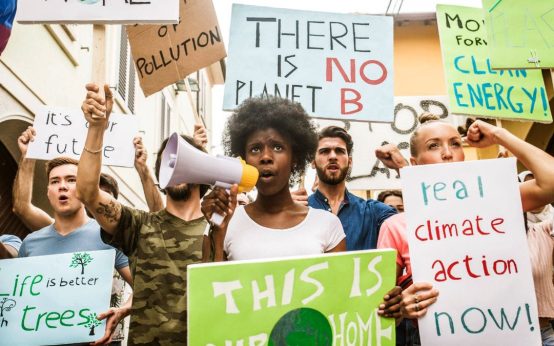 Political and Activist Opposition to Data Centers in the U.S.
  Debate Over AI Agents Escaping OpenAI’s Test Environments
  UN Concedes Loss in Preventing Severe Climate Change Effects
 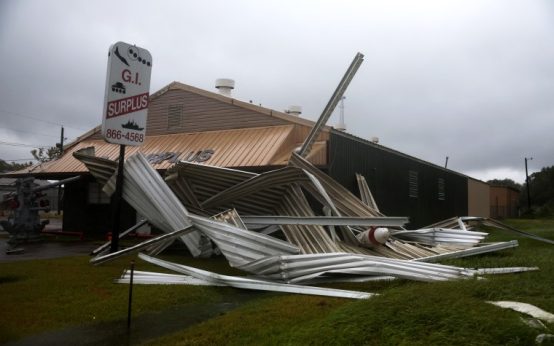 Former Tropical Storm Edouard Brings Heavy Rain and Wind to Texas
 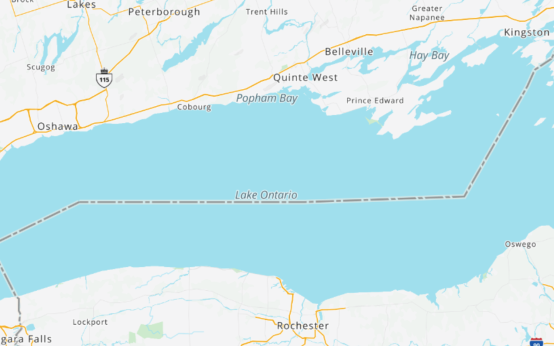 MapQuest Tops U.S. App Store By Retaining Lake Ontario’s Name Amid Trump Directive
  Joseph Illidge’s Vision for Comics and Creativity