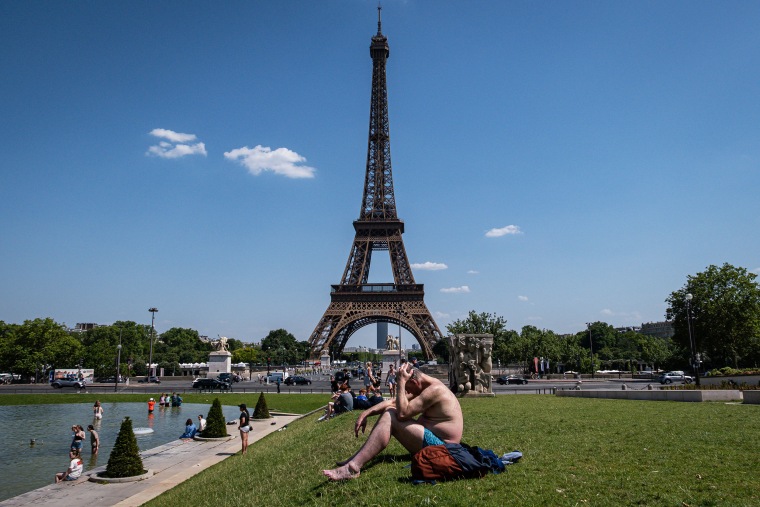
The United Nations has stated that Earth has missed the chance to avoid some of the most severe consequences of global warming. The focus now shifts to lowering temperatures below dangerous levels, as per the United Nations Environment Programme’s report.
Exceeding Agreed Temperature Limits
Owing to climate change from coal, oil, and gas consumption, Earth’s temperatures are set to surpass the limits set in the 2015 Paris climate agreement. In response, scientists and UN officials aim to limit further warming and then decrease temperatures to these agreed levels. But they caution this will entail severe environmental impacts for decades.
Humanity is speeding past the limit to avoid climate catastrophe.— United Nations Secretary-General António Guterres
The report suggests curbing fossil fuel use and employing technology to remove carbon dioxide from the atmosphere. This change in strategy acknowledges inevitable warming yet maintains hope for eventual cooling.
Understanding the Thresholds
Following the Paris Agreement, the UN investigated various warming levels. A primary focus was limiting warming to 1.5 degrees Celsius above mid-19th-century levels. At present, temperatures have risen nearly to this limit, marked at approximately 1.4 degrees above pre-industrial levels based on a 20-year average.
The outlook is grim; in a best-case scenario, temperatures could peak at 1.8 degrees Celsius around mid-century. Otherwise, current policies might lead to a rise of 2.6 degrees Celsius by the year 2100.
The Overshoot Tactic
Going forward, the UN emphasizes preparing for a future where the 1.5-degree threshold is breached, then reversed. This entails a strategy called “overshoot,” which predicts temperatures will exceed, peak, and eventually fall below 1.5 degrees by century’s end. Scientists stress the importance of minimizing peak temperatures and reducing the duration above the threshold.
1.5 target is still the goal. But now we need to approach it differently from above.— UNEP Executive Director Inger Andersen
Each fraction of a degree beyond 1.5 worsens damage, highlighting the urgency for emission reductions. Delays add more degrees to peak warming. Acting now can limit the overshoot period, experts emphasize.
Adapting to New Realities
Governments must adapt to worsening climate conditions, which disproportionately affect the poor. The “coping and containment” phase acknowledges unavoidably increased extreme weather, reduced food and water security, and threats to biodiversity.
The report indicates irreversible tipping points that could destabilize Antarctic and Greenland ice sheets, the Amazon rainforest, and Atlantic Ocean circulation, impacting global climate stability.
Carbon Removal and Future Efforts
Ending overshoot relies on removing carbon dioxide from the atmosphere; traditional methods like tree planting offer limited help. New techniques are needed, though costly and complex.
We were unable to stop the runaway train of global emissions to avoid 1.5 C of warming.— Stanford University climate scientist Rob Jackson
Rapid reduction and removal strategies are the best hope to reverse current trends, despite challenges in halting momentum and reversing damage.
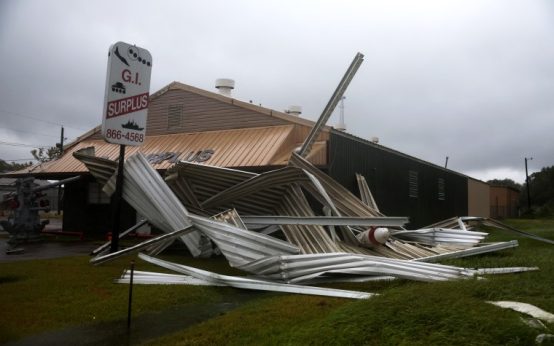 Former Tropical Storm Edouard Brings Heavy Rain and Wind to Texas
  Nations Face Narrowing Path to Avoid Climate Catastrophe
  Proposed Land Swap in Yosemite Park to Connect New Resort
 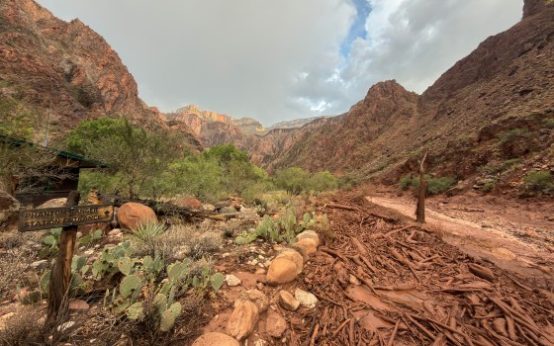 Recent Flash Flooding in the Grand Canyon Due to Climate Factors
  Potential Effects of Tropical Storm Marie
 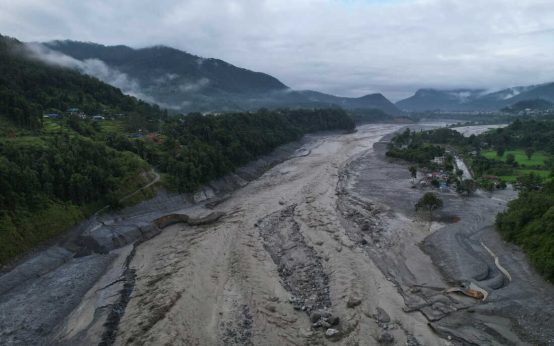 Flash Floods in Nepal & The Impact on Pilgrimage Sites