Russia’s Nuclear Capabilities
Russian President Vladimir Putin controls two significant nuclear arsenals. One consists of formidable weapons that could annihilate humanity multiple times over. The other arsenal, more imposing, lies within Russia’s civilian nuclear program, which remains a staple of Moscow’s power and prestige. Recent events highlight its impact.
Recent Developments
In the past 72 hours, Russia has achieved strategic moves in nuclear energy:
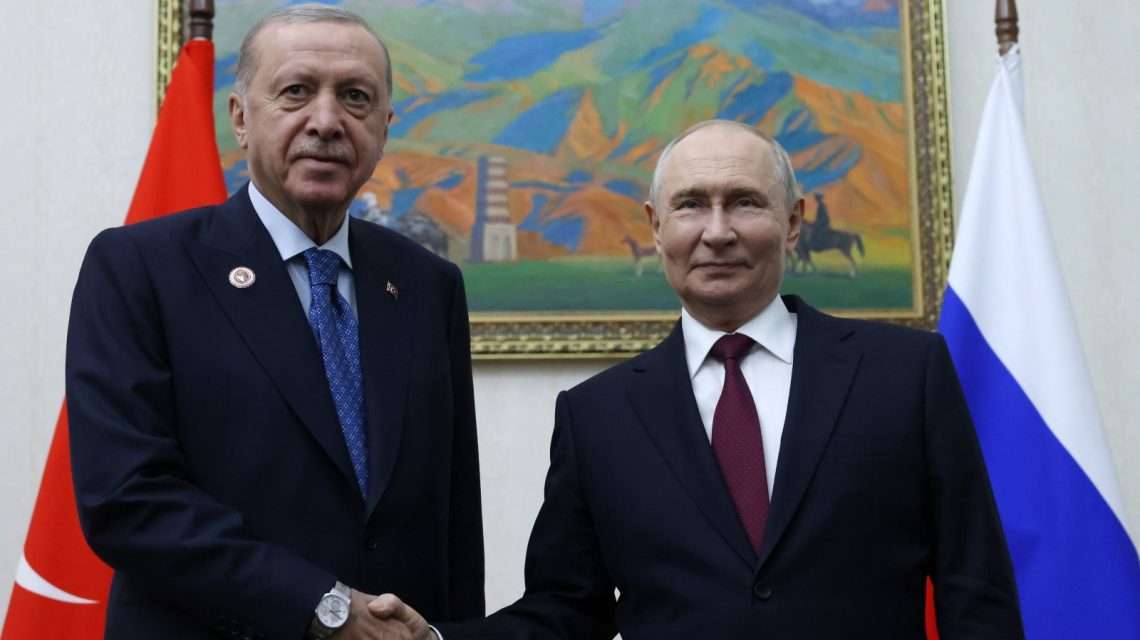
- Tuesday: Turkey, a NATO member, expressed interest in having Russia build multiple nuclear power plants.
- Wednesday: As U.S. missiles targeted Iran, Russian officials presented Tehran with a draft agreement for small nuclear reactors.
- Thursday: Russia’s state nuclear corporation, Rosatom, signed a deal with Kazakhstan to restore nuclear power to Central Asia’s largest state.
This non-military leverage allows Russia to embed itself into the infrastructure that foreign governments may rely on for many years.
Sanctions and Energy Dominance
While Western nations have focused on weakening Russian power to deter aggression in Ukraine, sanctions on oil and gas—Russia’s economic pillars—serve as key examples. Steps such as capping oil prices and blacklisting tankers aim to diminish Russian economy.
In contrast, nuclear power offers Russia a chance to incorporate its technology, fuel, and expertise into other countries’ infrastructure. Through Rosatom, Russia becomes entwined with critical energy systems that last decades.
Contracts vary, affecting the level of Russian influence. For Kazakhstan, Rosatom undertakes design, procurement, building, and commissioning of the Balkhash Nuclear Power Plant, providing fuel and expertise, while the plant will be managed by Kazakhstan’s Atomic Energy Agency. Conversely, projects in differing regions, like Egypt’s El Dabaa NPP, involve Russia’s deeper integration.
Global Reach and Strategic Deals
Rosatom leads by several measures:
- 20 Russian reactor units are under construction in seven foreign countries, including in NATO member Turkey, EU member Hungary, and China.
- Rosatom commands over a third of uranium-enrichment-services market and a fifth of nuclear-fuel supply globally.
- The U.S. Department of Energy places Russia’s global enrichment capacity at 44 percent.
Through these measures, Rosatom embeds Russian technology deeper into global energy futures.
Navigating Western Sanctions
While some Rosatom officials face sanctions, the corporation avoids blanket penalties suffered by Russian oil companies. The European Commission acknowledges complex dependencies that leave Rosatom exempt from EU sanctions.
Challenges remain:
- Sanctions impact equipment and funding, causing delays. For example, Turkey’s Akkuyu NPP—delayed due to frozen funds and withheld components—looks to operationalize in 2023.
- Hungary’s Paks-II NPP, initiated in 2014, experiences similar issues with needed components due to withheld export licenses.
Despite these challenges, Rosatom’s business grows. Its overseas order book increased 2.9 percent last year to $206.2 billion, reinforcing long-term commitments from foreign governments.
Conclusion
Overall, Russia’s mastery of civilian nuclear technology provides significant global influence. Many nations prioritize ongoing dealings with Moscow, as abandoning partially completed nuclear plants is not considered effective energy policy. This dependence on Russian nuclear expertise solidifies Russia’s international relevance.
Russia’s traditional military nuclear deterrents ensure its significance among global powers. However, the civilian nuclear program offers lasting value by positioning Russia as a necessary strategic partner.
 Protests in Spain Over Migrant Crisis
  Kuwait Reports Hostile Attacks Amid Rising Tensions with Iran
  Human Impact on Natural Ecosystems and the Tibet-Nepal Flood Disaster
  Moldova Faces Increasing Russian Pressure Amid Ukraine Conflict
  Iran Vows Continued Strikes Amid U.S. Retaliation
  US Launches Airstrikes on Iran Amid Escalating Tensions