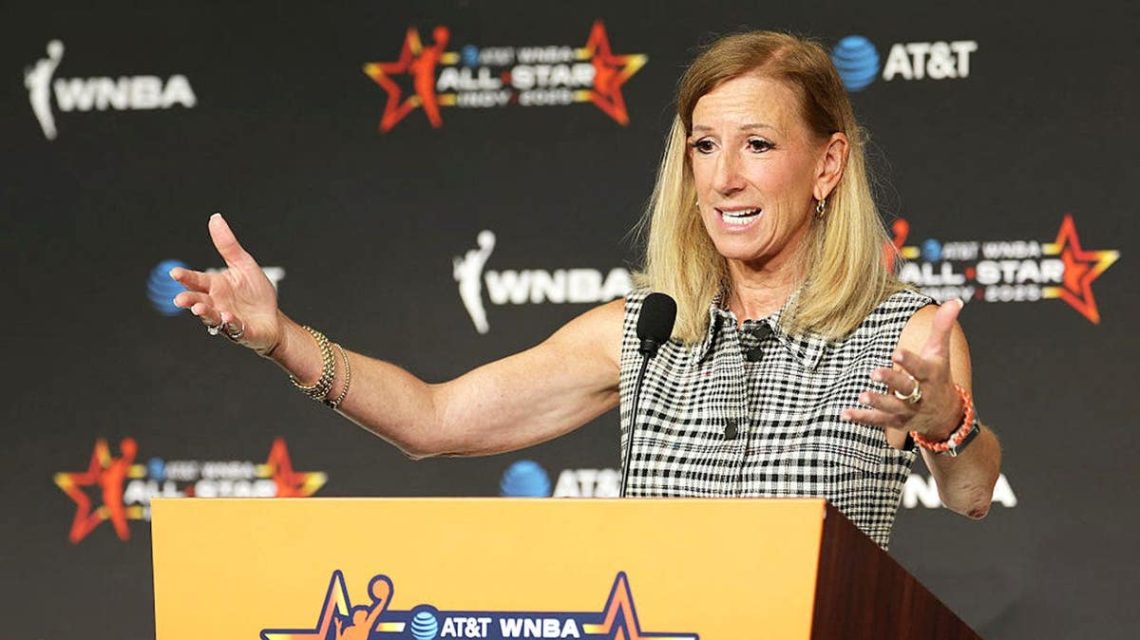
WNBA Commissioner Cathy Engelbert’s Announcement
On Friday, WNBA Commissioner Cathy Engelbert revealed her decision to retire after the 2026 season. Serving since 2019, Engelbert was the league’s first commissioner. During her tenure, the league expanded, signed major media rights agreements, and increased player compensation through a new collective bargaining agreement. NBA Commissioner Adam Silver acknowledged this period as the most significant growth for the WNBA. However, evaluating Engelbert’s contributions reveals complexities.
Revenue, Relationships, and Reputation
Being a commissioner extends beyond financial growth. Maintaining relationships with players is critical, and Engelbert’s term saw controversies in this area. She faced challenges in protecting the league’s reputation and handling controversies.
The ‘Wubble’ and Political Engagement
The COVID-19 pandemic in 2020 led to the creation of the ‘Wubble,’ allowing the WNBA season to proceed. This period also marked the league’s involvement in social justice initiatives. Players expressed support for movements like Black Lives Matter, which some fans found divisive. This shift intertwined the WNBA with political themes, altering its public perception.
Dearica Hamby Controversy
A significant controversy involved former Las Vegas Aces player Dearica Hamby, who alleged mistreatment during pregnancy. The league penalized the Aces, spotlighting how sports organizations handle pregnant athletes. This issue underscored concerns about the league’s alignment with women’s sports objectives.
Charter Flight Changes
Originally deemed financially unsustainable, charter flights became a contested issue due to players’ travel concerns. In 2024, recognizing changes in attention and security needs, Engelbert introduced league-wide charter flights. Yet, Caitlin Clark’s influence was pivotal in this shift, reflecting her impact on the league’s development.
Officiating and Caitlin Clark’s Impact
Caitlin Clark’s rise highlighted the WNBA’s officiating issues. Fans questioned her safety and the league’s handling of physical play. In response, Engelbert formed a committee to address officiating concerns, though her actions appeared reactive rather than proactive.
Compensation and Collective Bargaining
As the league gained popularity, compensation became a hot topic. Players sought fair revenue-sharing, evident during the 2025 All-Star Game. Negotiations resulted in a new agreement, but Clark’s role in attracting attention was crucial.
Criticism from Napheesa Collier
Napheesa Collier, a Minnesota Lynx star, criticized league leadership in September 2025. She highlighted issues with leadership, player safety, compensation, and communication, questioning the effectiveness of Engelbert’s administration.
Transgender-Athlete Discussions
Engelbert’s tenure engaged with the sensitive issue of transgender athletes in women’s sports. Despite forming a task force, the league’s political positioning remained controversial, as it struggled with broader ideological debates.
Summary of Engelbert’s Legacy
Engelbert led the WNBA through significant transformations, yet her administration witnessed a turbulent relationship with politics and controversies. While advancing the league economically, the political involvement and unresolved issues leave questions about her legacy. The need for a unifying leader who emphasizes basketball remains critical for the future of the WNBA.
 Berkeley Softball Allegations Raise Concerns Over Coach Conduct and University Response
 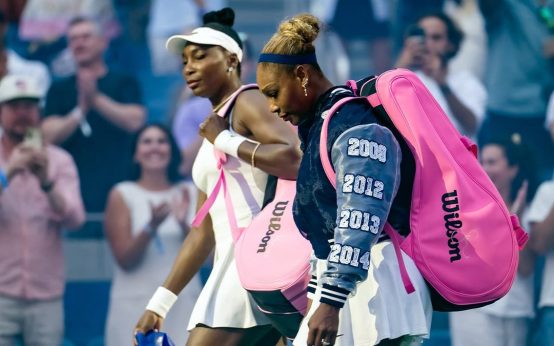 Venus and Serena Williams Return to US Open for Thrilling Match
  AI Enhances U.S. Open Experience with Real-Time Insights and Analysis
  Swanson’s Oblique Strain and Cubs’ Pitching Strategy Update
 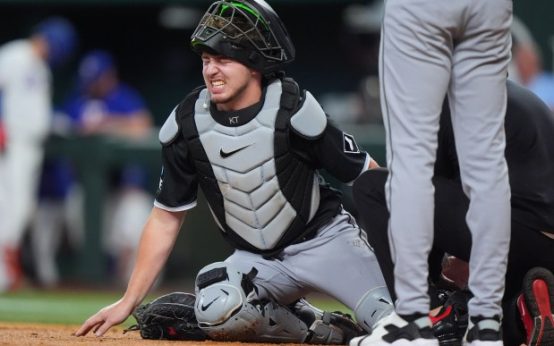 Kyle Teel Returns to White Sox Lineup After Series of Injuries
  Liverpool Triumphs over Ipswich with Isak’s Early Goals