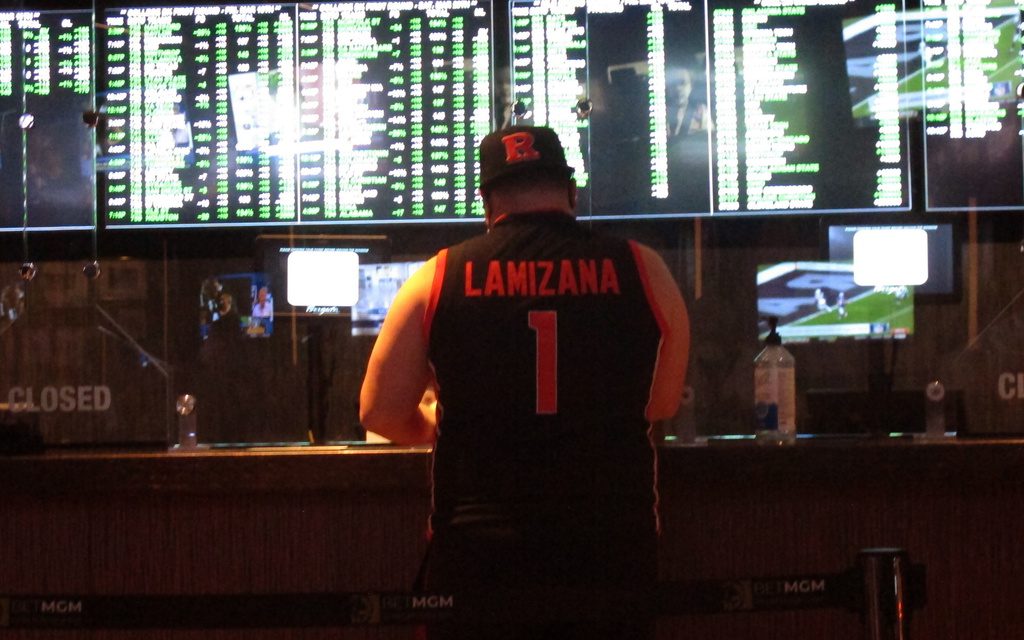
College athletes often face abusive messages from sports fans and bettors. The issue is widespread, with high-profile athletes frequently targeted. For instance, Florida State forward Cam Corhen received hateful messages after scoring two points due to an injury. Similarly, North Carolina forward Armando Bacot was harassed following the legalization of player prop bets.
One-third of high-profile athletes receive such abuse from individuals with betting interests. These students must balance rigorous training, competition, and academic performance while maintaining public profiles for Name, Image, and Likeness (NIL) opportunities. The pressure to build a public profile often conflicts with the need to avoid online abuse.
Federal legislation could address this growing issue by establishing a national registry of banned bettors convicted of harassment. Such laws would enable athletes to sue repeat offenders. Prop bets, which allow wagers on individual stats, exacerbate the problem by encouraging targeted harassment.
Advocates suggest banning college sports betting, but this is unlikely due to opposition from the gambling lobby. Current measures like awareness campaigns fail to provide adequate protection. Legal frameworks are inconsistent across states, making comprehensive protection difficult.
To solve this, Congress should enact federal standards against harassment linked to sports betting. Proposed penalties include criminal charges for causing emotional distress and banning convicted individuals from betting. Legislation could also allow athletes to sue for damages, addressing financial frustrations tied to lost wagers.
While some may argue that these measures limit free speech, the focus is on preventing threats and harassment, not performance criticism. The Supreme Court has ruled that threats and intimidation are not protected speech.
A federal approach would standardize accountability, overcoming the limitations of state systems. College athletes face pressure while competing, but should not face abuse. The solution requires not just awareness, but accountability and commitment to protecting athlete well-being.
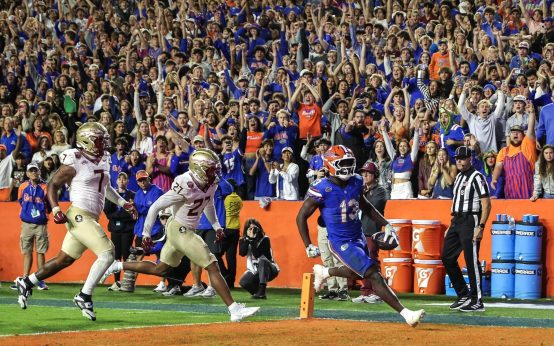 College Football’s Iconic Stadium Nicknames
 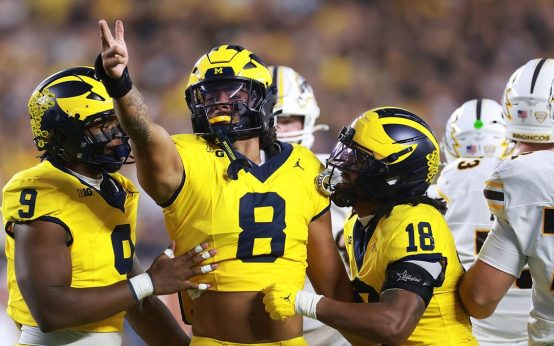 Netflix’s New Sports Strategy and Michigan’s Football Drama
 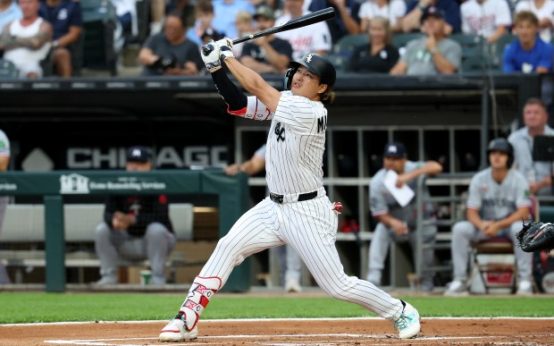 Chicago White Sox Fall to Minnesota Twins Despite Early Home Runs
  Iva Jović Triumphs Over Alex Eala at U.S. Open
  Tuba Player’s Unique Encounter at College Football Game
  Patrick Mahomes Sr. Seeks Permission to Attend Son’s NFL Games