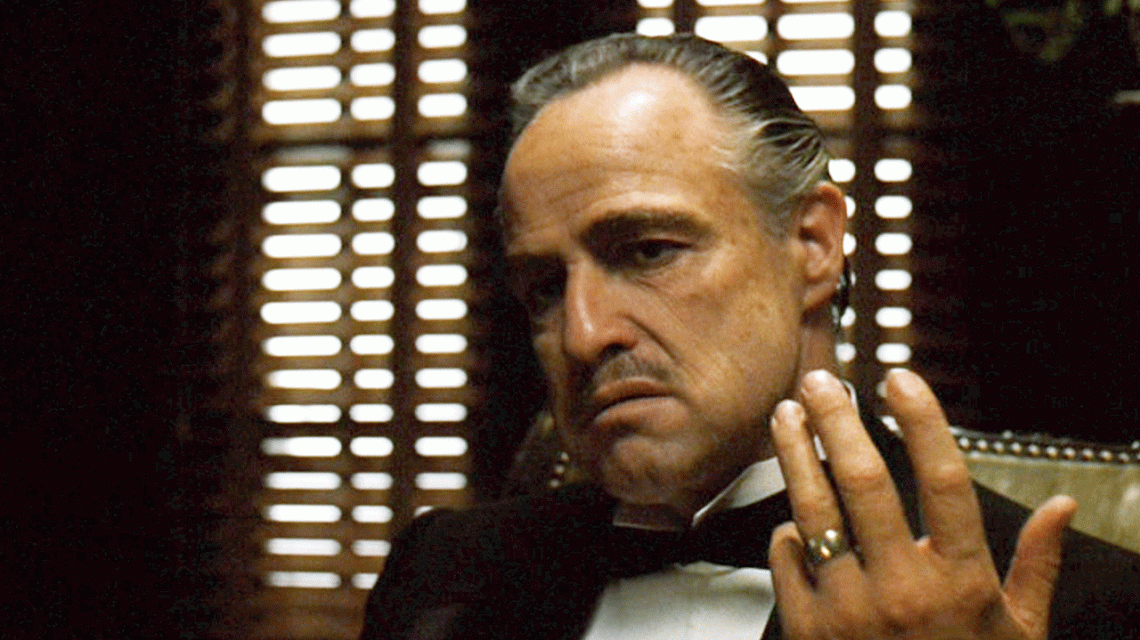
In the movie “The Godfather,” there is a scene where Don Vito Corleone warns the heads of crime families that he will hold them accountable if his son Michael suffers harm under suspicious circumstances. This offers a lesson for NATO and the EU in addressing suspicious activities linked to Russia.
Russia’s Potential Threats
NATO and EU must revise their approach to incidents suggesting Russian involvement. Examples include:
- If a drone enters an Eastern European country, assume Vladimir Putin is responsible.
- If a power cable is cut in the Baltic Sea, assume Russian involvement.
- Should a cyberattack disable a government network, presume Moscow’s hand in it.
This perspective suggests reversing how the West traditionally handles such cases. Rather than waiting for undeniable evidence, the initial assumption should be that Russia is behind these actions until proven otherwise.
Challenges of Current Approaches
Western nations often hesitate without clear evidence, a tactic Russia exploits. Turning uncertainty into an ally, Russia uses gray areas to weaken responses. Each incident is treated as an isolated event, limiting decisive action. As a result, investigations drag out, and little changes.
Reimaging Response Strategies
The West must adopt an approach where suspicious acts that threaten NATO or EU members are attributed to Moscow unless evidence shows otherwise. Actions should impose asymmetric costs on Russia, targeting valued aspects without mirroring attacks. For instance, this could mean disrupting Russian operations or financial networks.
Responses should not always be publicized. Similar to Russia’s covert actions, the West can act quietly, ensuring that Putin understands there are repercussions without revealing specific actions.
Practical Deterrence
Deterrence stems from demonstrating resolve rather than proving responsibility beyond doubt. Current policies risk emboldening Putin by signaling an inability to respond to anything short of a visible invasion. Changing this dynamic requires readiness to respond forcefully and quietly when necessary.
Europe needs to align its security strategies to dissuade further aggressive actions by highlighting the costs associated with Russia’s ongoing provocations. A strong presumption of Russian responsibility should guide these actions, promoting security and resilience among allied countries.
 White House Launches Trump TV Amidst Press Dispute
  Media Organizations Sue Trump Administration Over Press Access
  Venezuelan Leadership at the United Nations
 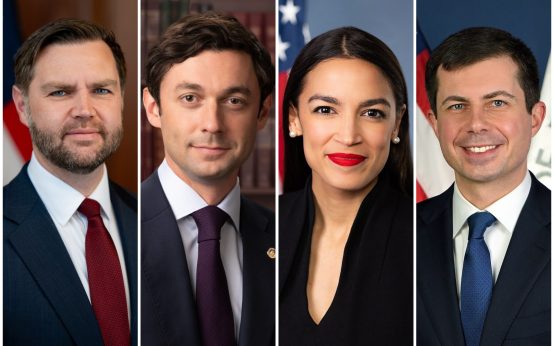 VP JD Vance Trails Potential Democratic Contenders in Early Polling for 2028 Election
  Rising Beef Prices: Causes and Policy Responses
  The Push for Permanent Daylight Saving Time