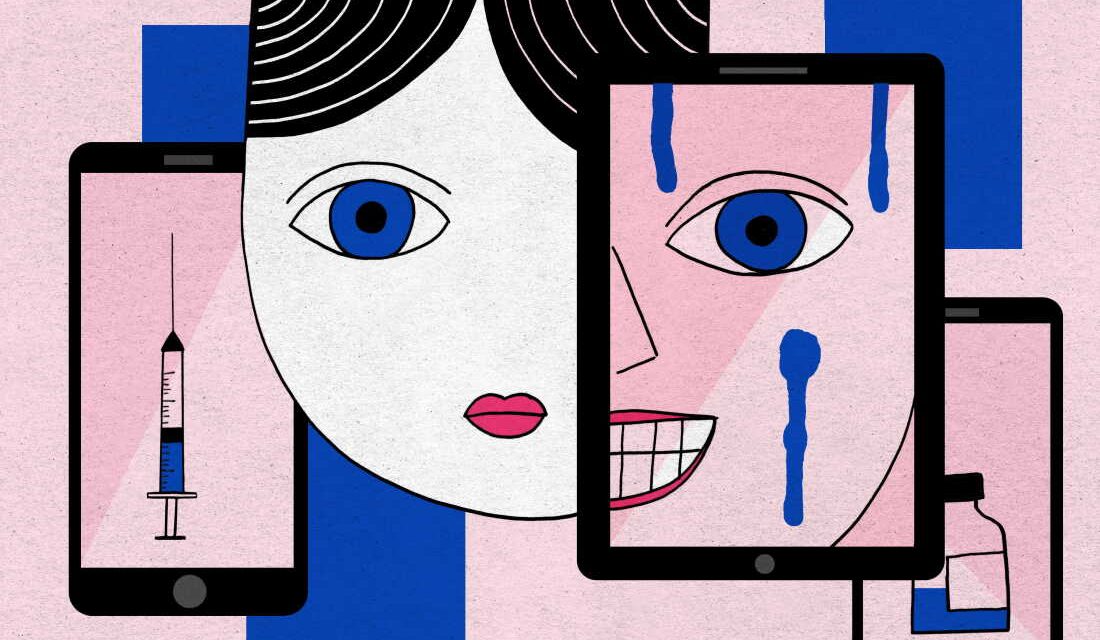
Copper peptides, particularly GHK-Copper, have become popular in social media skincare tips. Users are applying the blue solution on their faces and even injecting it with syringes. Known for promises of firmer skin and anti-aging advantages, GHK-Cu reflects the widespread interest in peptides within wellness circles. Although not a certified drug, it boasts significant scientific backing.
How Copper Peptides Work
Topical copper peptide creams and serums have been on store shelves for decades, supported by human trials. Recently, people have opted for subcutaneous injections instead of typical skin application. Frequently, GHK-Cu is combined with other peptides advertised for tissue repair. No human studies confirm the safety or efficiency of this injection method. Risks increase as many obtain these injectables from unauthorized online sources.
A Historical Overview
GHK-Cu’s history dates back fifty years. Chemist Loren Pickart isolated GHK, a trio of amino acids, in the 1970s. He discovered blood from young individuals revitalized liver cells. Comparing samples from students and older professors revealed that GHK levels decrease with age. Research shows GHK-Cu boosts collagen and initiates new blood vessel growth, offering anti-inflammatory benefits. Human trials funded by cosmetics companies indicate improvements in skin elasticity and thickness, reduced wrinkles, and enhanced hair growth.
Scientific Expertise
Dr. David Goldberg, from the Schweiger Dermatology Group, confirms GHK-Cu’s effectiveness in promoting collagen, essential for skin structure. It ranks alongside topicals like Vitamin C and antioxidants. Preclinical studies hint at broader uses beyond skincare. Animal research suggests the peptide can accelerate wound healing and organ repair. However, attempts to validate these findings in human trials haven’t materialized, partly due to potential patent challenges.
Regulatory Concerns and Safety
The absence of FDA approval for GHK-Cu as a drug has spurred interest among consumers seeking advice from healthcare professionals. Dr. Marisa Garshick, at MDCS Dermatology, warns of injectable risks like system overload and immune reactions. Concerns revolve around procurement from unregulated sellers, lacking quality assurance. The Trump administration signaled potential regulatory adjustments.
Dr. Erik Marks, from Vitality Medical PNW, observes patients self-injecting before consulting. Issues range from irritation and infections to liver-related complications. Often the source or impurities are unknown. Marks finds topicals generally outperform injections for skin and hair enhancements. He stresses that peptides should not be seen as quick solutions.
 Navigating the Challenges of Genetic Testing in IVF
  A Journey Through Adversity and Resilience
  Understanding Postpartum Psychosis: A Personal Story and Broader Perspective
  Benefits of Aging in Place with Retirement Home Care Programs
  Long-Term Health Impacts on 9/11 First Responders
  The Challenges of Egg Freezing and Family Planning in the U.S.