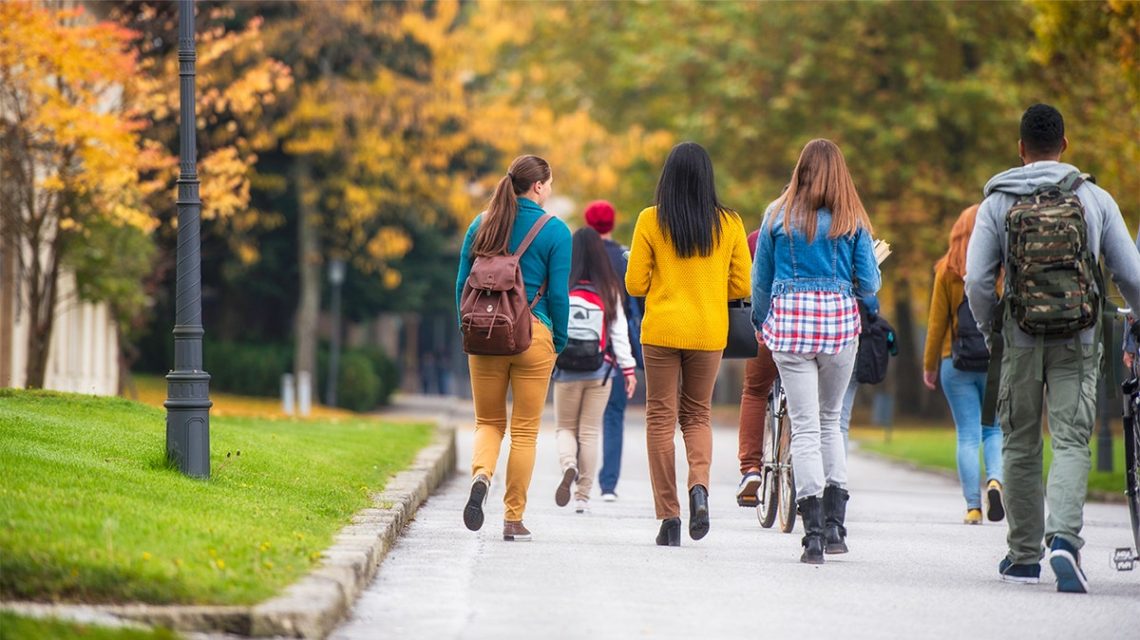
The United States currently faces a challenge with nearly 7 million unfilled jobs. Some positions remain vacant due to a lack of candidates with the necessary technical skills. However, business owners report that many applicants struggle with essential traits. They have difficulty showing up on time, taking initiative, accepting constructive criticism, solving problems, and handling setbacks.
Politicians and analysts often blame globalization and automation, but these are not the root causes.
The Classroom Crisis
This issue originates not in the workplace but in the classroom. Schools seem to have abandoned one of their fundamental duties: character development. Resilience, responsibility, perseverance, and initiative are vital traits that schools no longer emphasize. Instead, the focus shifted toward prioritizing children’s feelings over their performance.
Jonathan Turley highlights how the focus on feelings over performance affects students’ ability to read effectively. Harvard students revolted against new grading policies, labeling them as racist, examining the tension between performance and self-esteem.
The Impact on Performance
In many cases, educators are discouraged from issuing failing grades or providing honest feedback. Participation trophies have taken the place of real accomplishments. Inflated grades substitute true excellence, putting more emphasis on protecting self-esteem over preparing students for adult challenges.
Confidence grows when a child overcomes challenges through effort, not when praise is given without merit. Eliminating homework and lowering standards might reduce stress but do not contribute to character-building.
The Consequences in the Workplace
Many classrooms operate under a standardized, risk-averse approach, which shapes a generation with diminished expectations. Gen Z finds the American dream increasingly elusive due to limited personal accountability and high expectations without corresponding effort.
Young employees often lack self-demand because the educators around them expected too little for years. Employers now face trends like quiet quitting and frequent grievances, as feedback often leads to seeking redress rather than improvement.
The Root of the Issue
Schools attempt to shield students from disappointment and adversity, but these are inescapable aspects of life, vital for learning and growth.
“Education should prepare students for reality, not shelter them from it.”
Children must understand responsibility, character through discipline, humility, and responsibility. Without these lessons, adulthood becomes a cycle of blaming others for personal setbacks.
A Necessary Shift in Education
The workforce today benefits from the traditional work ethic of older generations, who viewed work as an obligation, not an emotional experience.
While social-emotional learning and identity-based curricula receive emphasis, virtues like morality, humility, courage, and personal accountability are rarely taught. These qualities once characterized American workers.
The frustration of employers towards young workers is misplaced if they solely blame them. The root of the issue lies in the educational system, where standards were lowered long before these graduates sought employment.
The battle between personal responsibility and collective grievance emerged in classrooms. The solution also lies in education, which holds the key to reversing this crisis.
Marissa Streit is CEO of PragerU.
 First Day of School Traditions Across the U.S.
  Event with Author Cancelled Due to Controversial Past Statements
  Ohio State University Faces Allegations of Incomplete Disclosure of Foreign Ties
  Success Academy Sues NY State Over AP Exam Data
  Chronic Absenteeism Linked to Educational Decline
  Wesleyan University President Responds to Proposed Changes in Tax-Exempt Status