Homeland Security Secretary Markwayne Mullin recently shared insights on federal efforts aimed at combating alliances formed between terrorists and Mexican cartels. On ‘The Sunday Briefing,’ Mullin discussed evolving threats, including those from cyberattacks and drones, and addressed calls by progressive lawmakers to cut funding for border enforcement agencies.
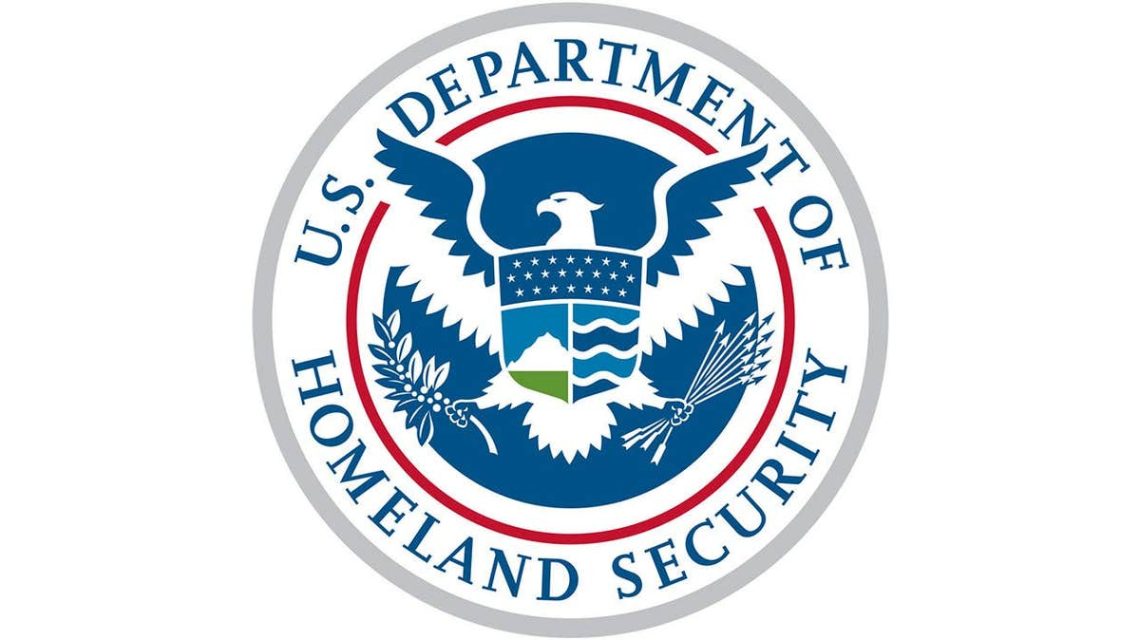
One significant change at the Department of Homeland Security (DHS) is the modification of its seal. Previously, the seal depicted an eagle clutching a palm leaf in one talon and a bundle of arrows in the other. The new design has the eagle facing the arrows instead of the palm, symbolizing a shift from peace to a readiness for war. Mullin stated this alteration reflects DHS’s continuous battle against threats to the nation.
The department is engaged in ongoing conflict against forces targeting the United States, including Islamic terrorists and drug cartels.
The DHS seal features an eagle with a shield on its breast, divided into air, land, and sea elements representing the American homeland. The sky section with 22 stars symbolizes the original entities that joined to form DHS.
Mullin expressed concern over the evolving threat landscape, encompassing terrorism, cartels, cyberattacks, drones, and threats against public officials. He emphasized the significance of the eagle’s direction, noting that facing the palm signifies peace, whereas facing the arrows represents wartime readiness.
Mullin highlighted terrorism as the foremost threat to the homeland. Unlike before, terrorists are now collaborating with cartels. He underscored the severity of the fentanyl overdose crisis, which has claimed more lives than the Vietnam War. Mullin commended former President Donald Trump for labeling cartels as Foreign Terrorist Organizations.
The Homeland Security chief mentioned the alliance between Islamic terrorists and Mexican cartels that maximize resources to target the U.S. He also warned about drone attacks, emphasizing their accessibility and capability to bypass traditional security measures.
Discussing political threats, Mullin noted the dangers faced by public figures, especially during the campaign season. He advocated for tolerance and respect for diverse opinions, warning against silencing dissent through violence.
The cyber threat landscape has also become increasingly perilous, with entities from Iran, North Korea, China, and Russia leading numerous cyberattacks weekly. Mullin underscored the necessity for agility in adapting to changing threats.
Every day brings new risks, and countering them requires constant vigilance across cyber, land, sea, and air domains.
Max Bacall, covering media and culture for Fox News Digital, contributed additional insights on the ongoing challenges faced by Homeland Security.
 Michigan Senate Candidate El-Sayed Calls for Diplomatic Efforts Against Cartels
 Tight Senate Race in South Carolina with Graham and Andrews Deadlocked
 Federal Judge Rejects DOJ’s Request on Noncitizen Voting in California
 Democratic Scheme in Alaska’s Senate Race Raises Eyebrows
 Federal Judge Denies DOJ Request to Set Aside Noncitizen Ballots
 Federal Judge Denies Request to Block Ballot Counting in California