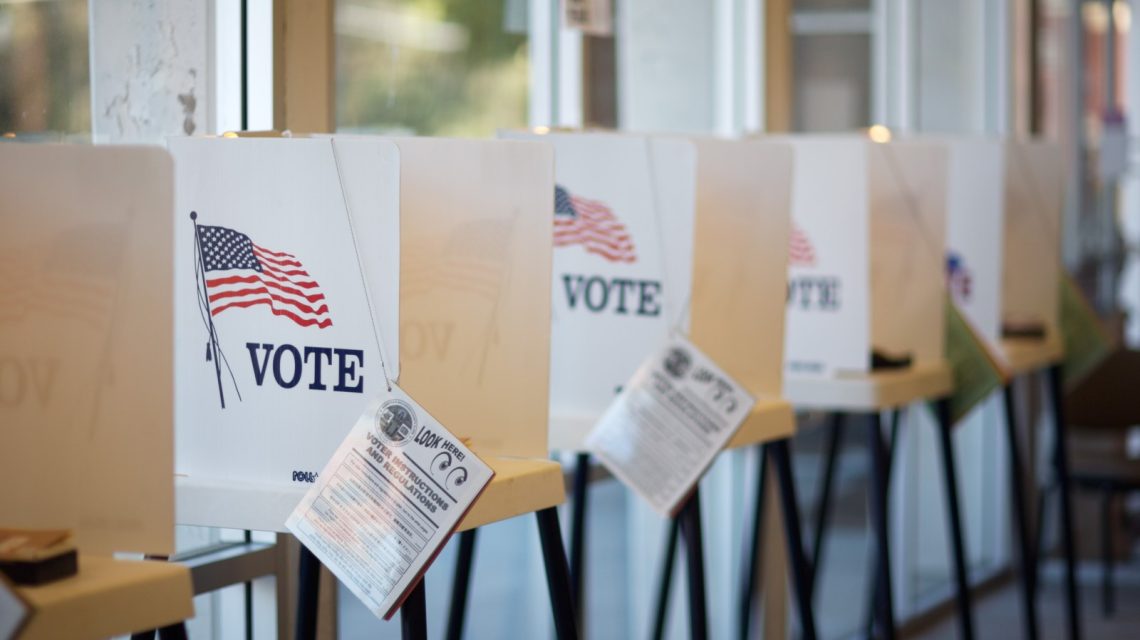
A federal judge in California has denied a request from the Department of Justice (DOJ) to have election officials set aside about 20,000 ballots allegedly cast by noncitizens. The judge deemed the attempt a threat to democracy and demanded it be halted.
The federal government sought a temporary restraining order against California and Los Angeles County election officials to segregate ballots while litigation is ongoing. Judge David O. Carter of the U.S. District Court for the Central District of California wrote, “If the Executive can discount votes and threaten an ongoing election due to unproven allegations, then our democracy is in danger.” He emphasized that segregating votes could cause irreparable harm to trust in the democratic process.
The order noted that “eroded trust in our democracy is irreparable. Once a vote is segregated, lasting harm has occurred.”
The judge pointed out that the DOJ had not shown a likelihood of success on the merits of its claims and warned that segregating votes could “wreak havoc, disrupt the election that is already underway, create a chilling effect on election workers and voters alike, and discount the votes of United States citizens.”
The DOJ has filed at least 31 federal lawsuits seeking complete voter rolls and has not succeeded in any so far. Judge Carter also questioned whether the federal government had standing to pursue such a relief and if federal law allowed the court to intervene as requested.
Reasons for Rejection
The judge concluded that federal laws prohibiting noncitizens from voting do not clearly override California’s election procedures. The government failed to establish that federal law preempts the state’s ballot-counting processes or requires the segregation of ballots based on the DOJ’s list.
Carter highlighted inaccuracies in citizenship databases and cited previous attempts to identify noncitizen voters that resulted in false positives. He stressed that altering election procedures amidst voting could confuse officials and risk disenfranchising lawful voters.
The “Purcell principle,” from the Supreme Court’s 2006 decision in Purcell v. Gonzalez, played a critical role. This principle discourages last-minute changes to election rules near an election, as such changes can lead to voter confusion.
Federal courts often invoke this principle in disputes involving ballot procedures and voter eligibility. The judge was unwilling to force the alteration of established procedures during an active election.
Debate Over Noncitizen Voting
The case arises amid a larger debate over noncitizen voting. Federal law prohibits noncitizens from voting in federal elections, and such voting remains illegal. However, identifying noncitizens without mistakenly flagging eligible voters, especially naturalized citizens, remains challenging.
Carter stated that if the federal government believes certain individuals voted unlawfully, existing criminal enforcement mechanisms are available. He suggested focusing on investigations and prosecutions of specific cases when evidence is present, instead of segregating thousands of ballots.
For the moment, California election officials are permitted to continue counting ballots under existing state procedures while the lawsuit goes on.
Reasons for the DOJ Lawsuit
Earlier this month, the federal government provided California officials a list of over 20,000 names, demanding a 48-hour review. California declined to implement requested measures in the given timeframe, leading to a lawsuit against California Secretary of State Shirley Weber and Los Angeles County Registrar-Recorder Dean Logan.
The government’s complaint indicates that U.S. Citizen and Immigration Services (USCIS) used internal data to identify possible matches between registered voters and alleged noncitizens. Investigators aimed for “high-confidence” matches, backed by multiple identifiers.
The DOJ spokesperson indicated a manual verification process was ongoing, with around 20,000 potential noncitizens identified. This number might increase as more verifications occur.
Despite these assertions, the DOJ did not definitively establish that those identified were noncitizens.
 Tight Senate Race in South Carolina with Graham and Andrews Deadlocked
 Democratic Scheme in Alaska’s Senate Race Raises Eyebrows
 Federal Judge Denies DOJ Request to Set Aside Noncitizen Ballots
 Federal Judge Denies Request to Block Ballot Counting in California
 The Impact of Gerrymandering on American Politics
 Senate Race: A High-Stakes Contest