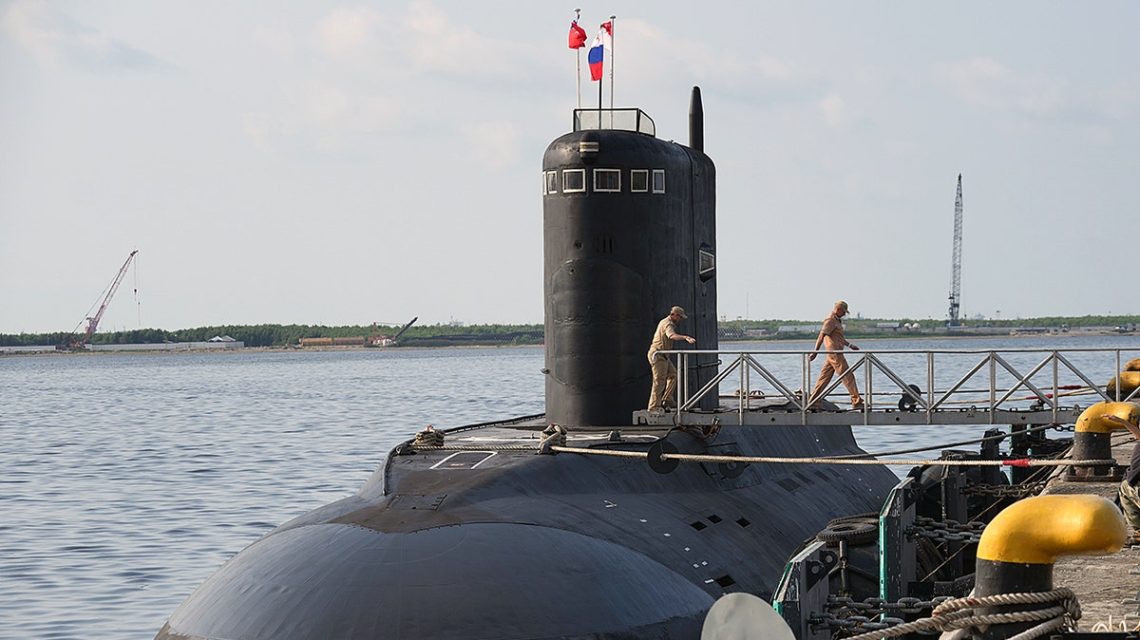
Russia’s advanced nuclear-powered submarines have become a significant challenge for NATO’s northern defenses. This development comes as the alliance works to secure crucial Arctic and North Atlantic routes. A former NATO commander has emphasized the growing threat posed by Russia’s ‘new super weapons and capabilities’ in these regions.
Enhancements on the Kola Peninsula
Russia has heavily fortified the Kola Peninsula, building additional airfields and ports to bolster its military foothold. This effort aims to strengthen its position along the Northern Sea Route and in strategic areas such as the Greenland-Iceland-United Kingdom Gap, referred to as the GIUK Gap.
“Something is moving beneath the surface,” NATO’s Allied Joint Force Command Brunssum commented on September 2, highlighting a ‘serious’ Russian submarine threat.
NATO’s Response to Russian Advancements
NATO is closely monitoring Russia’s expanded and modernized submarine forces. The Kola Peninsula remains a pivotal hub for Russia’s Northern Fleet, hosting new-generation nuclear-powered submarines with extensive range and stealth capabilities.
These submarines can operate without detection under the ocean, but NATO remains vigilant. The alliance is committed to tracking and responding to these developments seriously.
Challenges of Undersea Surveillance
According to retired Gen. Philip Breedlove, former NATO Supreme Allied Commander, tracking submarines presents a unique challenge. These vessels can position themselves within striking distance of Atlantic nations, posing a significant security threat.
Breedlove noted that Russia’s Yasen-M class submarines incorporate advanced technologies, enhancing their invisibility and combat capabilities. Despite this, NATO has adapted measures to track quieter submarines effectively.
Strategic Importance of the Arctic Region
NATO has intensified efforts to fortify its presence in the north, coinciding with increased Russian military activities. The strategic value of the Arctic has risen, causing NATO to launch initiatives like Arctic Sentry to coordinate military actions across the region.
In addition, a new initiative—Forward Land Forces Finland—strengthens NATO’s northern defenses. This Swedish-led multinational force operates on NATO’s northeastern front, with Finland as the host nation.
The economic potential of the Northern Passage, now more accessible due to receding ice, presents opportunities for trade and control. Russia aims to dominate these waters, enhancing its strategic positioning.
Impact on Russian-Western Relations
Russia’s moves in the region have prompted a strong reaction from the West. Russian Foreign Minister Sergei Lavrov warned that increased Western military activities in the Arctic pose security threats and risk triggering conflict.
Despite tensions, NATO continues monitoring and adapting to the evolving strategic landscape in the Arctic and North Atlantic.
 Prince Harry and Meghan Markle’s Return: No Official Royal Duties
  Escalating Tensions: Israeli Airstrikes in Southern Lebanon
  Pope Leo XIV Unveils New Fresco at Genazzano Sanctuary
  Nepal Observes Mourning Day for Flood Victims
  Anti-migrant protests disrupt traffic at Dover and Portsmouth ports
  Judge Denies Attempt to Block Pentagon’s Firing of Journalists