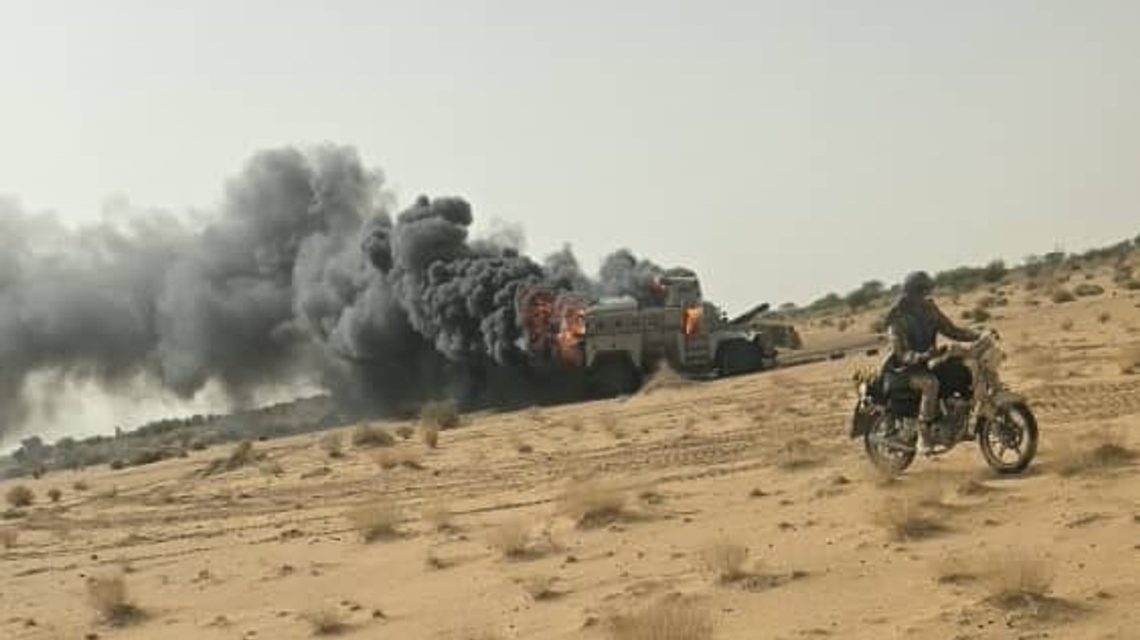
The 25th anniversary of 9/11 approaches, marking a significant moment for reflection in the United States about global terrorism. While the Middle East often captures attention, Africa’s Sahel region is emerging as a critical focal point, drawing the concern of U.S. officials.
Data from the African Center for Strategic Studies highlight the dire situation: over 59,700 fatalities linked to Islamist militant groups over the past decade. According to the Institute for Economics & Peace’s Global Terrorism Index, the Sahel region accounted for over half the world’s terrorism-related deaths last year.
Growing Threat of Terrorism
U.S. Africa Command (AFRICOM) acknowledges the growing menace, labeling Africa as the hub of global terrorism. Al-Qaeda and ISIS affiliates in the Sahel and Lake Chad Basin are deemed potentially harmful to the U.S. and its interests.
Analysts caution that militant groups are expanding their reach by exploiting local grievances and achieving battlefield victories.
Héni Nsaibia, an ACLED senior analyst, noted the worrying trend: jihadist groups gaining territory and conducting multi-front campaigns against various forces in West Africa.
Al-Qaeda Reemerges
Jama’at Nusrat al-Islam wal-Muslimin (JNIM), affiliated with Al-Qaeda, is prominent in the Sahel, notably in Burkina Faso, Mali, and Niger. Known for its tactical sieges and economic blockades, JNIM represents a substantial threat.
Historically, Africa has been vital for Al-Qaeda, with early networks established in Sudan. Liam Karr of the Critical Threats Project calls JNIM the most significant regional threat due to its local support networks.
JNIM has formed alliances with other Islamist factions, and its influence extends beyond the Sahel. North Africa and affiliations in East Africa, like al-Shabab, underscore its expansive reach.
The Rise of ISIS
ISIS, which eclipsed Al-Qaeda in the Middle East, is carving new paths in Africa. After the collapse of its caliphate in Iraq and Syria, the Islamic State Sahel Province (ISSP) has emerged as a key player.
Though ISSP poses a nascent threat, its European connections and cross-border activities are concerning. ISIS’ African influence has led to significant attacks in Europe and alliances with groups like Boko Haram, deepening its reach.
In the Sahel, Al-Qaeda and ISIS engage in dominance battles. Western Niger is a hotspot of competition, as both factions strive to establish control.
Complex Challenges
The Sahel region, mirroring situations in Afghanistan and Syria, struggles with diverse challenges: unstable governance, poverty, ethnic divides, and porous borders. These conditions nurture the growth of extremist groups.
Historical military efforts by France and growing security assistance from Russia have faltered, signaling the complexity of the conflict.
Potential U.S. Intervention
With rumors of U.S. intervention under the Trump administration, interest lies in stabilizing the region. Partnerships aimed at counterterrorism and tapping mineral resources are potential strategies.
AFRICOM emphasizes cooperation to combat terrorism effectively. Previous joint operations have seen success, demonstrating the importance of partnerships.
U.S. involvement in Sahel security stems from a long-standing effort to address growing threats. William Assanvo, of the Institute for Security Studies, underscores the historical U.S. presence and its role in training and assisting local forces.
Despite these efforts, the resilience of extremist groups suggests the complexity of the crisis. Assanvo argues that addressing socio-economic and political failures is critical to any future intervention.
The intricate security crisis demands nuanced approaches, recognizing that military action alone has proven insufficient. Consideration of underlying vulnerabilities is crucial to any strategy involving the U.S.
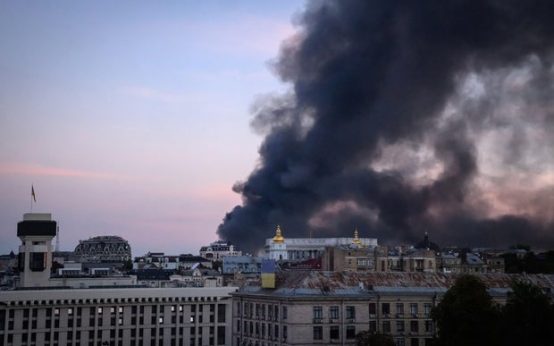 Airstrikes on Kyiv Resume After Meetings with Trump’s Envoys
 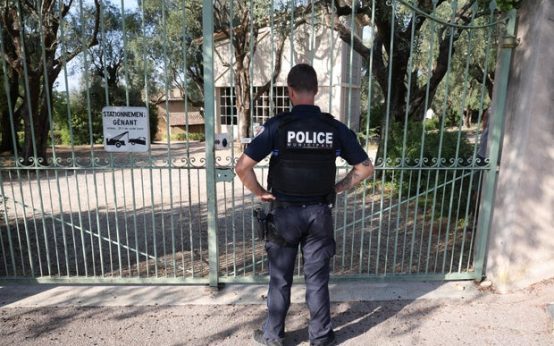 Thieves Steal Art from Renoir Museum in France
 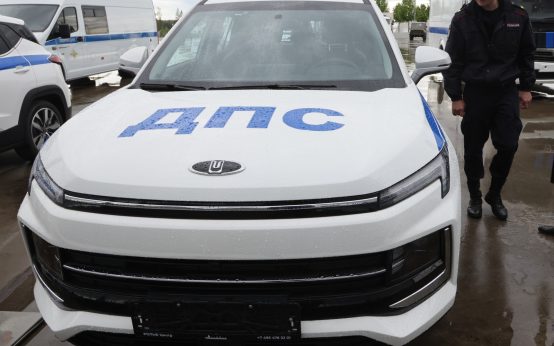 Mystery Surrounds the Death of Russian Colonel Sergei Shalaginov and Assassination Attempt on General Varpakhovich
  Canada Retaliates with Tariffs Amid Trade Disputes with the U.S.
  Russia and North Korea Open New Road Bridge Across Shared Border
  Prince Harry and Meghan’s Royal Status Clarified by King Charles III