Australia’s Strategic Investment
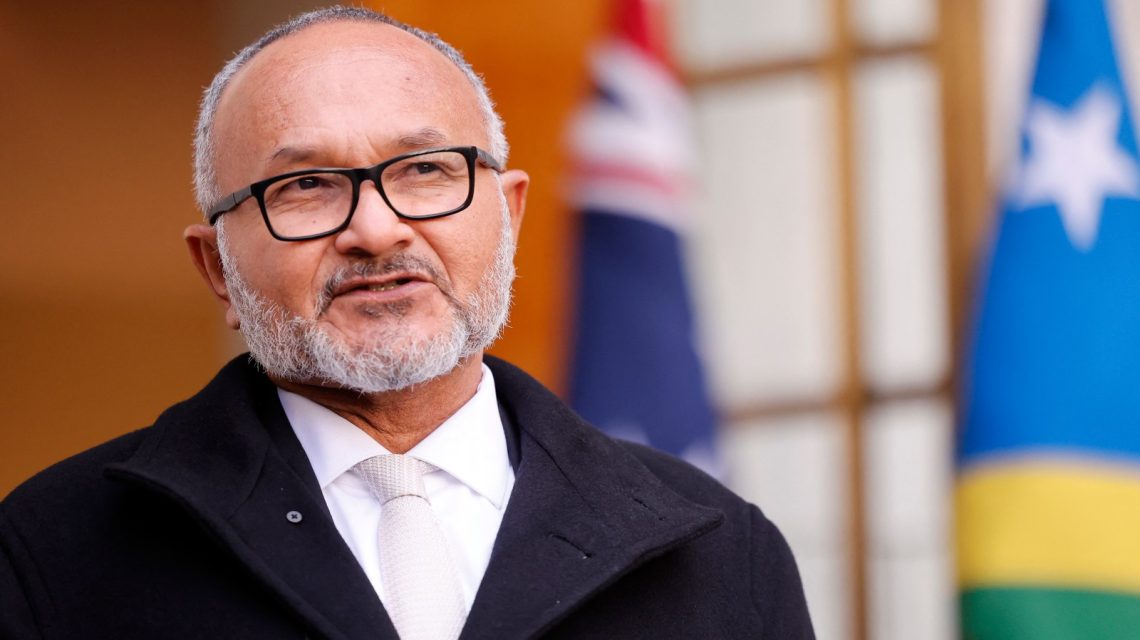
A new treaty between Australia and the Solomon Islands could hinder China’s growing influence in the South Pacific. This agreement involves a substantial financial commitment from Canberra, promising investment of at least 980 million Australian dollars, equating to over U.S. $700 million, into the Solomon Islands’ economy and politics.
The deal marks a shift for the Solomon Islands, moving away from China’s sphere of influence, similar to recent security agreements Australia established with Fiji and Vanuatu. These changes come as China had invested over $1 billion in aid to these countries over the past 20 years, indicating Beijing’s displeasure with losing another partner in the region.
Economic Diplomacy’s Role
The pivot by the Solomon Islands reaffirms the importance of economic diplomacy. Both Xi Jinping and Donald Trump recognize that financial backing often holds greater sway with smaller nations than ideological appeals.
The principle of “checkbook diplomacy” highlights the significance of direct monetary support in diplomatic relations.
Historical Context and Current Trends
Economic exchanges in international relations are not new. This was evident 40 years ago with the U.S. signing treaties with Micronesia, the Marshall Islands, and Palau, offering economic aid for exclusive military access. Such agreements now face challenges as political priorities shift, underscoring the fragile nature of policies reliant on taxpayer funding.
In 2024, U.S. strategists found relief when Congress approved $7.1 billion funding for these associations, securing strategic gains in the South Pacific against China’s growing influence.
China’s Continued Engagement
China’s presence in the Pacific has been marked by substantial financial investments. Since 2008, China committed $7.5 billion and spent over $5 billion in development aid in the region. The aid includes grand infrastructure projects under Xi’s Belt and Road Initiative.
Australia’s commitments were seen as a counterbalance to China’s ambitions, offering fiscal support totaling $1 billion over ten years to Fiji and Vanuatu.
Global Implications and Strategic Moves
Globally, China’s diplomatic strategies have been effective due to its economic commitments. Xi realizes the significance of who actively participates in these regions.
Trump capitalized on similar principles, offering U.S. investments in Armenia and Azerbaijan to bolster peace and economic corridors, countering Russian and Iranian influence.
Changing Dynamics in the Solomon Islands
The Solomon Islands’ shift away from China is a significant turn, especially after signing prior agreements with Beijing. China’s aid to the Solomon Islands included $194 million, mostly provided after 2019.
Recent changes influenced by Solomon Islands Prime Minister Matthew Wale, a skeptic of China’s reliability, demonstrate a growing preference to pivot away from Beijing’s influence.
Despite current trends, China remains a significant player in Pacific infrastructure projects, indicating lasting involvement even amidst economic challenges.
 Trump Administration Seeks Supreme Court Intervention in Voter Data Lawsuit
  Controversial Map Post by Trump Prompts Iceland’s Diplomatic Reaction
  New York Voters Approve Mayor Mamdani’s Performance
  Democrats Aim for Significant Wins in Ohio Elections
  Democrats’ Prospects in Midterm Elections Improve
  Canada’s Retaliatory Tariffs Impact U.S. Trade