Canada implemented retaliatory tariffs on Tuesday, affecting billions of dollars’ worth of U.S. goods and exports from multiple states. This marks a new phase in the trade conflict between the two long-time allies. Negotiations between the U.S. and Canada broke down in late August following President Donald Trump’s decision to impose 50% tariffs on $20 billion of Canadian goods entering the U.S., along with existing 25% tariffs on Canadian cars, trucks, metals, and lumber.
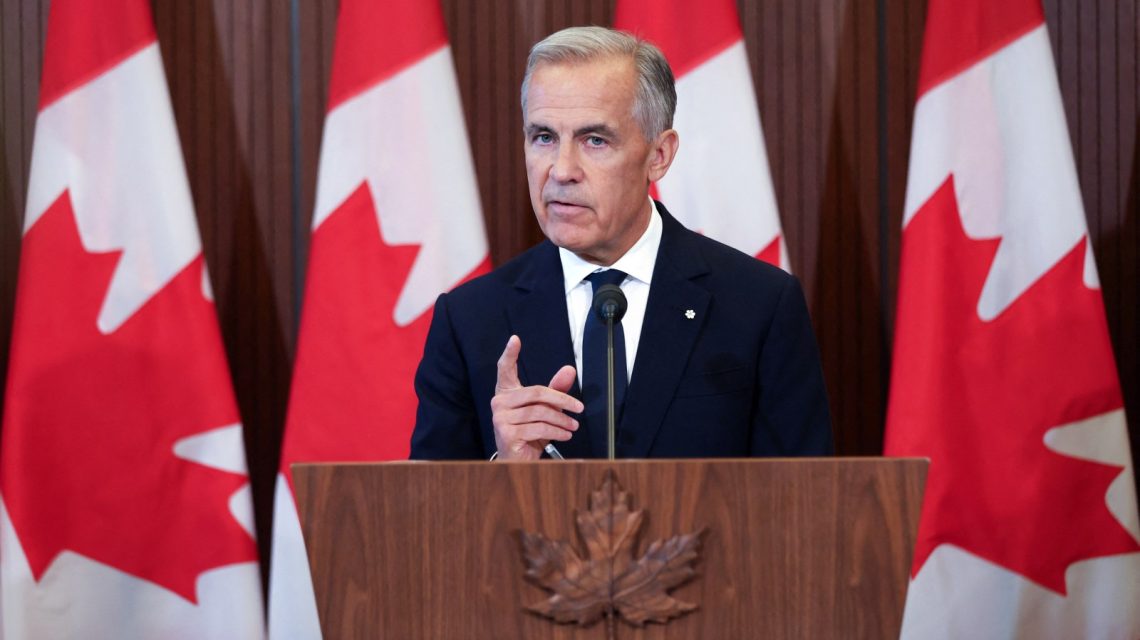
Prime Minister Mark Carney responded with a ‘dollar for dollar’ pledge, leading his government to enact tariffs ranging from 15% to 50% on approximately $27.6 billion of U.S. imports. The affected goods include hundreds of categories, such as dairy, agricultural equipment, and electronics.
Impact on States
The Canadian Chamber of Commerce highlights the importance of trade between the U.S. and Canada, with a two-way trade volume of $1.3 trillion and cross-border investments totaling $2 trillion fostering prosperity and security for both countries. The Chamber notes that Canada was the top export destination for 26 U.S. states in 2025. States like Illinois and Texas have significant trade relationships due to their close ties with Canadian markets.
Illinois reported a combined exports and imports total of $75.9 billion in 2025, while Texas, despite not having a common border, traded $69 billion worth of goods due to integrated energy sectors and manufacturing supply chains.
Canada’s Role in the Trade War
Lawmakers in the U.S. express concern about the escalating trade war with Canada. Republican Susan Collins, facing a reelection contest for her Maine Senate seat, criticized Trump’s tariffs as a ‘mistake.’ Newsweek’s analysis suggests that Canadian consumers may bear the brunt of the economic impact in case of a continued trade dispute. However, political factors may influence how each country navigates this period.
A poll from the Angus Reid Institute shows that 76% of Canadians supported ending trade negotiations with the U.S., while 62% backed Carney’s counter-tariffs. On the other hand, Trump faces less domestic support, and Canadian leaders hope upcoming midterm elections might lead to a beneficial agreement.
Midterm Campaigns and Economic Concerns
The tariffs might affect states in play during the midterms, with targeted products like Wisconsin cheese and Maine seafood. Pollster Whit Ayres told Newsweek that trade tension with Canada could influence voter decisions in border states like Michigan and Maine.
Outside these regions, states like Texas and California may still feel the impact due to their economic collaboration with Canada. Nonetheless, other concerns like inflation and economic growth are likely to overshadow trade issues in most areas.
According to a Reuters/Ipsos poll conducted in late August, 46% of Americans attribute blame to their country for the trade dispute, with 57% opposing further tariffs on Canada. Furthermore, a significant 40% feel that the tariff exchange will negatively affect their finances.
President Trump continues to pressure Canada, threatening to block Bombardier from selling aircraft in the U.S. unless manufacturing facilities are relocated. Republican Senator Jerry Moran of Kansas, where Bombardier’s U.S. headquarters is located, contacted Trump to caution against this move. The IAM union also expressed strong opposition to limiting Bombardier’s U.S. sales, highlighting the importance of aerospace jobs supported by the company.
 Finland Strengthens Border Security with Russia
  Taliban’s Justice System and Public Flogging: A Deep Analysis
  UK Trade Ban on Israeli Settlements
  Britain to Ban Import of Goods from Israeli Settlements
  Midair Collision Between Russian Fighter Jets
  Australia, Solomon Islands Treaty Poses Challenge to China’s Influence