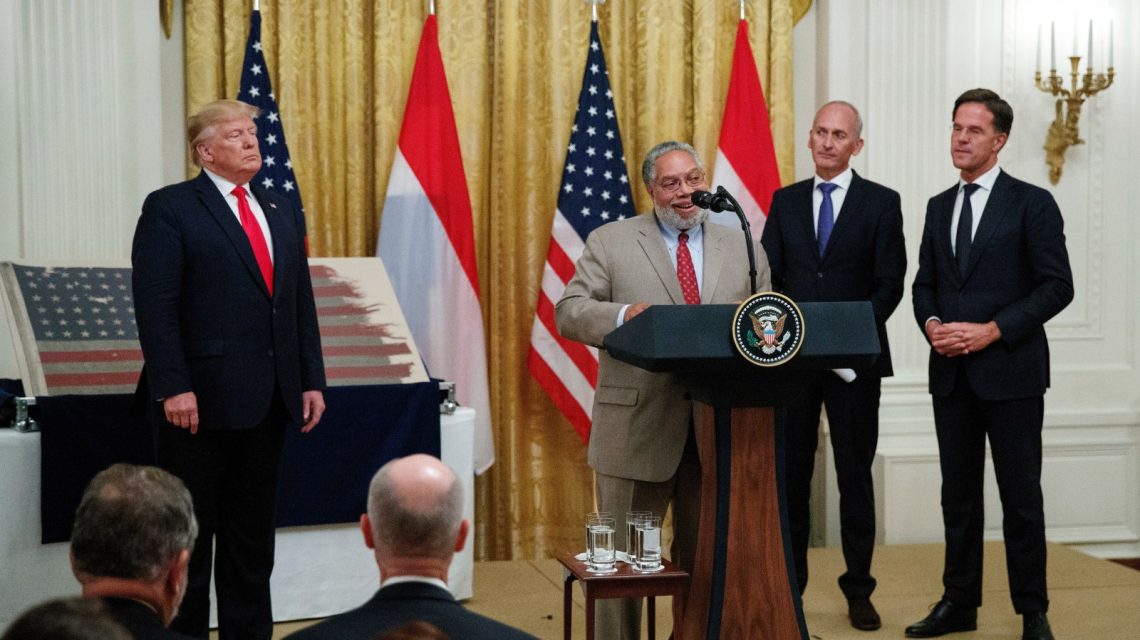
Lonnie G. Bunch III, the first Black secretary of the Smithsonian Institution, announced his retirement effective at the end of 2026. His departure follows a challenging year of increased scrutiny under President Donald Trump’s administration, which criticized some museum leadership for allegedly biased historical interpretations.
Bunch, who served as secretary since 2019, expressed mixed emotions and gratitude for his tenure. Senator Catherine Cortez Masto, a Democratic member of the Smithsonian Board of Regents, praised Bunch’s lifelong dedication to accurately depicting American history.
Throughout his career, Bunch has been a prominent museum executive. Known for founding the National Museum of African American History and Culture, his 2019 appointment as secretary marked a significant moment as the first African American to lead the Smithsonian.
Bunch began his journey in Newark, New Jersey, and pursued higher education in American history at Howard University and American University. Before leading the Smithsonian, he held positions in various museums across the United States.
Bunch’s Decision to Retire
The Smithsonian has not specified reasons for Bunch’s decision beyond his retirement plans. His announcement coincides with pressure from Trump’s administration, including a critical White House report in July that accused Smithsonian officials of ideological bias.
The administration further insisted on labeling some National Museum of American History exhibits as potentially inaccurate, leading to criticism from museum leadership. Anthea Hartig, director of the museum, countered the White House’s assessment during congressional testimony.
Influence of Trump’s Administration
Trump’s administration sought to challenge federal institutions’ portrayals of history leading up to the nation’s 250th anniversary in 2026. A March 2025 executive order called for aligning historical content with American ideals, targeting Smithsonian programs and other cultural sites.
The order led to a review of exhibitions and educational materials, focusing on several Smithsonian museums. The initiative also affected National Park Service sites, prompting changes in exhibits regarding slavery, climate change, and Indigenous history, until a federal judge ordered the restoration of removed content.
Future Direction of the Smithsonian
Despite administrative pressure, the Smithsonian remains independent, with governance by the Board of Regents. Chief Justice John Roberts, serving as the institution’s chancellor, praised Bunch for his dedication to storytelling.
Bunch’s retirement opens a complex search for a successor amid ongoing discussions on how American history should be communicated to the public. This transition occurs as the Smithsonian plays a pivotal role in the nation’s historical narrative.
 Far-Right Party’s Electoral Victory Sparks Complex Reactions
  Supreme Court Considers Voting Verification Database
  Philippine Defense Secretary Criticizes China Over South China Sea Stance
 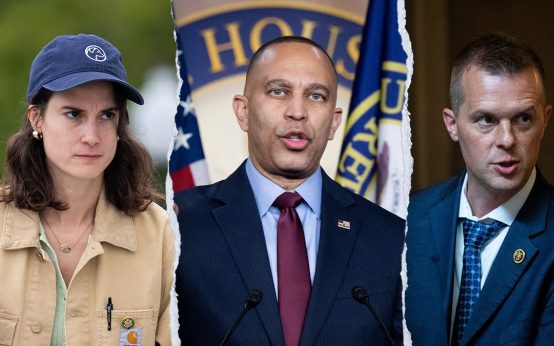 Democrats Vote with Republicans: Potential Impact and Reactions
 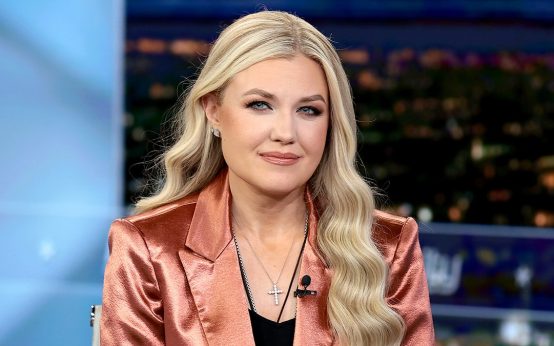 Erika Kirk on Grief a Year After Her Husband’s Assassination
  Lonnie Bunch to Retire as Secretary of the Smithsonian