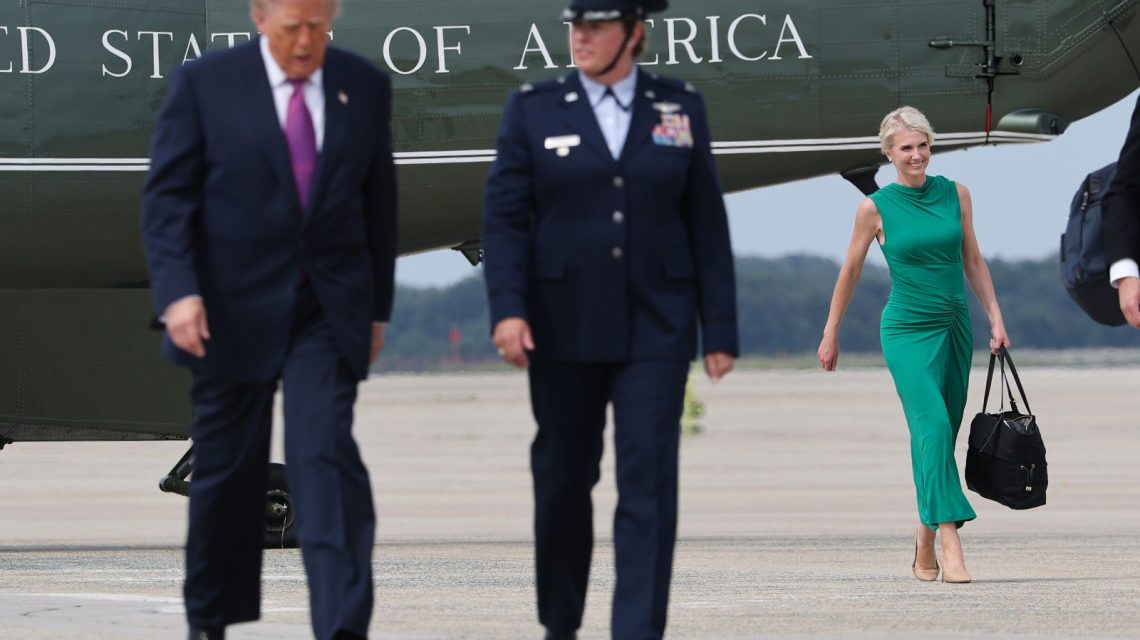
The White House has defended President Donald Trump’s decision to give $45,000 in cash to Natalie Harp, his close aide. This payment was described as a personal holiday gift and deemed ‘entirely permissible’ under federal laws and ethics rules.
Natalie Harp, serving as a special assistant and executive assistant to the president, included this payment in her annual financial disclosure. She identified Trump as the source and labeled it as a ‘cash gift for the holidays.’ Communications adviser Margo Martin and White House aide Chamberlain Harris also disclosed receiving similar $45,000 gifts from Trump, in addition to their $150,000 annual government salaries. A $20,000 gift was also given to Oval Office operations director Walt Nauta based on financial disclosures.
The White House’s statement, posted to X in response to inquiries, emphasized that Trump has long practiced giving gifts to his close associates during his tenure both in government and the private sector. These gifts were said to have no relation to the recipients’ official duties, thus complying with legal and ethical standards.
Despite the official stance, government ethics experts have expressed concern over these payments. Richard Painter, who formerly served as chief White House ethics lawyer under President George W. Bush, noted that the gift could potentially violate federal rules against external income for federal employees.
Former acting Office of Government Ethics director Don Fox, although not convinced of a clear violation, labeled the payments as ‘troublesome,’ fearing they might create a sense of obligation towards the president.
Dave Aronberg, former Palm Beach State Attorney, highlighted the gravity of the situation, underscoring that federal law usually prohibits a government employee from receiving supplementary salary from private sources. According to him, $45,000 is significantly different from typical holiday gifts such as a sweater or wine.
The central issue remains whether these gifts were purely personal holiday gestures or bonuses tied to government service. Should they be deemed additional compensation, it might breach federal salary-supplementation laws, leading to potential ethics investigations and legal ramifications.
The spotlight on Natalie Harp has intensified with ongoing scrutiny regarding her close association with Trump, raising questions about her access to the president.
Further updates to this developing story will be provided as more information becomes available.
 Empowering Workers Through Union Formation
 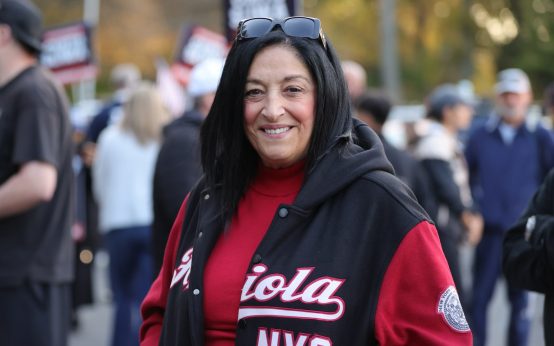 Controversy Over Mayor’s Participation in 9/11 Memorial Event
  South Park’s Satirical Name Change to ‘South America’
 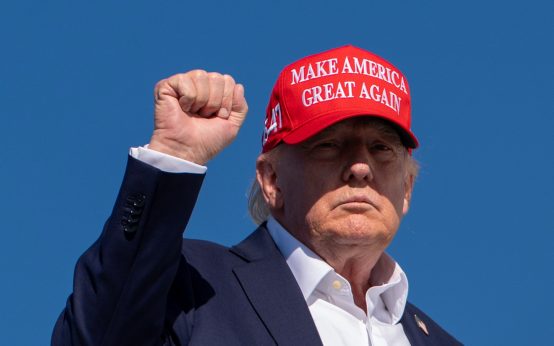 Trump’s Executive Order on Veterans’ Access to Benefits
 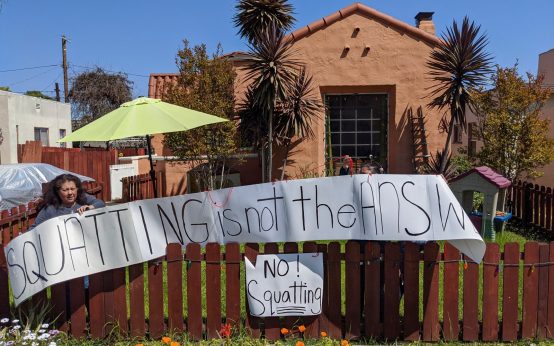 Maryland Lawmaker Proposes Registry for Repeat Squatters
  Veterans Continue to Oppose Trump’s Proposed Triumphal Arch Near Arlington Cemetery