
Modern American life is increasingly defined by extreme isolation and digital dependency. The shift from human connection to technological convenience has significant effects on relationships and communities.
In the past, American neighborhoods were characterized by spontaneous social interactions. Residents would drop by unannounced, enjoying barbecues amidst lawn chairs and lively conversations. These elements symbolized a warm, welcoming environment.
Today, the atmosphere in many neighborhoods is starkly different. The once-vibrant streets now resemble silent, well-maintained cemeteries. The front porch, previously a symbol of hospitality, serves primarily as a delivery point for packages from online retailers.
The traditional American Dream is transforming. It’s now seen as a secluded space where interactions occur through digital devices and services. The outside world finds its way in through deliveries and online connections rather than face-to-face meetings and community gatherings.
 Cyberattacks Hit European Grocery Stores, Highlighting Risks of Smart Devices
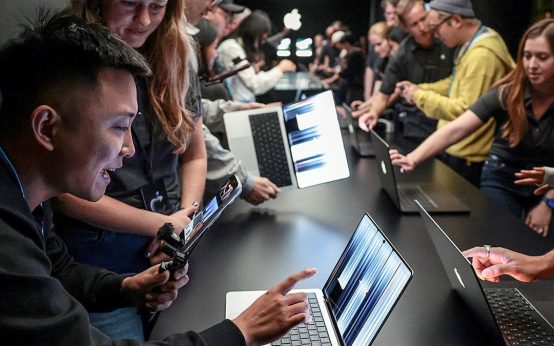 Apple Unveils New MacBook Pro with Touchscreen Feature
 Convenient Handheld Vacuum Available for $36 at Amazon
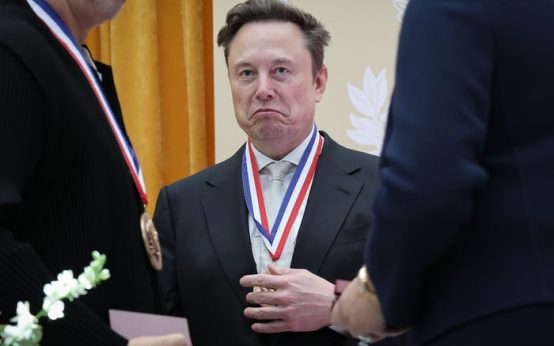 Elon Musk’s Political Gamble in Texas Backfires
 AI Firms and Election Day Vigilance
 OpenAI’s Hiring of Former Army Secretary Highlights Focus on Defense Projects