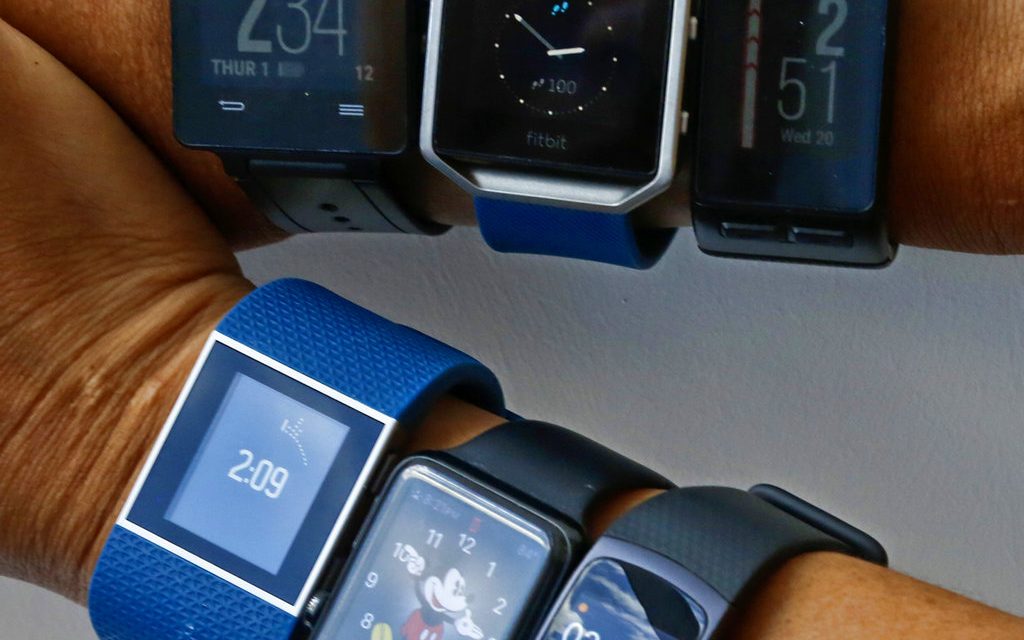
The Pentagon has issued a new order banning the use of fitness trackers and cell phone apps by military personnel in sensitive areas and war zones. These devices can disclose users’ locations and pose a risk to security. Despite this ban, the memo allows these devices with restricted use but emphasizes the significant threat posed by GPS technologies.
In the Middle East, a concerning scenario unfolded: an American soldier ended his shift, called his family, unaware that adversaries had tracked the movement of soldiers on the base through smartphone data. Such real-time tracking, facilitated by data purchases from digital marketing firms, led to missile strikes on U.S. installations. These events were verified by U.S. Central Command after Iranian strikes disrupted bases around the Gulf, forcing troops into vulnerable accommodations.
A bipartisan group of lawmakers, led by Sen. Ron Wyden, urged the Defense Department to address this threat. Despite warnings dating back a decade, efforts to mitigate these risks have been inadequate. An intelligence contractor once revealed the training routines of a secretive military unit using commercially acquired data, highlighting longstanding vulnerabilities.
In 2018, a fitness app inadvertently exposed overseas base layouts, and by 2024, journalists used ad data to track troops and their movements in Germany. Military efforts focus on privacy settings, misjudging the threat which stems from sophisticated app data profiling, not GPS settings alone.
China’s strict data protection requirements contrast with the U.S.’s exposure of military personnel’s location data to outside agencies. This imbalance enables adversaries to better understand U.S. digital footprints than domestic forces themselves.
To address these issues, technological solutions must reduce device emissions and enhance commanders’ oversight of data released to the market. With upcoming amendments to the National Defense Authorization Act, Congress is positioned to push for these standards. Prompt action is necessary to avoid exposing troops to potential future dangers.
Erik Prince, a former Navy SEAL and defense industry entrepreneur, underscores the urgency of resolving these security concerns through legislative measures.
 Kamala Harris and Abdul El-Sayed Campaign Together in Detroit
  Challenges Facing the Supreme Court’s Public Perception
  California Democratic Aide Arrested for Visa Overstay by Federal Authorities
 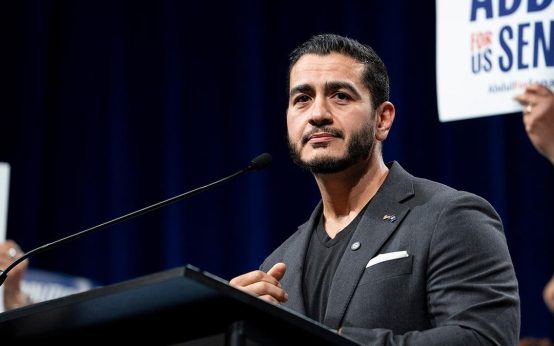 Michigan Senate Nominee Abdul El-Sayed Criticized for Remarks on Reproductive Rights
  AFL Investigates Fairfax County Schools’ 9/11 Teaching Guidance
 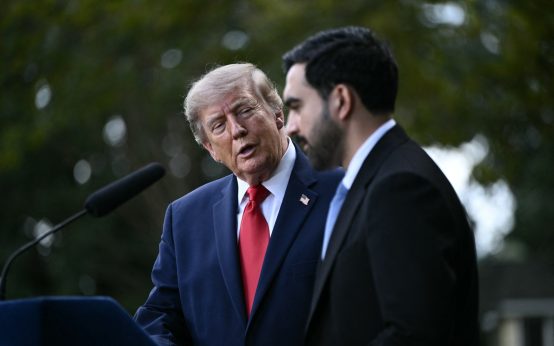 Poll Reveals Voter Preferences Between Socialist Democrats and MAGA Republicans