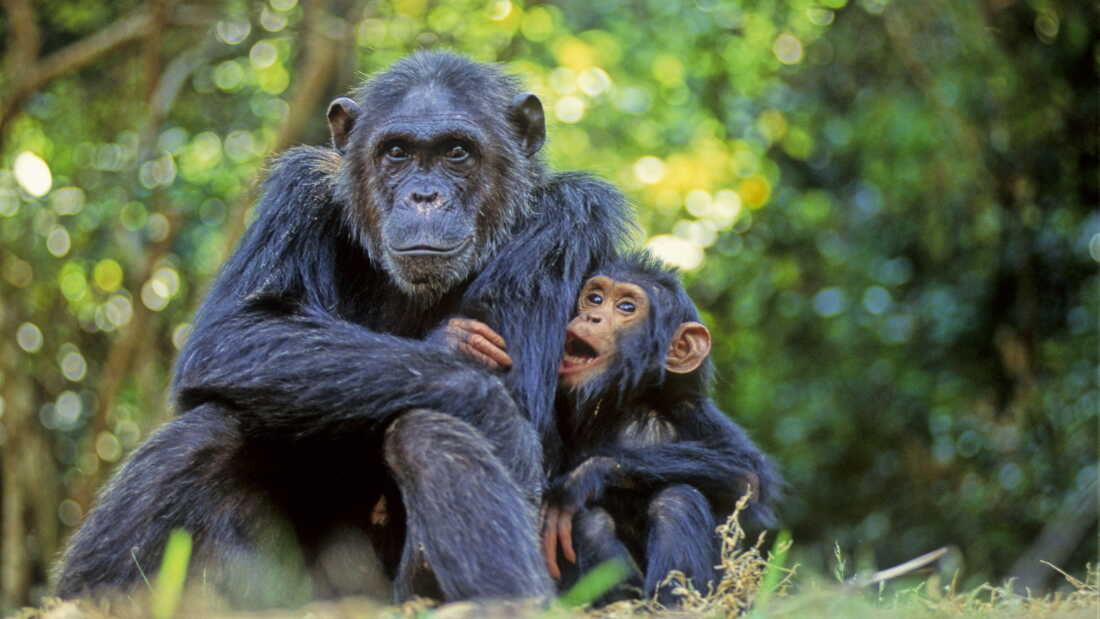
In Gombe Stream National Park, Tanzania, a mother chimpanzee and her child are observed. Chimps hold significance as they were among the first animals Western scientists identified as self-medicating during the 1980s.
Humans often turn to medications and therapies when ill. This behavior was once thought to be unique to humans. Recent research shows that many animals engage in similar practices. Since the late 1980s, Western researchers have sought to understand these behaviors.
The study of self-medication in animals does more than just provide interesting examples. Researchers believe it holds potential for enhancing our own medical knowledge. By examining how animals address health issues, scientists aim to find new solutions for human ailments.
Freelance science journalist Mandy Nguyen delves into these topics. Her work explores how animal behaviors could impact our understanding of medicine.
For those interested in more stories about animal behaviors, suggestions and questions can be emailed to [email protected]. Contributions might inspire future episodes of exploration.
Public media enthusiasts can support NPR through NPR+ to access benefits such as sponsor-free podcast listening. Further details are available at plus.npr.org. Additionally, listeners can enjoy episodes of ‘Short Wave’ on platforms like Spotify and Apple Podcasts.
This episode’s production involved Hannah Chinn, with editing by Hannah and Rebecca Ramirez. Tyler Jones conducted fact-checking and Jimmy Keeley served as the audio engineer.
 Daring U.S. Rescue Mission in Iran
  Inside the Daring Rescue of American Airman in Iran
  Trump Discusses Chinese Surveillance and Iran’s Missile Strike
  Search for Missing Passengers After Java Sea Ferry Disaster
  U.S. Claims Victory Over Iran Amid Concerns
  U.S. and China Clash Over AI Governance