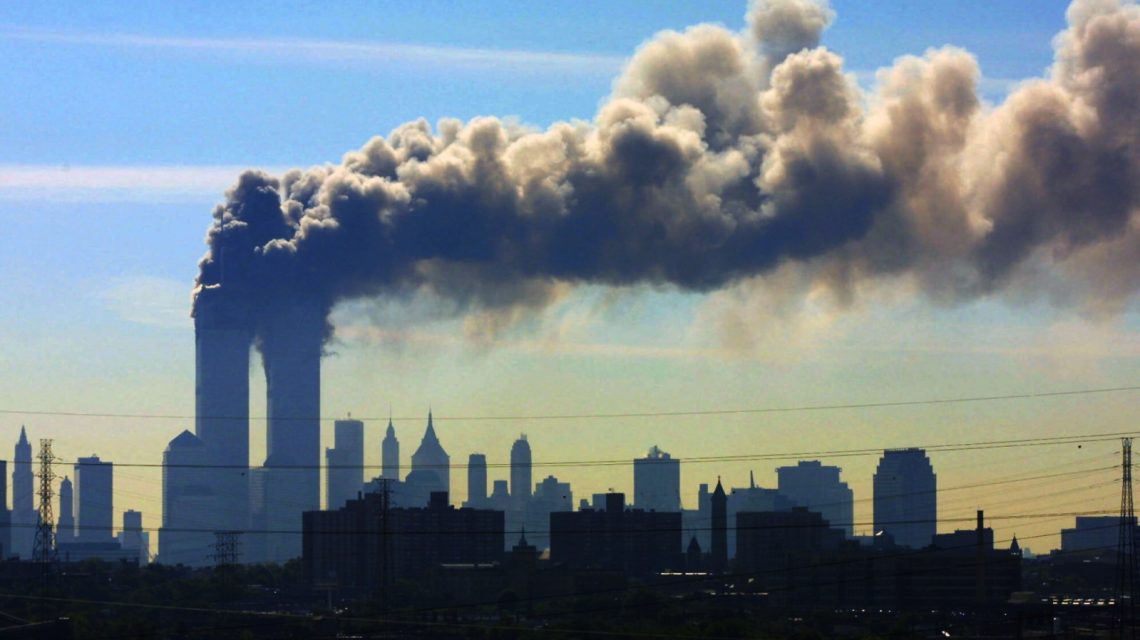
Following the terrorist attacks on September 11, 2001, a multitude of individuals exposed to environmental toxins continue to experience long-term health issues. Researchers attribute these conditions to the harmful dust cloud that engulfed lower Manhattan.
Health Consequences of 9/11
The dust cloud released by the collapse contained harmful environmental toxins, leading to various health problems among those exposed. According to the CDC, affected individuals have developed cancer, respiratory diseases, gastroesophageal reflux disease, and mental health disorders.
Alejandro Azofeifa, a health scientist at the World Trade Center Health Program, emphasized that thousands of individuals were exposed to hazardous materials after the attacks. These included not just the outdoor dust cloud and debris but also indoor dust and fumes from fires.
Ongoing Impact and Monitoring
The research, published in JAMA, highlights the importance of ongoing medical monitoring and research to address evolving health needs. More than 9,400 individuals have died from 9/11-related illnesses, and recently published data from the World Trade Center Health Program indicates about 57,000 cancer diagnoses linked to 9/11 exposure.
Study Insights
A CDC study found over 155,000 responders and survivors enrolled in the World Trade Center Health Program, highlighting the high prevalence of chronic conditions and poorer health-related life quality among the affected population. The program has grown by a median of over 6,500 members annually since 2012.
Exposure to hazardous materials is linked to various health conditions like acute injuries, digestive and airway disorders, cancers, mental health conditions, and musculoskeletal disorders.
Composition of Toxic Dust
The dust cloud was made of asbestos, lead, pulverized cement, glass fibers, and benzene among other toxins, which posed significant health risks. The breakdown and combustion of materials led to air pollution with particulate matter and volatile organic compounds.
Asbestos exposure causes mesothelioma and various cancers, while lead exposure impacts multiple body systems, contributing to millions of deaths globally due to cardiovascular effects.
Effects of Alkaline Dust
Dr. Jacqueline Moline explained the alkaline nature of the dust allowed it to penetrate deeply into tissues, leading to immediate reactions such as sinus problems and lung irritation. Long-term exposure resulted in conditions like asthma and lung scarring.
Recommendations for Disaster Response
The CDC team suggested that disaster response efforts should focus on integrating long-term surveillance and care systems to support affected populations. They emphasized the need for personal protective equipment to minimize exposure to toxic materials.
The importance of medical surveillance post large-scale incidents was reaffirmed, as it helps understand outcomes and improve response strategies.
Launch of Ground Zero Air Quality Database
New York City launched an online portal with records related to air quality and health impacts post-9/11. The initiative aims to improve transparency and provide the public with access to vital records. Mayor Zohran Mamdani stated the portal reflects the city’s commitment to those affected by the attacks.
Comedian Jon Stewart and other officials emphasized the need for transparency, recalling previous warnings about potential health risks from toxins at Ground Zero.
Contents of the Database
The database includes air quality reports, contamination records, and internal city documents. Noteworthy is the Harding Memo discussing potential city liability for toxic exposure claims.
 Impact of ‘Food Divorce’ on Relationships
  The Link Between Type 2 Diabetes and Mental Health Conditions in Women
  Debate on BMI and Race in Medical Guidelines
  ChatGPT’s Trusted Contact Feature Aims to Support Users in Distress
  Research on Microclots and Long COVID
  Minnesota Woman’s Battle with Ovarian Cancer: A Journey of Survival and Advocacy