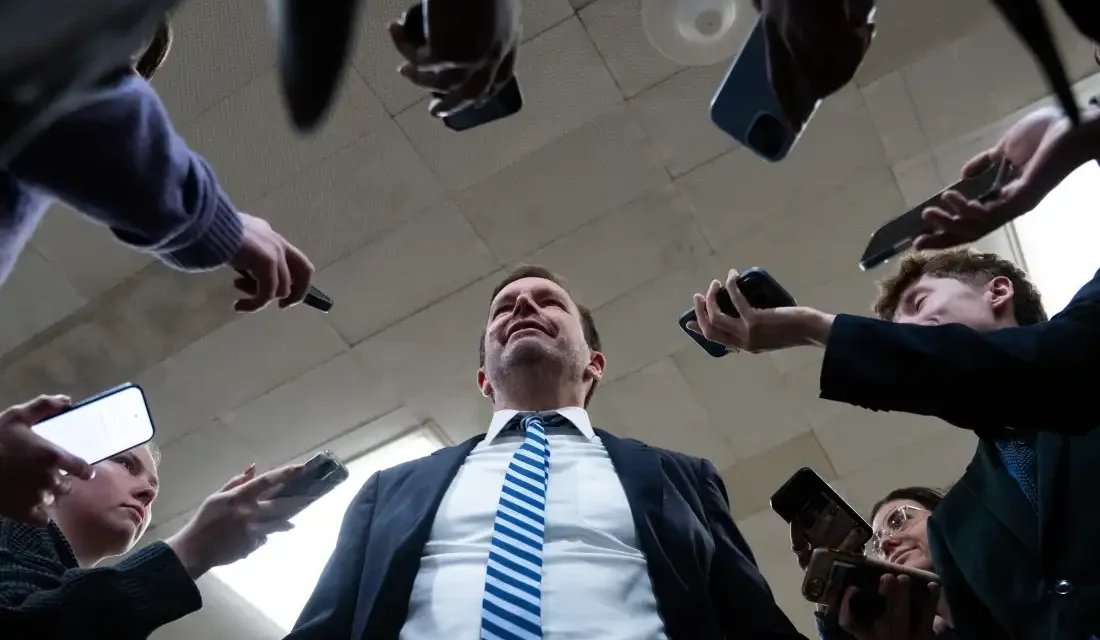
Senator Chris Murphy from Connecticut experienced a stroke on Saturday but is expected to recover well, as reported by his office. This incident underscores the need to be aware of stroke symptoms, which can be crucial for preventing lasting brain damage.
The American Stroke Association recommends using the acronym BE FAST to identify signs of a stroke. Swift recognition and action can significantly improve the chances of survival and recovery.
Details of the BE FAST acronym are as follows:
- B – Balance Loss: Look for dizziness, difficulty walking, or a sudden loss of balance, which can indicate a stroke.
- E – Eye Changes: Check for vision problems like blurred or double vision, or loss of sight in one eye.
- F – Face Drooping: Ask the person to smile. If the smile is uneven, or if there is numbness or drooping on one side, this is a symptom of stroke.
- A – Arm Weakness: As in Murphy’s case, numbness or weakness in one arm is a sign. Have the person raise both arms to see if one drifts downward.
- S – Speech Difficulty: Speech that is slurred or hard to understand is a warning sign. Ask the individual to repeat a simple sentence.
- T – Time to Call 911: Immediate medical attention is crucial. If you notice these symptoms in yourself or someone else, call 911 promptly.
A stroke occurs due to an interruption of blood flow to or within the brain, often from a blocked artery or a burst blood vessel. Without oxygen, brain tissue can suffer permanent damage, resulting in long-term consequences or death.
Additional warning signs include severe headache, confusion, and numbness on one side of the body.
Stroke is the fourth leading cause of death in the United States. In 2023, over 162,000 stroke-related deaths were recorded. Being informed helps in swiftly responding to these critical situations.
 Exploring the Health Benefits of Walking
 ACA Open Enrollment for 2027: Key Changes and Implications
 Potential Impacts of the Democratic Socialists’ Healthcare Proposals
 Maintaining Independence in Aging: Key Strategies for Older Adults
 Could AI Someday Replace Doctors? Examining the Impact on Healthcare
 Breaking New Ground in Treating Sanfilippo Syndrome