A Republican senator recently voiced opposition within his party against President Donald Trump’s proposal to send $5,000 checks to American adults. Senator Bill Cassidy of Louisiana labeled the plan as “absolutely inflationary” during a CBS News’ Face the Nation appearance. His remarks add to the scrutiny surrounding one of Trump’s major campaign promises ahead of the upcoming midterm elections.
Proposal and Reactions
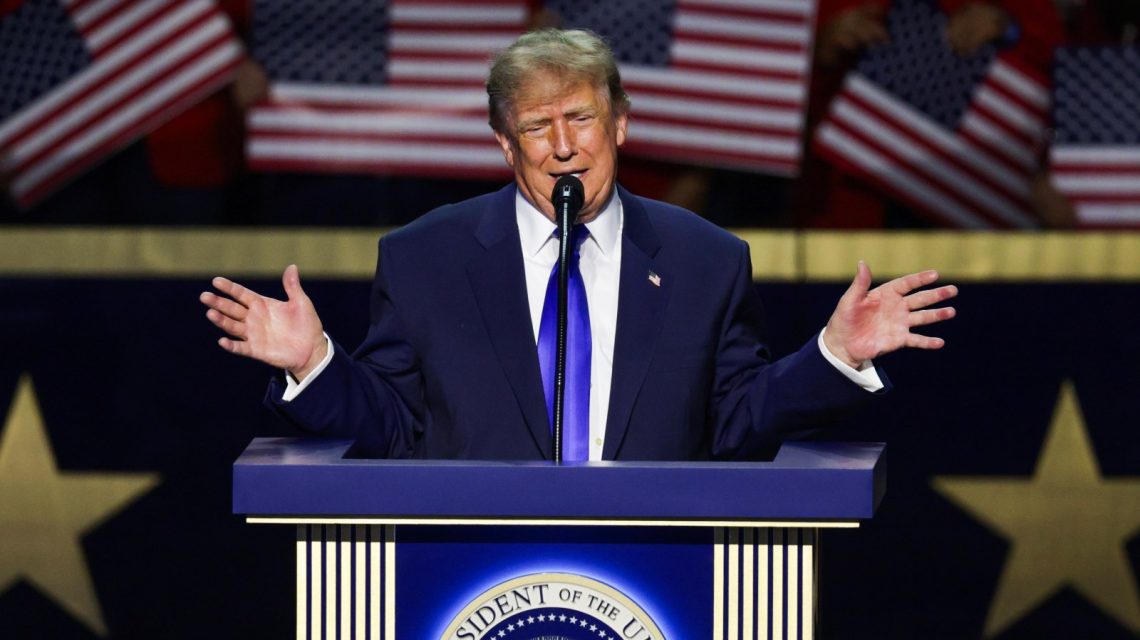
Trump revealed the plan during the Republican National Committee’s convention, promising each adult U.S. citizen a $5,000 “dividend” if Republicans maintained control of Congress. Trump compared this to a successful company distributing cash to shareholders. However, questions arose regarding funding and congressional approval. While Democrats criticized the proposal, Cassidy’s comments drew attention due to his Republican affiliation, echoing concerns from fiscal conservatives about government spending, inflation, and national debt.
Concerns Highlighted
“It’s absolutely inflationary,” Cassidy replied on CBS when asked about the proposal’s potential effects on the economy.
He expressed that conservatives would likely have opposed such a measure if proposed by a Democratic administration. Cassidy, who voted to convict Trump after the Capitol riot, has faced opposition from Trump, resulting in his loss of reelection. Cassidy articulated concerns that borrowing money for the program could increase consumer costs by raising borrowing rates.
Higher rates would make major purchases less affordable for families already facing financial difficulties, impacting buying a home, refinancing, or purchasing a car.
Alternative Solutions
Cassidy advocated focusing on reducing national debt rather than direct payments to stimulate the economy for longer-term benefits.
“We need to actually pay attention to our national debt,” Cassidy stated, suggesting debt control as a financial stimulus for families.
Republican Responses
Responses from within the party have varied. House Speaker Mike Johnson, on NBC’s Meet the Press, refrained from guaranteeing the payments despite Trump’s assurance. Johnson hinted at ongoing discussions but stopped short of endorsing the proposal, acknowledging congressional approval would be necessary.
Funding Debate
How Trump’s checks would be financed remains unclear. Various officials offered explanations, with Vice President JD Vance suggesting tariff revenues and Commerce Secretary Howard Lutnick denying taxpayer funds or deficit increase. The proposal might move through future congressional budgeting as stated by National Economic Council Director Kevin Hassett.
White House spokesperson Davis Ingle defended the proposal against skepticism, citing previous achievements of Trump’s administration as contrary examples to doubts.
Trump continues to defend the plan, arguing for financial feasibility given the country’s substantial revenue if Republicans secure Congress.
Criticism Across Party Lines
Cassidy is not alone among conservatives with doubts. Representative Thomas Massie spoke of inflation risks, and former Representative Marjorie Taylor Greene questioned the plan’s implications as a government giveaway. Senator Susan Collins and Representative Ralph Norman also voiced concerns over election-tied spending proposals.
Democrats strongly criticized the proposal, with Senate Minority Leader Chuck Schumer accusing Trump of attempting to “bribe” voters and California Governor Gavin Newsom calling it a vote-buying effort.
Cassidy’s remarks stand as a direct challenge to the economic underpinning of Trump’s proposal, illustrating a growing divide within the party as Election Day approaches.
 Trump and NYC Mayor Mamdani: Political Divides and Collaborative Efforts
  Rep. Jared Golden Endorses Mike Lawler for Reelection
  Seattle Protects Nonmonogamous Relationships from Discrimination
  Democratic Lawmakers Criticize Trump’s $5,000 Payout Promise
  Judge Assigned to White House Press Access Case
  Hasan Piker Faces Backlash Over Controversial Comments