Cybercrime losses have reached alarming levels, with nearly $21 billion reported last year. Kurt Knutsson warns about the growing sophistication of AI-based scams, highlighting $8.65 billion lost to investment fraud alone. He offers a free live class aimed at helping families safeguard their finances and secure accounts.
Common Online Banking Habits and Their Risks
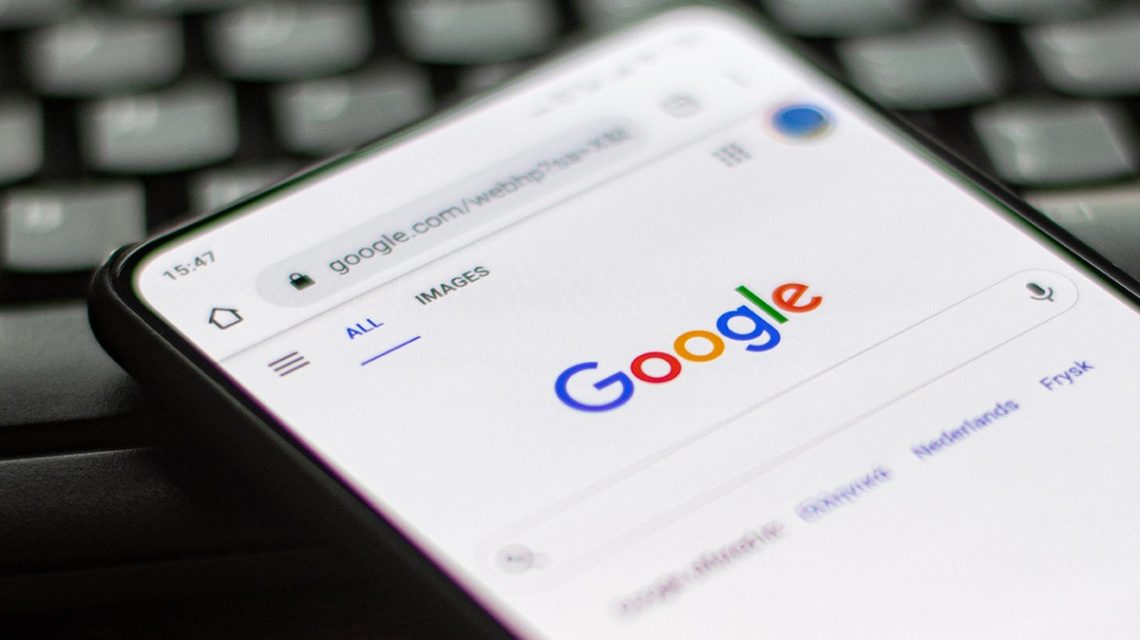
Many of us open Google, type our bank’s name, and click the first result. This everyday habit has been exploited by criminals to steal bank logins and drain accounts. The Justice Department has announced the extradition of a Russian web developer accused of aiding a large bank account takeover operation. Prosecutors say sponsored search engine links were used to direct banking customers to fake login pages, where they unknowingly entered their credentials. This scam should concern anyone who banks online.
How the Scam Works
The operation involved spoofed domains copying the websites of federally insured financial institutions. The conspirators bought sponsored search engine links. These could appear during a search for a bank, sending customers to fraudulent login pages. Once credentials were entered, attackers accessed real bank accounts, checked balances, and initiated unauthorized wire transfers. More than 5,000 stolen login credentials were collected, causing millions in losses.
The Role of Search Engines
The DOJ described the bank account takeover operation as involving fraudulent ads delivered through search engines like Google and Bing. Victims who clicked were redirected to phishing sites controlled by criminals. By December 2025, 19 victims were identified with losses totaling approximately $28 million.
Microsoft has policies to prevent misleading ads and encourages reporting suspicious ads. Google has not commented.
Why Sponsored Results Can Deceive
Paid search results appear prominently, easily deceiving users. Criminals buy ads imitating legitimate businesses. The FBI warns of SEO poisoning, recommending using bookmarks or favorites rather than search results for banking.
Scams and Financial Losses
Since January 2025, the FBI has received over 5,100 complaints about account takeover fraud, with losses exceeding $262 million. Methods include fake banking websites and attempted multifactor authentication breaches.
Extradition of the Accused Developer
Sergei Anatolyevich Filimonov, a Russian web developer, has been extradited following charges related to the scam.
Tips to Protect Against Fake Bank Login Ads
- Use your bank’s verified app. Remove the search-result step to avoid traps.
- Bookmark your bank’s official website. Saves time and prevents phishing.
- Check web addresses before entering credentials. Look for misspellings or small changes.
- Do not assume a sponsored result is verified. Verify the destination yourself.
- Enable multifactor authentication. Helps protect but may not be foolproof.
- Use a password manager. Highlights discrepancies in saved credentials and addresses.
- Install strong antivirus software. Offers immediate protection against known threats.
- Turn on account alerts. Monitor for unexpected activity.
- Consider identity theft protection. Alerts to suspicious activity.
- Act quickly if exposed. Contact your bank immediately and change passwords.
Conclusion and Takeaways
Kurt Knutsson advises skipping search results for banking. Use verified apps or bookmarks. Always inspect the address before entering sensitive information.
 Nvidia CEO Jensen Huang Talks AI, U.S.-China Competition, and Data Centers
  Legal Battles Over Sports Betting and Addiction Claims
  Concerns About Rapid Advancements in Artificial Intelligence
  Leading AI Companies Face Antitrust Lawsuit for Alleged Coordination
  Documentary Critiques Elon Musk’s Ambitions
  ChatGPT’s Trusted Contact Feature Aims to Support Users in Distress