Introduction to Lichtman’s Framework
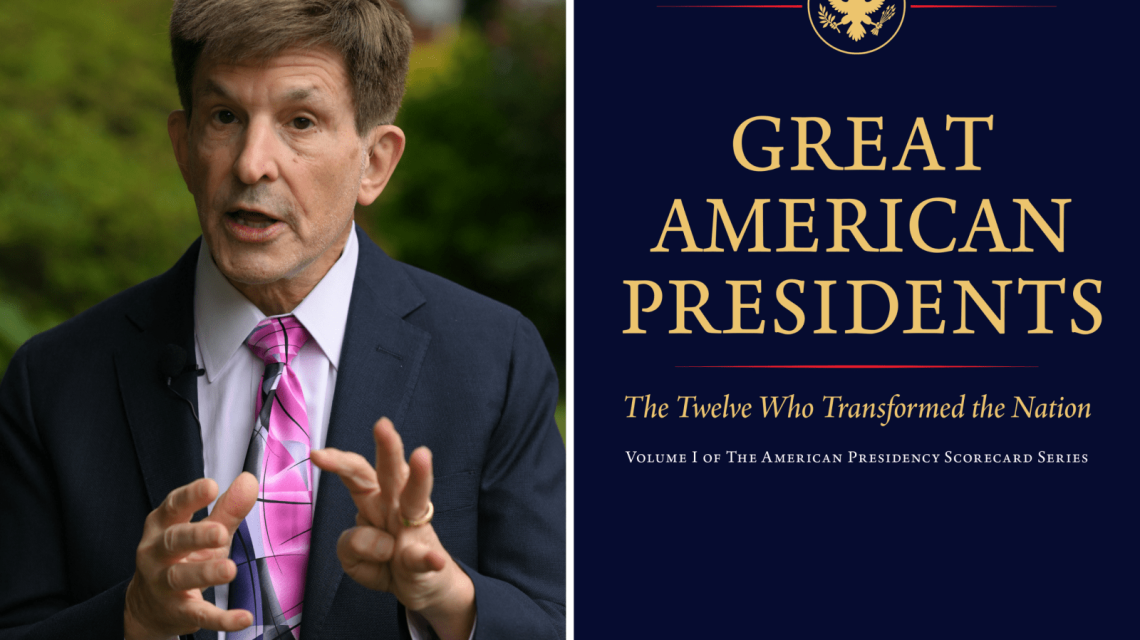
Allan Lichtman has introduced a new framework for evaluating presidential greatness. This comes ahead of his upcoming book about transformative American leaders. Known for his Keys to the White House election prediction model, Lichtman earned the nickname ‘Nostradamus’ of presidential politics. He accurately predicted many U.S. presidential election outcomes for decades. However, his reputation faced scrutiny when he wrongly predicted Kamala Harris would win the 2024 presidential election, which was actually won by Donald Trump.
Lichtman’s latest project shifts from prediction to exploring what constitutes historical greatness in a president.
Focus on Consequence
Speaking to Newsweek, Lichtman explained his model centers on consequence rather than popularity. The new 10-point framework assesses presidents on how they handled major challenges and altered the nation’s course. It excludes contemporary approval, polling, and ideological agreement. Lichtman noted that James K. Polk is included over Dwight Eisenhower, despite Eisenhower’s higher expert survey ratings, because Polk expanded the nation’s size significantly.
The 10 Keys
Lichtman’s 10 keys include key areas like crisis leadership, transformational change, and moral vision. They focus on:
- Crisis Leadership
- Transformational Change
- Moral Vision
- Stewardship of Executive Power
- Coalition Building
- Institution Building
- Diplomatic Influence
- Adaptability
Handling Presidential Failures
Transformative leadership is insufficient for greatness, according to Lichtman. Candidates must operate within American democratic traditions. For instance, leaders like Richard Nixon and Donald Trump are excluded due to perceived failures in governance. Lichtman emphasizes the Stewardship Key, which evaluates whether presidents expanded executive power responsibly.
Major failures and achievements are both considered. Lyndon B. Johnson’s Vietnam War involvement, for example, is weighed against his impactful domestic reforms.
A Guide for Debate
Lichtman acknowledges different historians might weigh the keys differently and arrive at different conclusions. His framework isn’t a fixed formula. Instead, it’s a structured guide encouraging debate and focusing on historical criteria.
He describes it as a ‘do-it-yourself’ system for assessing presidential greatness, aiming to spark discussions about American history.
Lack of Modern Presidents
Lichtman’s book doesn’t consider presidents after Ronald Reagan as great. Reasons include the difficulty of assessing recent presidents and structural political changes. Post-1994 polarization and social media-created divisions complicate consensus and leadership.
Recent presidents faced more complex challenges, acting more as capable managers than transformational figures. Figures like George W. Bush, Bill Clinton, and Barack Obama had successes but didn’t fundamentally alter national division forces.
Lessons from 2024
Lichtman’s new framework differs from his election forecasting model, which focuses on prediction. The greatness model is retrospective and evaluative. The 2024 election raised questions about whether voter behavior assumptions in his forecasting model remain valid amid polarization and misinformation.
He suggests these conditions impact the presidential greatness evaluation, emphasizing that the 10 Keys are not just a ranking tool but reflect how American leadership and evaluation standards have evolved.
Great American Presidents: The Twelve Who Transformed the Nation by Allan J. Lichtman will be released on September 22, 2026.
 Challenges Facing the Supreme Court’s Public Perception
  California Democratic Aide Arrested for Visa Overstay by Federal Authorities
  Experts Doubt Export Ban Will Lower Fuel Prices
  Trump Delivers Warning to Iran, Cuba at UN General Assembly
  Trump Delivers Stern UN Speech on Iran, AI, and Global Security
  Lukashenko and Putin’s Unique Relationship and Belarus’ Strategic Role