Paramount and Antitrust Settlement
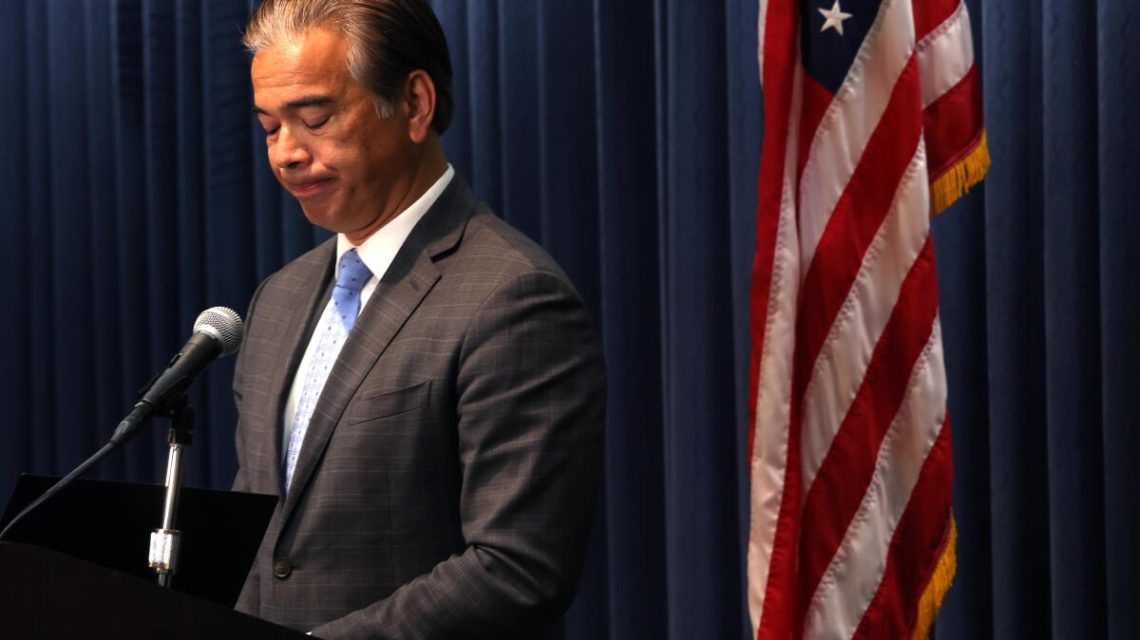
California Attorney General Rob Bonta and Paramount Skydance’s CEO David Ellison have reached an agreement to end the state’s antitrust dispute. This resolution paves the way for Ellison’s $111 billion acquisition of Warner Bros. Discovery. According to a source familiar with the deal, antitrust claims, originally raised by Bonta and 11 other state attorneys general in July, will be settled.
As part of the agreement, Paramount committed to releasing 30 films annually in theaters and allocated $1.5 billion towards film production in Hollywood over a five-year period. Failure to meet these commitments would result in a penalty for Paramount.
Bonta and Paramount did not provide comments on this development. The settlement requires approval from a federal judge before finalizing the purchase. The acquisition will combine two major studios, notably Warner Bros. Discovery and Paramount, merging popular franchises.
Merger and Potential Impacts
Once approved, Paramount will own numerous cable TV channels alongside Warner Bros.’ assets. This includes stations such as CBS, CNN, TBS, HGTV, and Comedy Central.
There were hurdles along the way to finalization. A negotiation session was canceled by Bonta in August due to leaked potential deal terms. Even as talks resumed, prominent figures like New York’s Attorney General Letitia James expressed skepticism over the merger terms.
Political Influence and Market Changes
Ellison aimed to finalize the merger before the midterm congressional elections and avoid increased payouts to Warner Bros. shareholders. California Governor Gavin Newsom, along with other political leaders, pushed Bonta to settle rather than proceed to court.
Ellison’s motivation was partly due to impending expenses. From October 1 onwards, Paramount would incur fines until the deal’s conclusion, adding significant daily costs.
Financial Structuring and Global Approvals
Paramount will utilize $80 billion in debt alongside a $47 billion equity backed by Ellison’s father, Larry Ellison. Contributions from royal families in Saudi Arabia, Qatar, and Abu Dhabi also support this financial structure. The FCC has allowed foreign investors to control almost 50% of the company while the Ellison family retains voting control.
The merger will involve substantial cost savings, forecasted at over $6 billion. However, job losses are anticipated, impacting 4,500 workers in the Los Angeles area.
Challenges and Lobbying
The agreement concludes after regulatory approvals from numerous entities, including the European Commission and US Department of Justice. Paramount faced political pressure over the summer to resolve issues with Bonta, even threatening to relocate its studio to Texas or Tennessee.
Paramount enlisted Hollywood unions and notable cinema chains to support its stance. Recently, activist Mark Ruffalo, critical of the merger, faced backlash from Paramount, accusing him of antisemitic remarks—a claim which Ruffalo denied.
Conclusion and Legal Proceedings
Bonta canceled a settlement conference after confidential information leaks and hinted at serious negotiating terms. States filed a lawsuit citing the U.S. Clayton act, targeting merger consequences on market competition and consumer costs.
Paramount must finalize the deal by June 4 to avoid further financial penalties. The overall merger strategy seeks to reshape Hollywood and expand Paramount’s global influence.
 Princess Diana’s Brother Accuses King Charles of Gaslighting
  Melanie Griffith’s Weekend of Wellness in Austria
  Challenges and Insights Into Jennifer Aniston’s Relationship with Jim Curtis
  Singer-Songwriter Duncan Sheik Passes Away at 56
  Engelbert Humperdinck Reflects on Life-Changing Moment in Army
  Chad Gilbert of New Found Glory Passes Away at 45