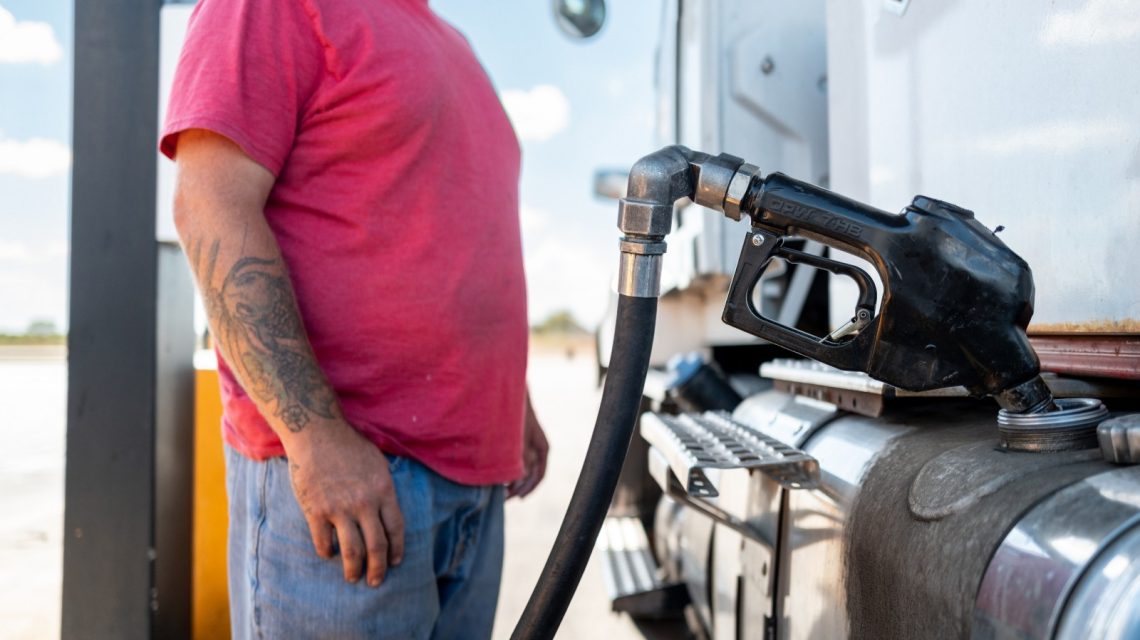
Claims of a nationwide trucker strike have circulated widely on social media, fueled by soaring diesel prices and the potential impact on freight deliveries. Despite the buzz, evidence of an organized strike is scant. Diesel costs have surged to a record $6.51 a gallon. Videos and AI-generated posters have suggested that frustrated truckers could take disruptive action, warning of possible food shortages. The Owner-Operator Independent Drivers Association (OOIDA) commented that the strike discussion appears limited to social media chatter, although they are keeping an eye on developments.
As financial pressures on truckers intensify, due to rising diesel prices, many are finding it difficult to keep operations running. OOIDA noted that fuel ranks among the top expenses for owner-operators, who own or lease their trucks and manage associated costs. They emphasized the unique challenges faced by small business truckers, who represent over 90% of trucking companies in America, highlighting their vulnerability to price hikes.
The discrepancy between truckers and large oil companies is starkly illustrated by the latter’s profit increases, which contrast sharply with the diminishing margins faced by independent trucking businesses.
Newsweek engaged with organizations, including the American Trucking Associations, Teamsters, and trucking industry experts, to gather insights. Rising diesel prices have reached unprecedented heights, averaging $6.51 a gallon, influenced by ongoing geopolitical tensions and energy disruptions.
The origin of the strike narrative traces back to an Instagram video by a user claiming truckers planned action to force price reductions. Despite the lack of organized strike proof, videos of truckers seeking intervention from President Trump have gained traction online.
Amid the upheaval, the More Perfect Union outlet shared trucker testimonies from Colorado, illustrating burdensome fill-up costs and potential operational suspension due to price spikes.
Reflecting on trucker strikes of the 1970s, it’s evident the trucking sector has evolved, complicating collective action efforts. Industry deregulation and decreased union representation have contributed to fragmentation, with independent contractors predominating.
Whether a strike occurs or not, the anguish among truckers over fuel expenses is palpable, with eyes on the horizon for relief.