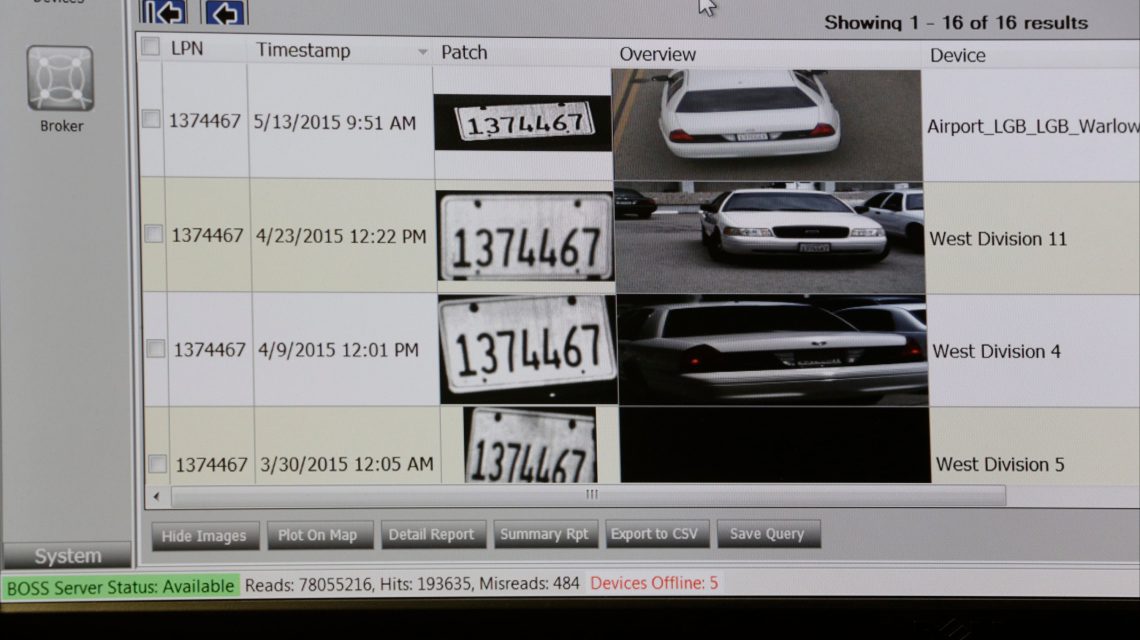
Automated license plate readers (ALPRs) like those produced by Flock have sparked debate nationwide. These devices focus on recording a vehicle’s license plate, make, model, and color. Flock claims its technology can capture images of vehicles moving at high speeds and detect alterations such as broken taillights.
Flock cameras categorize vehicles by residency and plate type. They record images as vehicles pass by, not tracking individuals or specific vehicles constantly. Genetec’s ALPR systems can estimate vehicle speed, adding another layer to the data collected. Motorola Solutions’ ALPRs can identify vehicle features like damage or bumper stickers.
DeFlock provides a crowdsourced map showing ALPR locations across the U.S., contributed to by volunteers. However, Nexstar has not confirmed these camera locations independently.
ALPR technology has been implemented for over two decades. Typically mounted on poles, streetlights, and overpasses, mobile units also exist. ALPRs scan license plates and compare them with database entries, aiding law enforcement by alerting them to suspect vehicles. Despite their utility, some states including Florida and Texas have ceased funding for ALPRs and removed cameras due to privacy concerns and misuse allegations.
Notwithstanding substantial criticisms, President Trump expressed support for ALPR technology, citing its usefulness to law enforcement. He acknowledged differing opinions on potential privacy infringements but maintains a favorable view of the technology.
 Controversy Surrounds President Trump’s Proposed D.C. Arch
  AOC and the 2028 Presidential Election: Gender, Race, and Politics
  Texas Senate Race: Democrat James Talarico’s Unexpected Lead
  Senators Urge Action to Free Imprisoned Journalist in Iran
  Tensions Rise as Democrats Break Ranks on Key House Votes
  Trump Highlights U.S. Strengths in U.N. Address